Last updated November 21, 2026
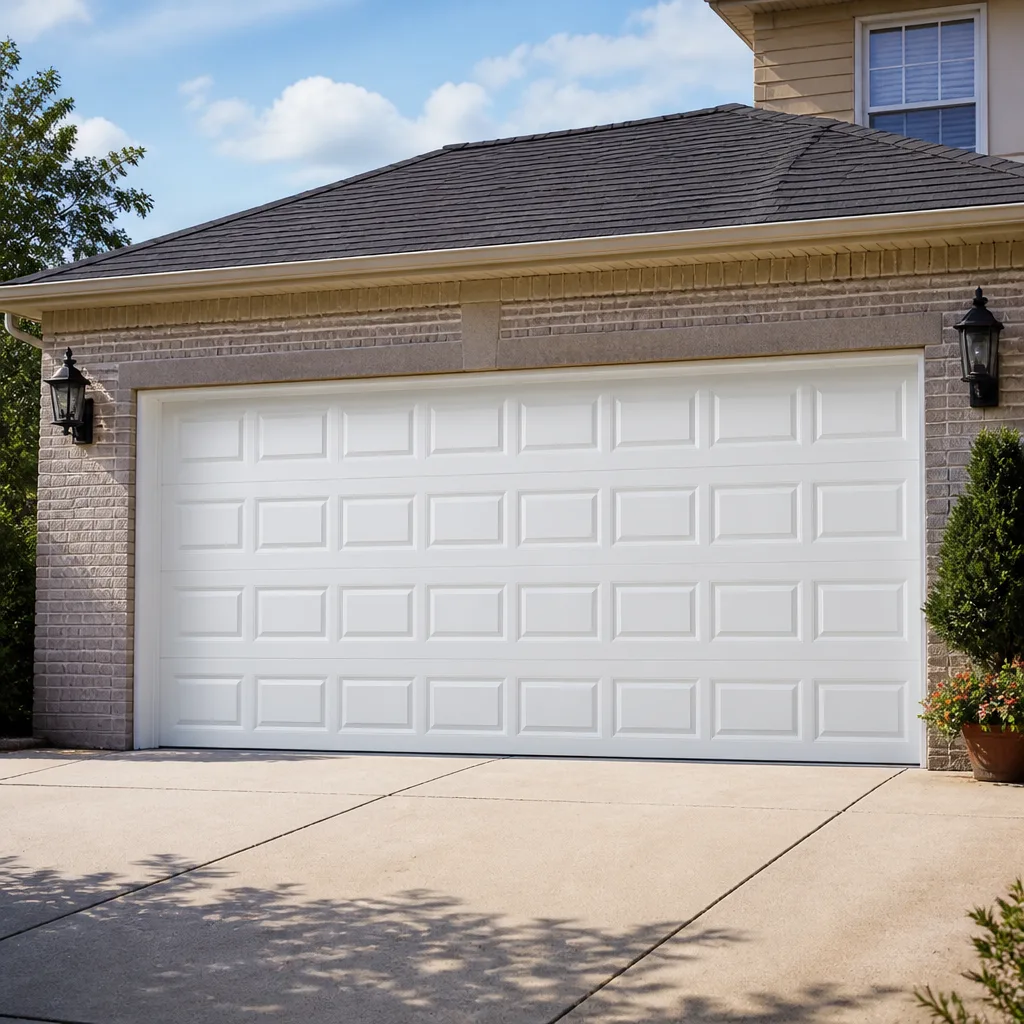 Raised-panel steel
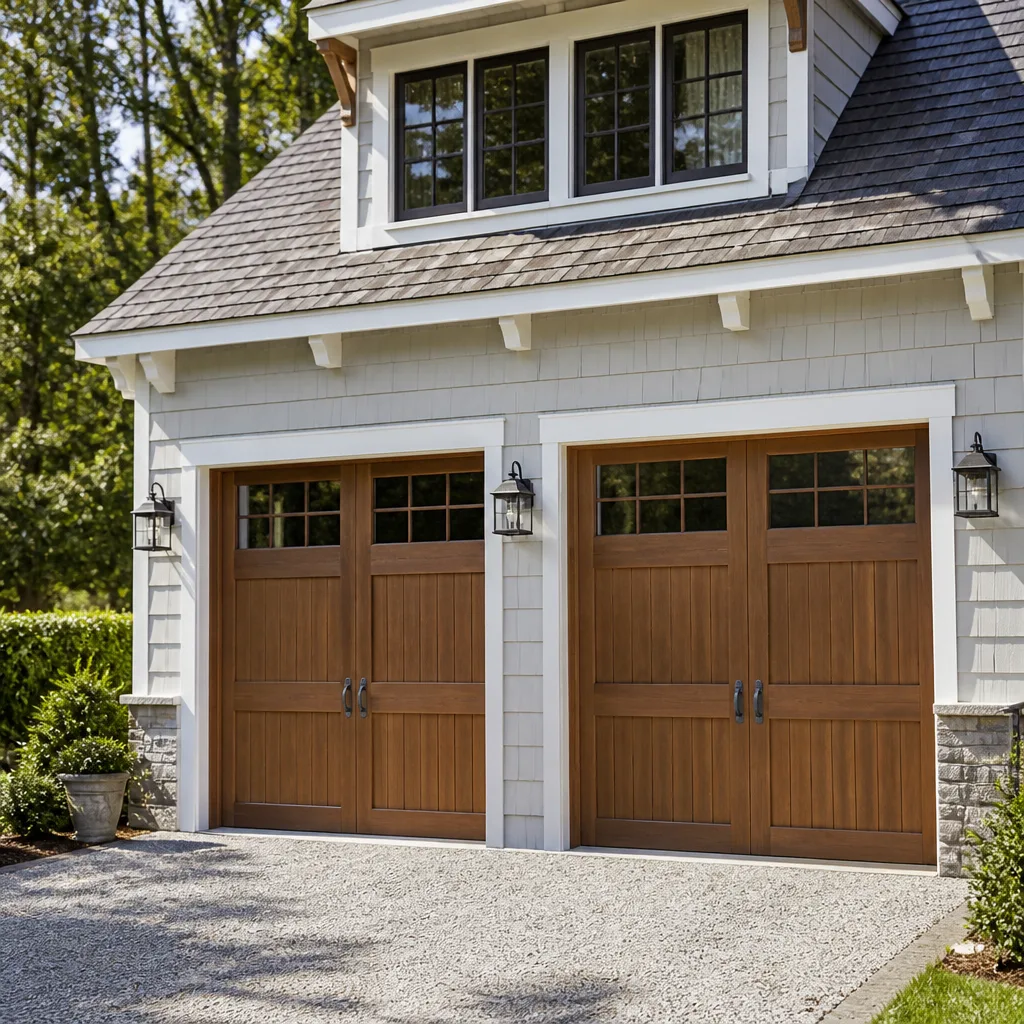 Carriage house
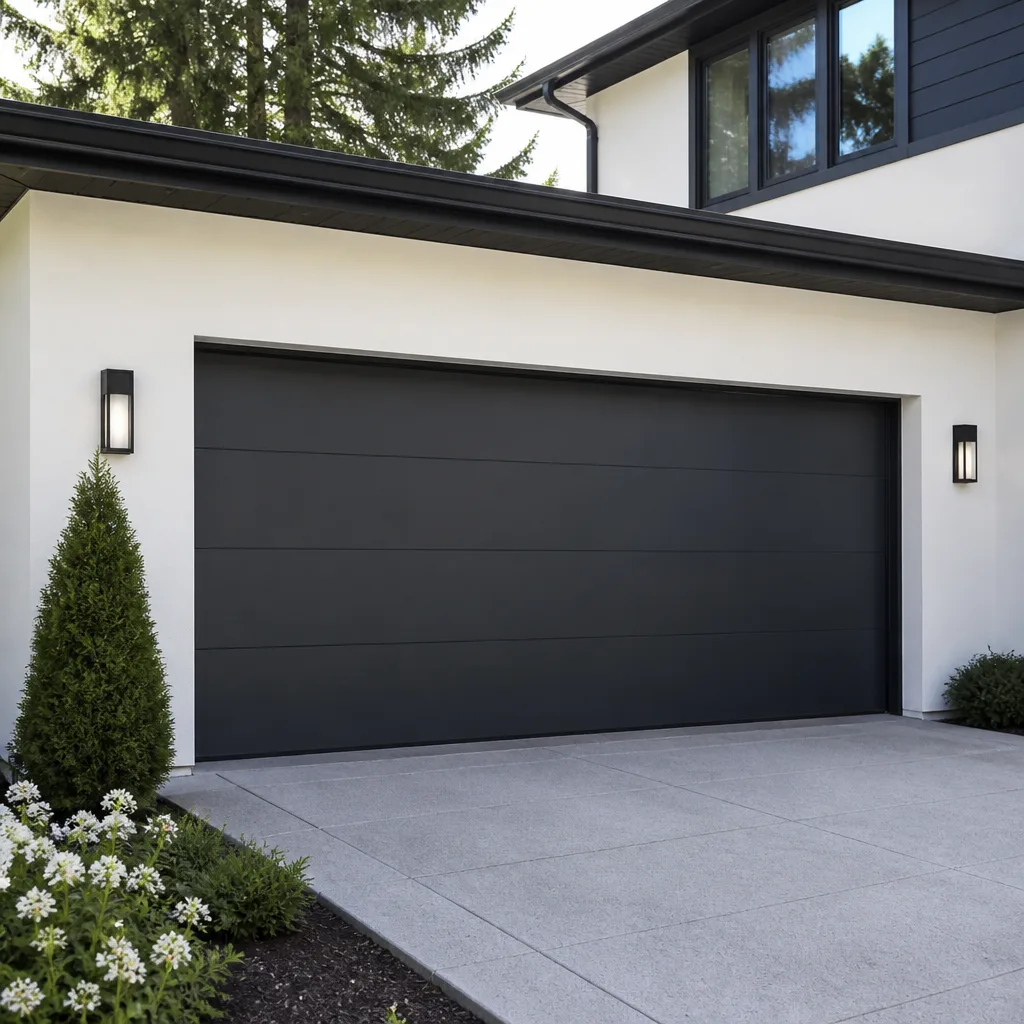 Modern flush
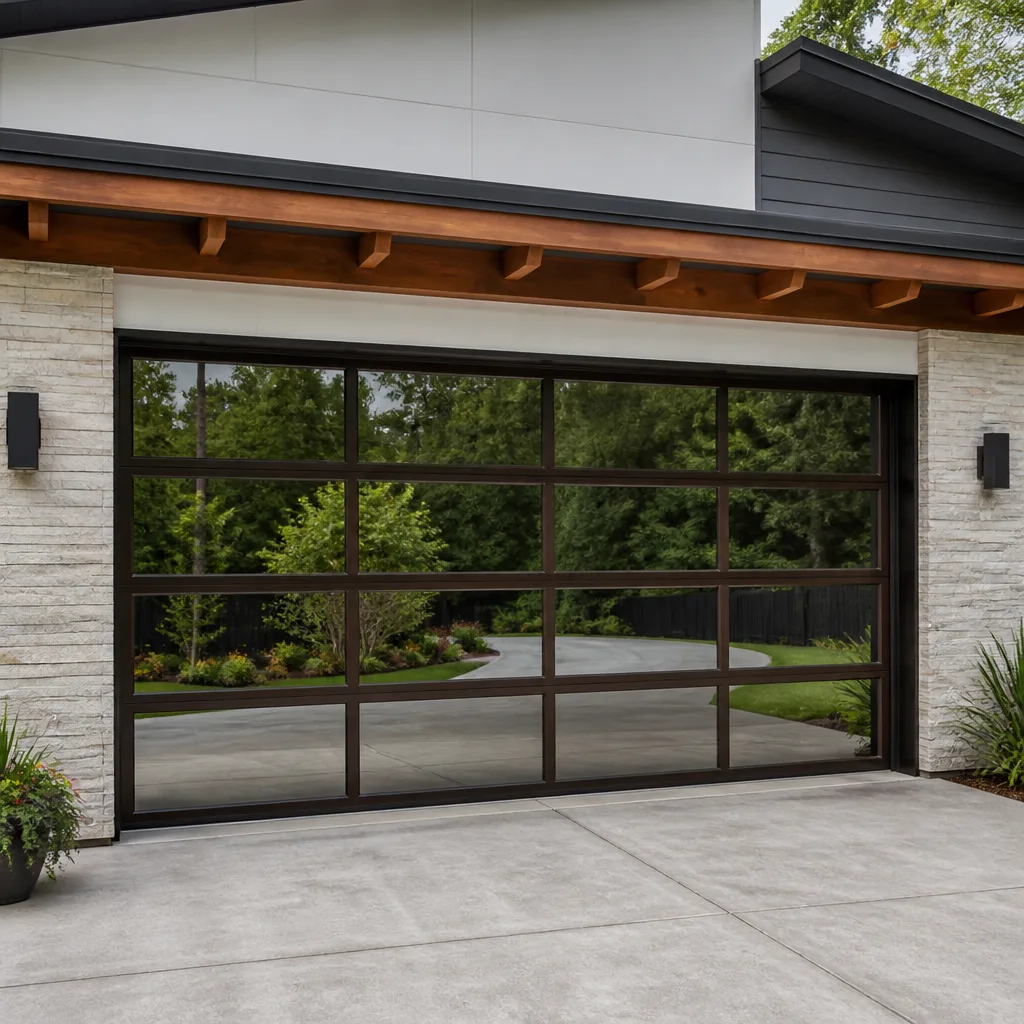 Full-view glass
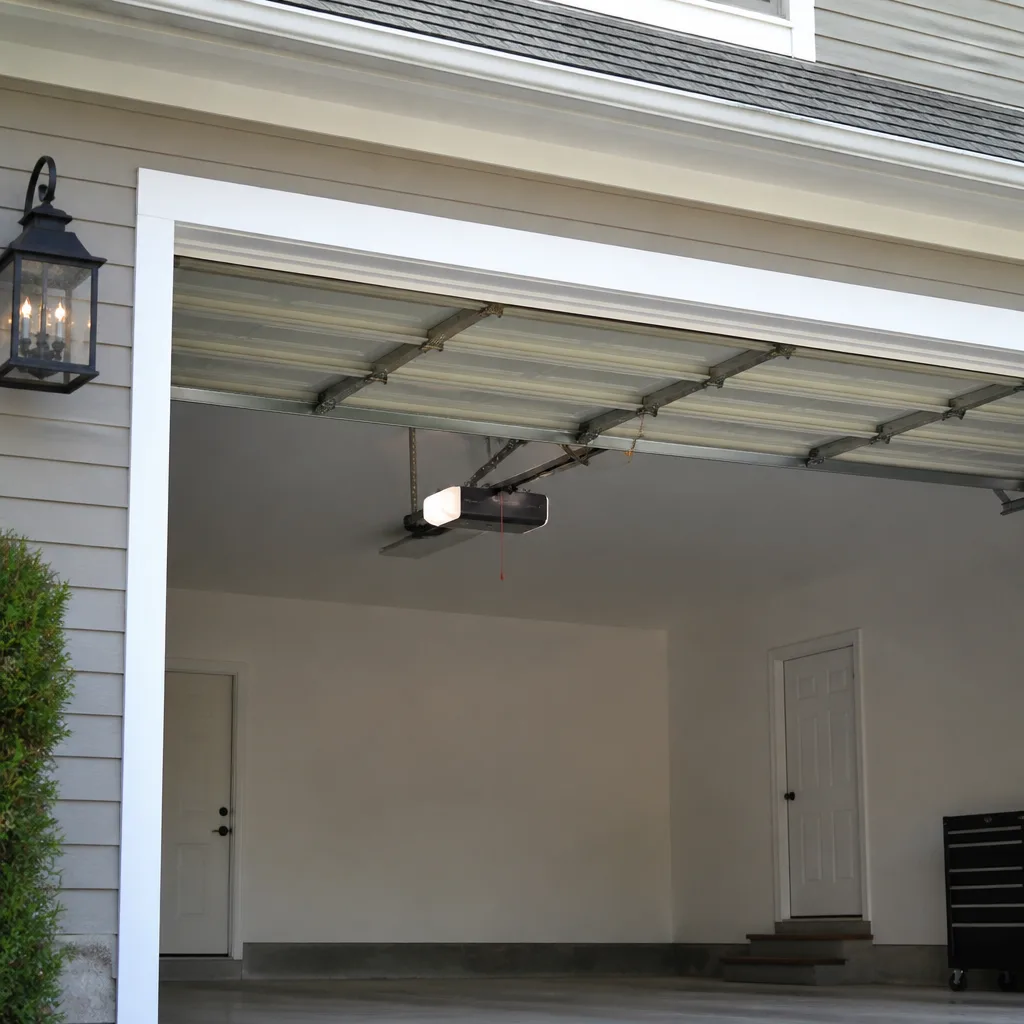 LiftMaster openers
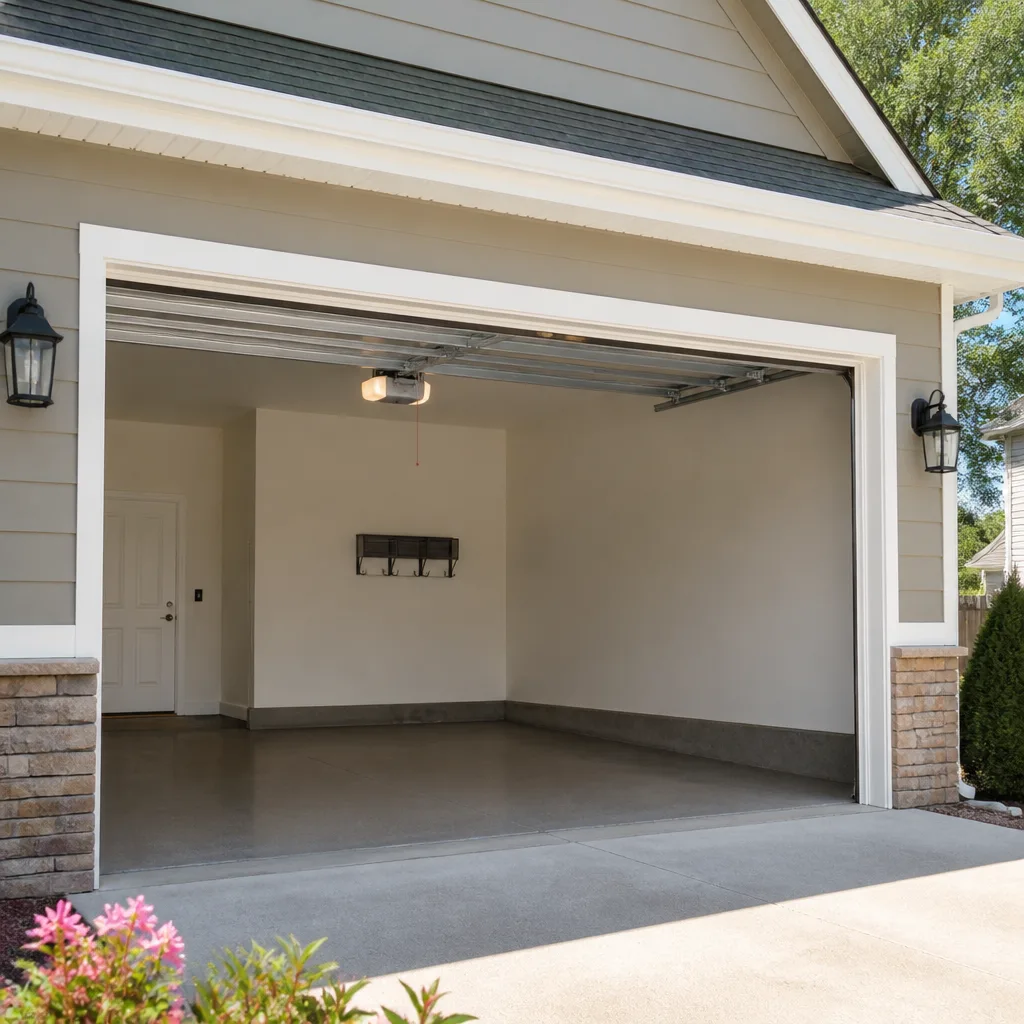 Chamberlain openers
Full 25-point door and opener safety check with every visit - springs, cables, rollers, tracks, and your LiftMaster or Chamberlain opener included
You get a price before we start. It does not change when the pro arrives.
Get your free estimateDIY vs Professional Garage Door: The Blaine Homeowner’s Decision Guide
Replacing a bottom seal is a reasonable project for a handy homeowner. Adjusting torsion spring tension is a different animal. The spring stores enough energy to do serious damage, and a wound spring doesn’t forgive mistakes the way a loose hinge does. That’s the line this guide draws: not between “skilled” and “unskilled,” but between tasks where the risk is manageable and tasks where the math simply doesn’t work in your favor. We’ll walk through every part of the garage door system, task by task, so you know exactly what you can handle on a Sunday afternoon in Blaine and what belongs in the hands of a trained technician.
Quick Answer
Most Blaine homeowners should DIY the low-risk tasks – bottom seals, visual inspections, lubrication, and remote or battery swaps – and call a professional for anything involving torsion springs, cables, track realignment, panel replacement, or opener electrical work. The dividing line isn’t skill; it’s injury risk and warranty consequences. A torsion spring is the single most dangerous component on the door, and manufacturer warranties on doors and openers routinely exclude damage caused by improper installation or repair.
Styles & brands we work with
- Raised-panel steel
- Carriage house
- Modern flush
- Full-view glass
- LiftMaster openers
- Chamberlain openers
Table of Contents
- The Task-by-Task Decision Matrix
- Where the Real Injury Risk Lives
- Warranty Fine Print That Changes the Math
- The Real Cost of DIY vs Professional
- The Minnesota Temperature Variable
- What to Tell a Contractor After a DIY Attempt
- Tools You’d Need to Buy (That Most Homeowners Don’t Own)
- Brand-Specific Considerations in Blaine
The Task-by-Task Decision Matrix
A garage door is a system, not a single appliance. The spring, cables, track, panels, hinges, rollers, seals, and opener each carry different risk profiles and different DIY feasibility. Here’s how we sort them.
Safe to DIY
- Bottom seal replacement – slides into a track on the bottom edge of the door. No stored energy involved.
- Visual inspection – checking cables for fraying, springs for visible gaps, and hinges for looseness. Looking is always safe.
- Lubrication – a few drops on rollers, hinges, and the torsion bar bearings. Use a garage-door-specific lubricant, not WD-40.
- Remote battery and keypad programming – covered in most opener manuals.
- Touch-up paint and cosmetic repair – on steel doors especially.
Do-Not-DIY
- Torsion spring replacement or adjustment – the wound spring stores enough rotational force to cause serious injury if it releases unexpectedly. Twenty thousand Americans visit the ER each year for garage door injuries. Many of those are homeowners who were perfectly handy but underestimated the physics.
- Cable replacement – cables are under the same tension as springs and can snap back with lethal force.
- Track realignment – a door that jumps track carries significant weight and can fall if the track is manipulated while under load.
- Opener electrical work – wiring into a household circuit requires an electrician’s care and often a permit.
Grey Area (Proceed with Caution)
- Roller replacement (safe if the door is fully closed and tension is released)
- Panel replacement on a multi-panel door (risk of pinching or dropping a panel)
- Spring or opener adjustments where the manual specifically walks you through them
Where the Real Injury Risk Lives
If there’s one section of this guide to read twice, it’s this one. The injury pattern on garage doors is not random. It concentrates in two components: torsion springs and cables.
Why Torsion Springs Are the Danger Zone
A standard residential torsion spring holds hundreds of pounds of rotational tension when the door is down. When it’s wound, the spring is doing the work of lifting a door that weighs well over a hundred pounds. The energy required to lift that door is stored in the spring. When you attempt to wind or unwind it, that energy is either released slowly under your winding bars while you’re standing directly in front of it, or it isn’t.
Industry estimates put roughly 20,000 garage door-related ER visits in the US each year, and the majority are tied to spring or cable work. That’s not because the people doing it were reckless. It’s because the physics does not permit a second chance.
We have up to 14 years of technician experience on our team, and one thing we don’t do is hand a homeowner a pair of winding bars and wish them luck. This is a job for a professional with the right tools, the right training, and the right respect for the component.
Why Cables Are Nearly as Dangerous
Cables hold the entire load of the door on one side. A cable that releases under tension can whip through the air faster than you can react. Cable work is never a DIY task, even if the cable just looks loose.
Warranty Fine Print That Changes the Math
Most homeowners read the warranty card when they buy a new door or opener, then file it away and forget it. Here’s what’s usually buried in it: improper installation or unqualified repairs typically void the manufacturer’s warranty on the affected components.
What Usually Voids Coverage
- Non-qualified installation of springs – nearly every door manufacturer specifies that torsion springs must be installed by a trained technician.
- Opener modifications – changing the drive gear, belt, or travel limits on a LiftMaster or Chamberlain opener in ways that differ from the manufacturer’s specification can void the opener warranty.
- Door panel modifications – swapping panels, adding aftermarket hardware, or mounting anything to a Clopay or Amarr door face can void the finish warranty.
- Electrical work without a licensed electrician – if a hardwired opener is connected improperly and causes electrical damage, most warranties don’t cover it.
Why This Matters Even for Small DIY Jobs
A homeowner who replaces a bottom seal on a Clopay door is unlikely to void the warranty. A homeowner who replaces a bottom seal then finds that the new seal puts different tension on the door and requires a spring adjustment, and then attempts that adjustment, is at a different risk level entirely. The warranty is one thing. It’s the injury risk that concerns us more.
The Real Cost of DIY vs Professional
Comparing DIY and professional costs on garage door work means accounting for three things the typical “DIY is cheaper” argument skips: labor time, tool purchases, and the cost of getting it wrong the first time.
Where the Cost Comparison Breaks Down
- Labor time – a bottom seal replacement is 30 minutes of labor. A spring replacement done by a first-timer, with tools they’ve never used, is 3-5 hours if it goes well and doesn’t happen if it goes wrong.
- Tools – torsion spring work requires specific winding bars, a properly sized winding bar set, and often a spring-retention tool. Homeowners typically don’t own these and shouldn’t buy them for a one-time job.
- Redoing it – if the first attempt at a repair goes wrong, you’re paying for parts twice plus the professional service. That’s not a savings scenario.
- Lost time – if the door is out of commission while you’re reading YouTube tutorials, you’re parking outside and leaving the house unsecured. That daily inconvenience has real cost.
Where DIY Actually Wins
Seals, lubrication, cosmetic repairs, remote batteries, and visual inspections. These are genuinely better done by a homeowner who has the tools and the time. We don’t object to a homeowner keeping up with their door between service calls. We object to a homeowner standing in front of a wound spring without knowing what they’re up against.
The Minnesota Temperature Variable
Blaine sits in a climate with a wide temperature swing, and garage door hardware feels every degree of it. A door installed in spring relaxes in summer heat and tightens in winter cold. Freeze-thaw cycles expand and contract the steel door panels, the aluminum track, and the spring itself. Over time, the door’s balance point shifts.
What DIY Installs Get Wrong in This Climate
- Torque calibration skipped – a door that feels balanced in July will feel heavy in January. Torque calibration at the time of install, plus a follow-up adjustment after the first winter, is what keeps the door operating smoothly through a Minnesota season.
- Seals installed without cold tolerance – a bottom seal rated for milder climates will stiffen up and stop sealing properly in a Minnesota January. Seal choice matters here more than in warmer states.
- Opener force settings left at factory default – in cold weather, a door that operated fine in summer may need force adjustment. Factory settings don’t account for a frozen seal, and the opener will either stall or strain.
- Spring spec mismatch – a spring spec that works in a mild climate may cycle short in a cold one. Spring rated cycles and temperature range should match the door’s intended environment.
What This Means for a Blaine Homeowner
A DIY install that “works” in a warm summer month can start failing the first winter. If you install a door yourself in Blaine, plan to call a pro for a fall or early-winter tune-up. That’s a small cost that saves an emergency call in January, when a door that won’t close in subzero windchill has bigger consequences than a door that won’t close in June.
What to Tell a Contractor After a DIY Attempt
We’ve seen every variation of a partial DIY repair. Some were solid work that just needed a final adjustment. Some were the reason the door is now a bigger job than it was before. Either way, telling the technician what happened before they arrive helps them come prepared with the right parts and the right expectations.
What to Say Before the Visit
- What you attempted – “I replaced the bottom seal and now the door won’t close all the way” is more useful than “the door is broken.”
- What you observed during the attempt – a spring that suddenly popped, a cable that loosened, a track that shifted. Any of these is diagnostic information.
- What tools you used – if you used a standard wrench on a spring system, the pro needs to know to gauge what might have been stressed.
- Whether anything moved that shouldn’t have – hinges, bolts, track brackets. Especially important if you used a spring-related tool on a non-spring component and accidentally loosened something.
- Whether the manufacturer’s manual was followed – for a Raynor, LiftMaster, or Genie system, the manual often includes a specification sheet the technician will want to compare against.
Why This Saves You Money
A clear history shortens the diagnostic time. It also reduces the risk of a technician missing something you did that isn’t visible on inspection. That’s good for your wallet and good for the door.
Tools You’d Need to Buy (That Most Homeowners Don’t Own)
The cost of buying tools is the line item that most DIY cost comparisons leave out. Here’s what a full system repair would require – most of which is not standard in a homeowner’s toolbox.
- Winding bars – two matched rods that fit the torsion spring winding cone. Buying them for a single job usually costs more than the labor.
- Spring-retention tool – for safely handling springs under tension.
- Properly sized sockets and a long-handle ratchet – a full-size door has heavy hardware that a standard homeowner tool set won’t move.
- A ladder rated for the door height – a 7-foot door requires a 6-foot step ladder that most homeowners don’t have.
- A C-clamp or locking pliers – for securing the door in place during inspection. A door that moves when the technician assumed it wouldn’t is a hazard.
Each of these is optional for seals, lubrication, and remotes. Each is mandatory for spring, cable, and track work. That alone should tell you where the DIY line sits.
Brand-Specific Considerations in Blaine
Most Blaine homes are running one of a handful of door and opener brands, and the brand matters when you’re deciding whether a DIY repair is safe.
Raynor and Clopay Doors
Raynor and Clopay doors are common in the Blaine area. Both brands have detailed suspension and spring specification sheets in their installation manuals. If you’re considering a DIY repair on either, read the manual closely – the spec ranges for those doors are the number you’d need to match, and getting it wrong creates a door that either doesn’t stay up or won’t come down.
LiftMaster, Chamberlain, and Genie Openers
These three opener brands account for a large share of the Blaine market. Their remotes, keypads, and battery swaps are safe to DIY. Their internal mechanicals – travel limits, force settings, and drive gear replacement – are best left to a technician. Some models require a specific learning procedure for new remotes that’s easy to get wrong on the first try. That’s not a safety issue; it’s a “call us instead of reinstalling three times” issue.
Amarr, Wayne Dalton, Craftsman, and Raynor
These are all brands we service regularly in Blaine, and each has its own spec sheet for spring sizing and door weight. When a contractor arrives to fix something you attempted, knowing the brand helps them source parts correctly on the first visit instead of the second.
Common Mistakes to Avoid
- Standing in front of a wound spring during adjustment. The spring doesn’t warn you before it releases. Stand off to the side and use the correct winding bars, or better, don’t be the one winding it at all.
- Using WD-40 as a lubricant. It’s a solvent, not a long-term lubricant, and it leaves garage door hinges and rollers dry and squeaky quickly. Use an actual door-specific grease or a silicone lubricant.
- Replacing a bottom seal without checking door balance afterward. A new seal can be slightly thicker than the old one, changing resistance at the bottom of the door. In a Blaine freeze, that can mean the door won’t close or the opener stalls.
- Assuming the door is fine because it “opens every time.” Springs weaken gradually. A door that opens every time can be one cycle away from failure. Visual inspections twice a year catch this before it becomes an emergency.
- Attempting an opener’s hardwired electrical work without a permit. Blaine, like most cities, requires a permit for new electrical circuit work, and the building department is the source of truth for what’s needed. That’s not a step to skip.
- Lifting a door panel to check a cable without locking the door in place. A door that has lost balance can drop suddenly. A C-clamp or locking pliers on the vertical track is a cheap insurance policy.
- Buying a generic replacement remote for a LiftMaster or Chamberlain opener without checking the frequency and compatibility sheet. Many garage door openers require a specific learn button sequence. A mismatched remote wastes a purchase and a Sunday afternoon.
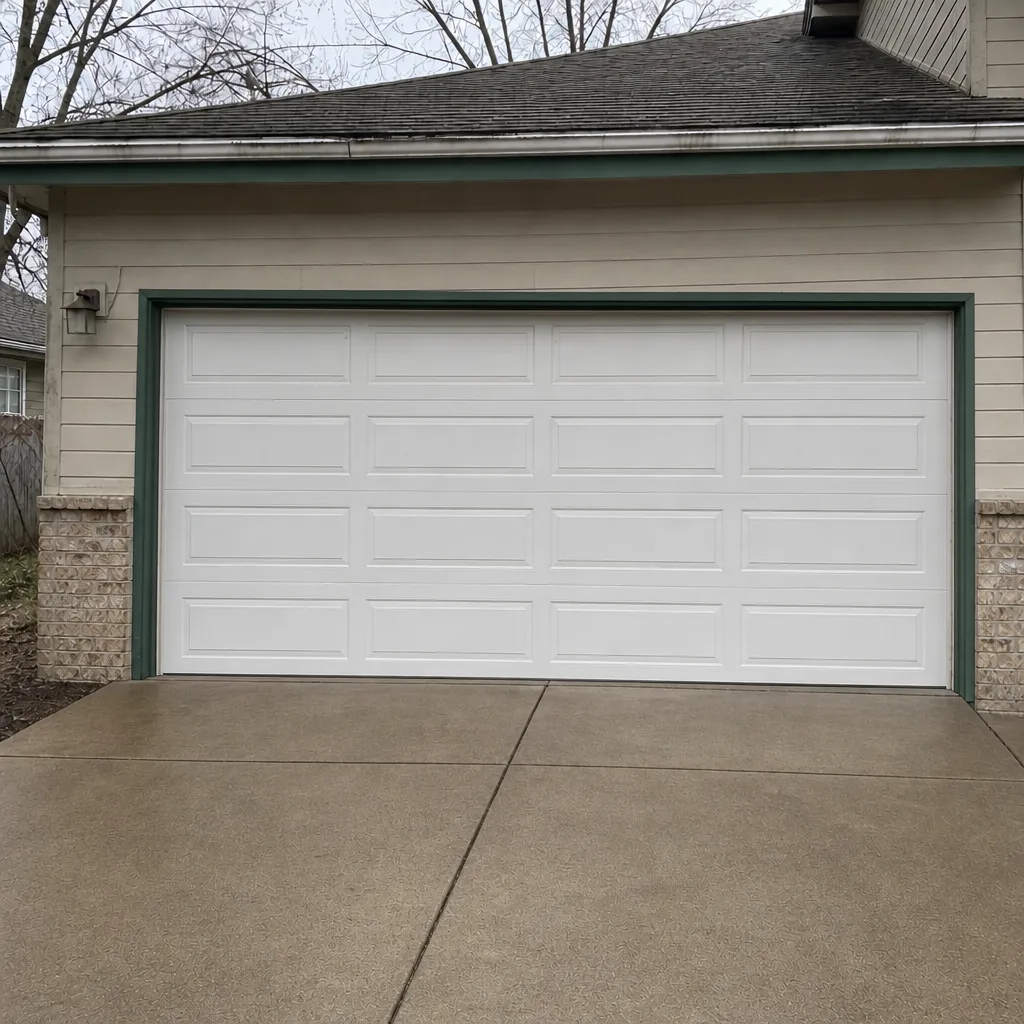
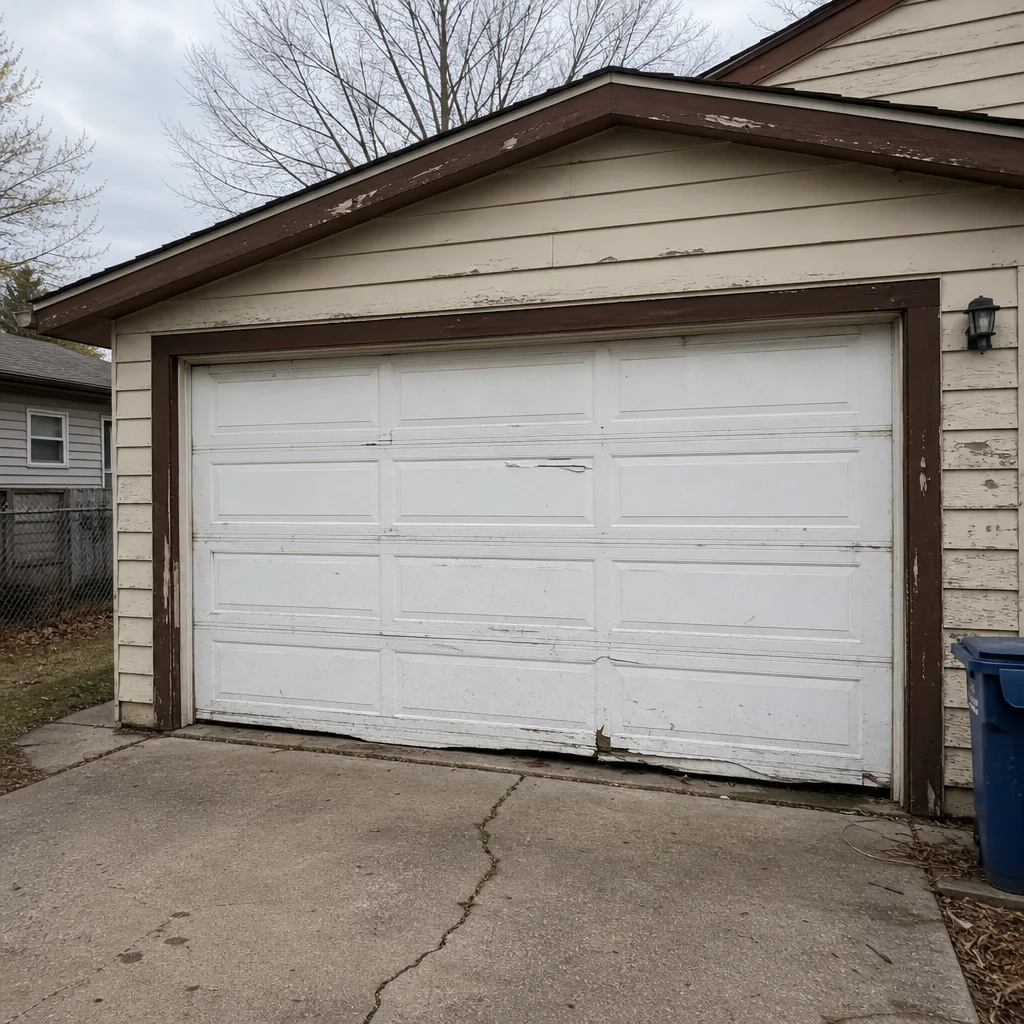
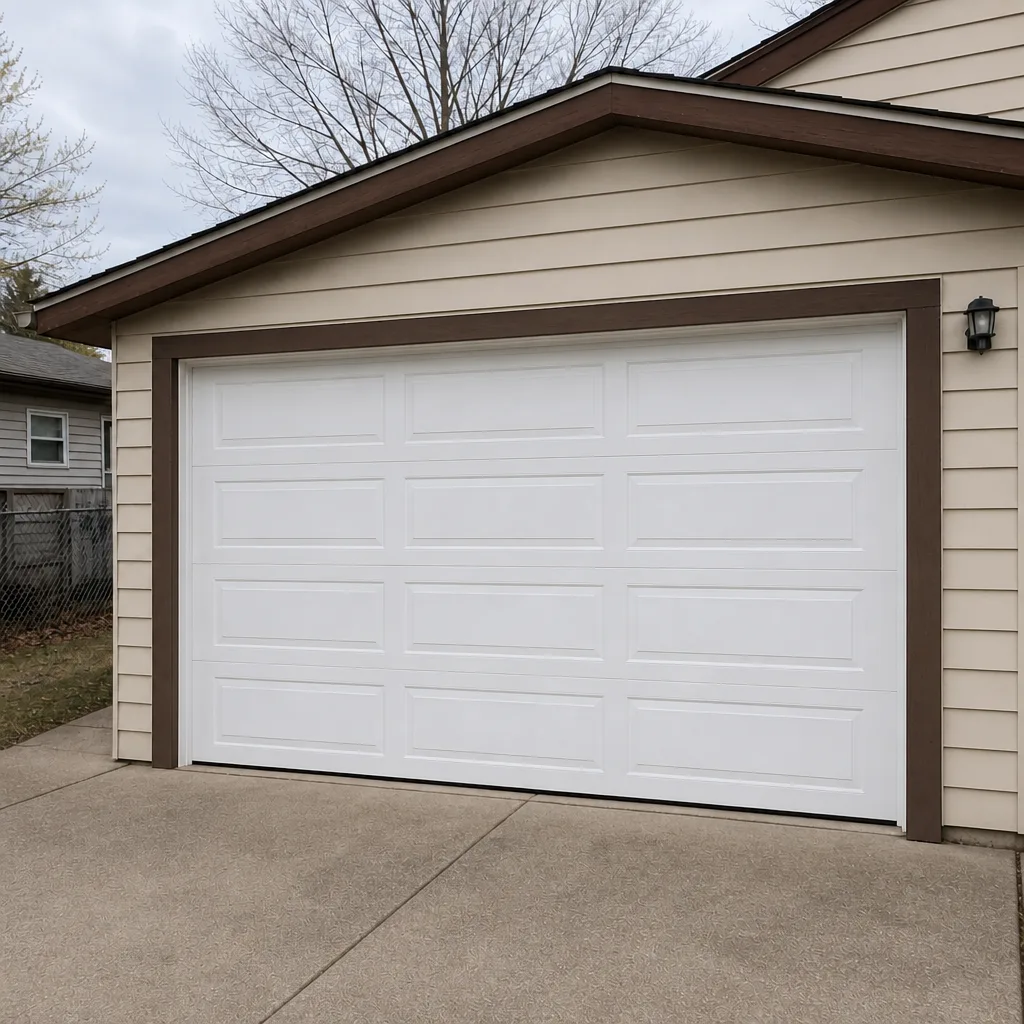
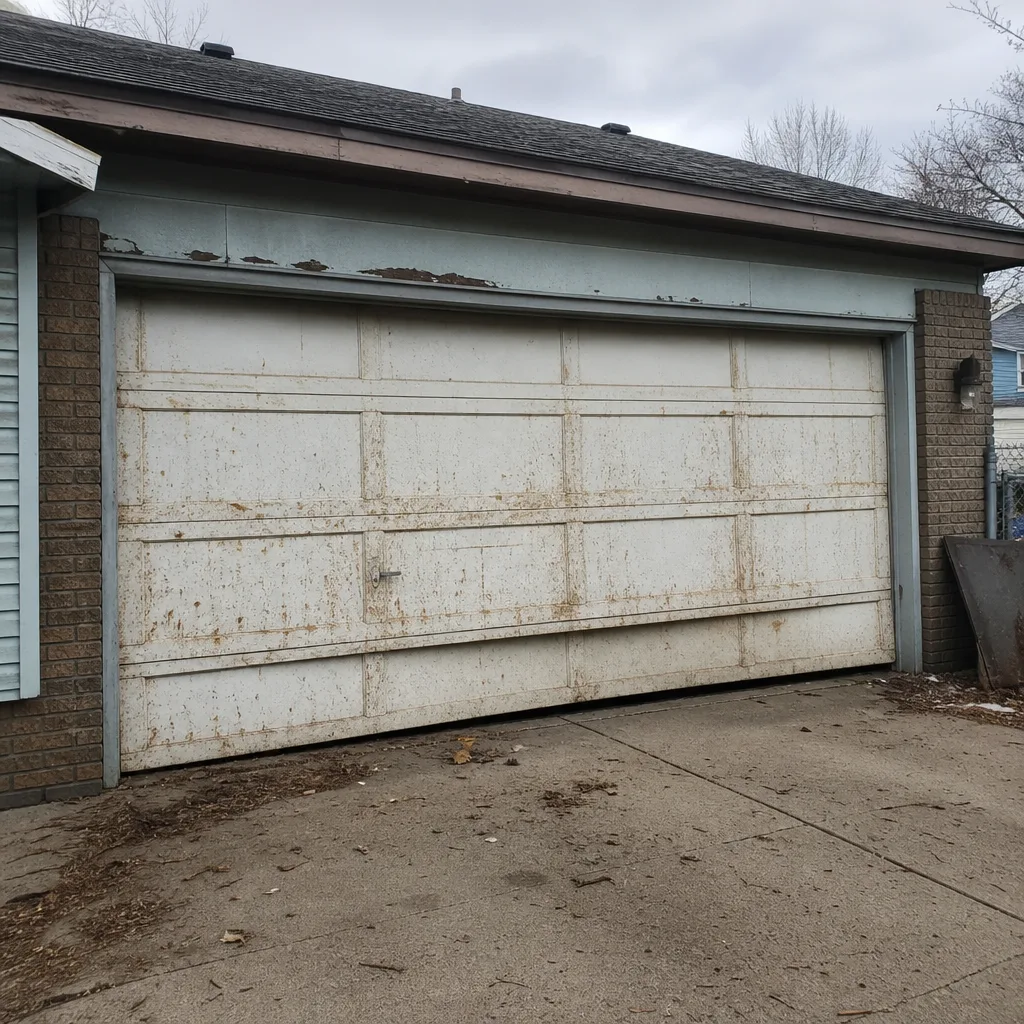
See the difference
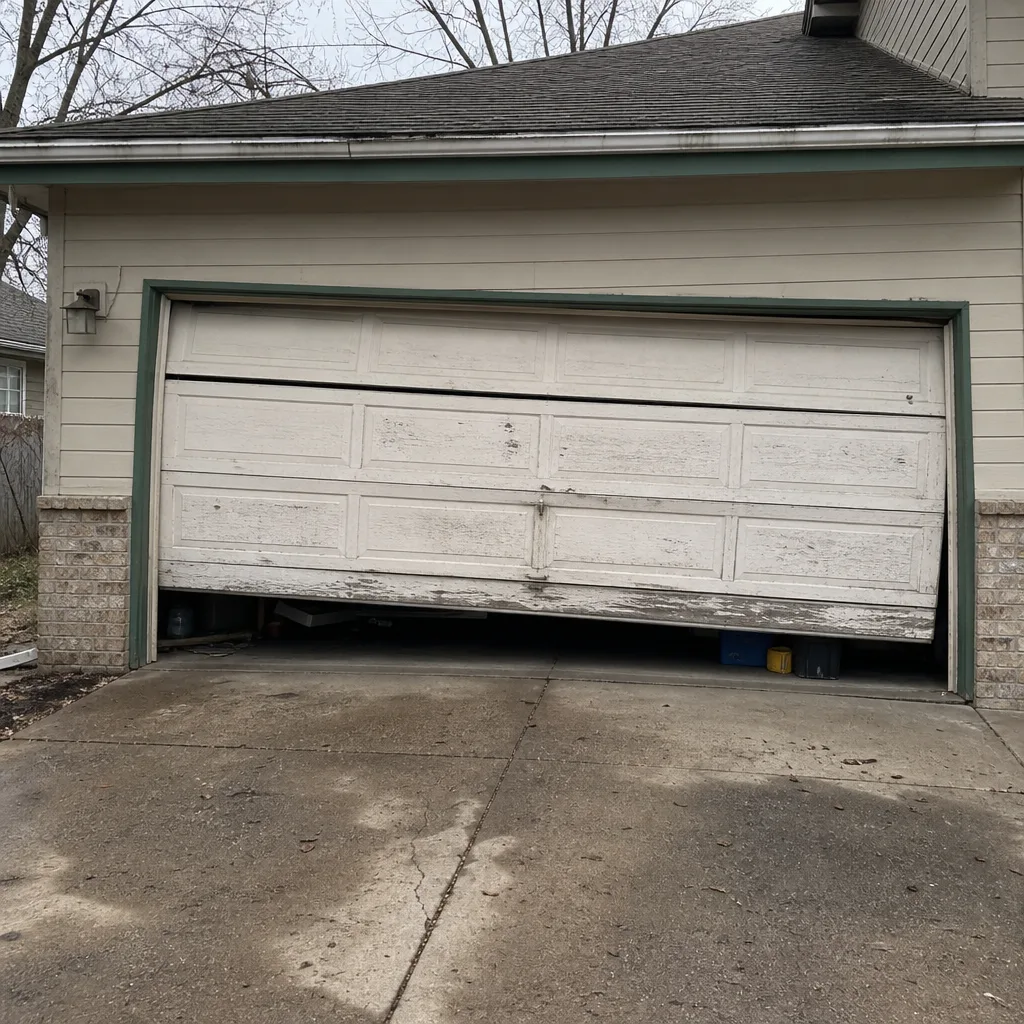 Before
 After
 Before
 After
 Before
 After
When to Call a Professional
Call a professional for anything involving torsion springs, cables, track realignment, panel replacement, or opener electrical work. Call when your door jumps track, closes unevenly, won’t open at all, or opens only partially. Call if a spring has visibly broken, if a cable is frayed, or if the door has started to sag on one side. Call if you’ve already attempted a repair and the door is now worse, worse in a new way, or not returning to the same position it started in. And call if the brand on your door or opener isn’t one you can confidently source parts for on your own.
If you’re on the fence, Blaine Garage Door Repair Co offers free estimates in Blaine – call (855) 547-9108. We work on LiftMaster, Chamberlain, Genie, Clopay, Amarr, Wayne Dalton, Craftsman, and Raynor equipment, and our technicians have up to 14 years of experience. We’re open Sunday through Friday, 7am to 7pm, and closed Saturday.
Frequently Asked Questions
You should not replace your own torsion spring. A wound torsion spring holds enough stored energy to cause serious injury even to a careful, experienced homeowner, and the ER data on garage door spring injuries reflects exactly this pattern. It’s also the component most door manufacturers specify must be installed by a trained technician, which means a DIY spring replacement can void your warranty. Call (855) 547-9108 for a free estimate on spring replacement in Blaine – our team handles this work routinely.
Bottom seal replacement, visual inspection, lubrication, remote battery replacement, and touch-up paint are all safe to DIY. These don’t involve the spring, the cable, or the track, and none of them carry injury risk if you follow the manufacturer’s instructions. For anything that involves stored energy in the door, call a professional.
Spring replacement pricing depends on the door’s weight, the spring type, and whether one or both springs are replaced. We price spring work per job with a written estimate before any work starts, so you’ll know the full figure in advance. Call (855) 547-9108 for an exact quote – estimates are free.
We offer emergency garage door service for doors that are stuck, off-track, or won’t secure, and we’re open Sunday through Friday, 7am to 7pm. Call (855) 547-9108 and we’ll tell you the soonest we can be there. If your door fails outside those hours, we’ll book you for the next available time.
Most cities, including Blaine, require a permit for certain electrical work associated with a new garage door opener, and the city’s building department is the source of truth for any specific installation. Call the city before you start an opener install, and ask your contractor about permits when you request an estimate.
The local professionals we connect you with are licensed and insured as their state requires. We work with vetted local technicians who handle springs, openers, panel repair, and full installations. Call (855) 547-9108 to discuss your specific job.
No – the written estimate is the price. We inspect the door, quote the job in writing, and confirm the price before any work starts. If we find something during the job that wasn’t visible during the estimate, we’ll talk to you about it before doing any additional work. Call (855) 547-9108 for a free estimate.
We’re closed Saturday and open Sunday through Friday, 7am to 7pm. If your door fails on a Saturday, call (855) 547-9108 and we’ll book you for Sunday. You can also read our guide on garage door repair for what to do in the meantime to secure the door.
The Bottom Line
The DIY-versus-professional decision on a garage door is less about your skill level than about the specific risks in each task. Seals, lubrication, remotes, and visual inspections are yours to handle. Torsion springs, cables, track realignment, panel replacement, and opener electrical work belong in a professional’s hands – not because you can’t, but because the injury math and the warranty math both point the same way. In Blaine’s freeze-thaw climate, the stakes go up: a DIY install or repair that ignores torque calibration tends to fail faster than one done right. And if you’ve already tried a repair, tell the technician what happened before they arrive – it saves time and money on both sides. For springs, openers, panels, or full doors, Blaine Garage Door Repair Co, garage door spring repair, and garage door opener repair services cover the full system.
Need a second opinion on a repair, or ready to schedule service in Blaine? Call Blaine Garage Door Repair Co at (855) 547-9108 for a free estimate. We work on LiftMaster, Chamberlain, Genie, Clopay, Amarr, Wayne Dalton, Craftsman, and Raynor equipment, we’re open Sunday through Friday, 7am to 7pm, and we’ll give you a written estimate before any work starts.
Written by the team at Blaine Garage Door Repair Co.