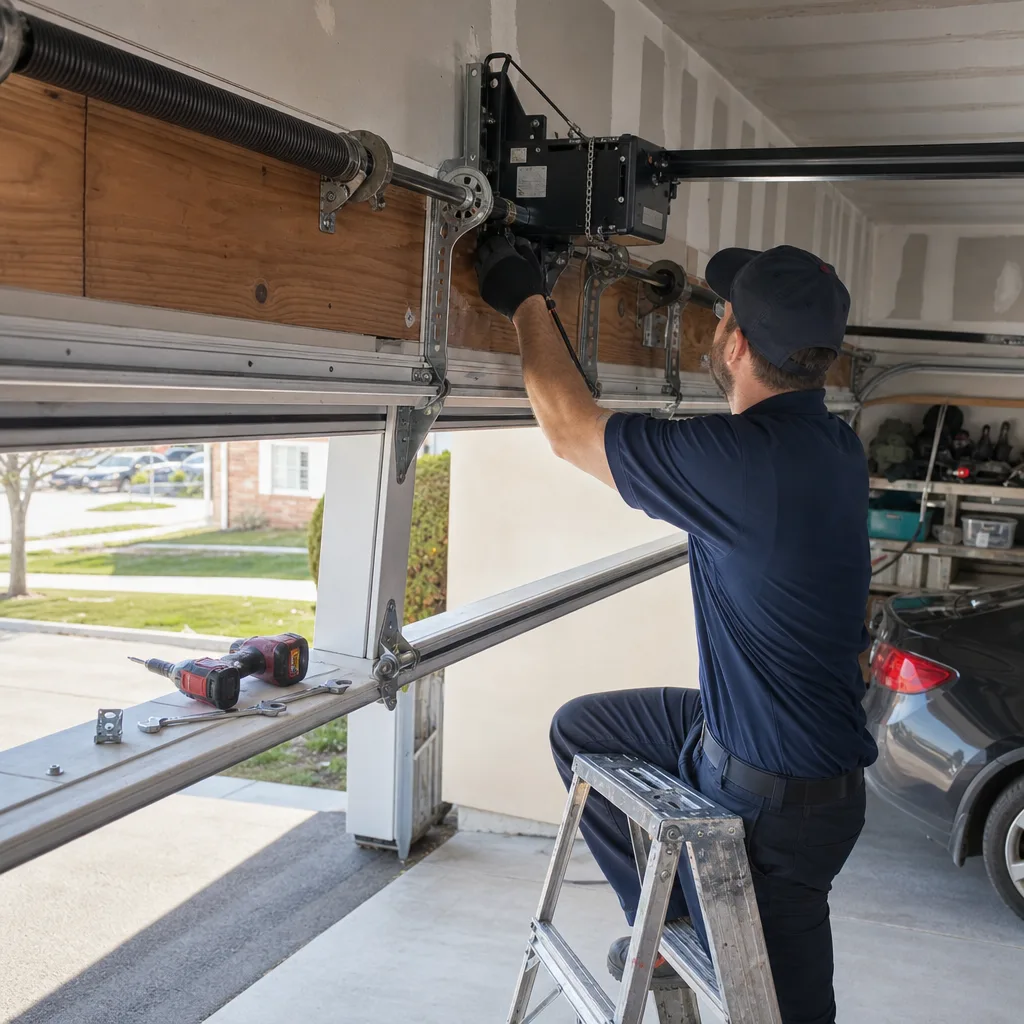
Last updated November 21, 2026
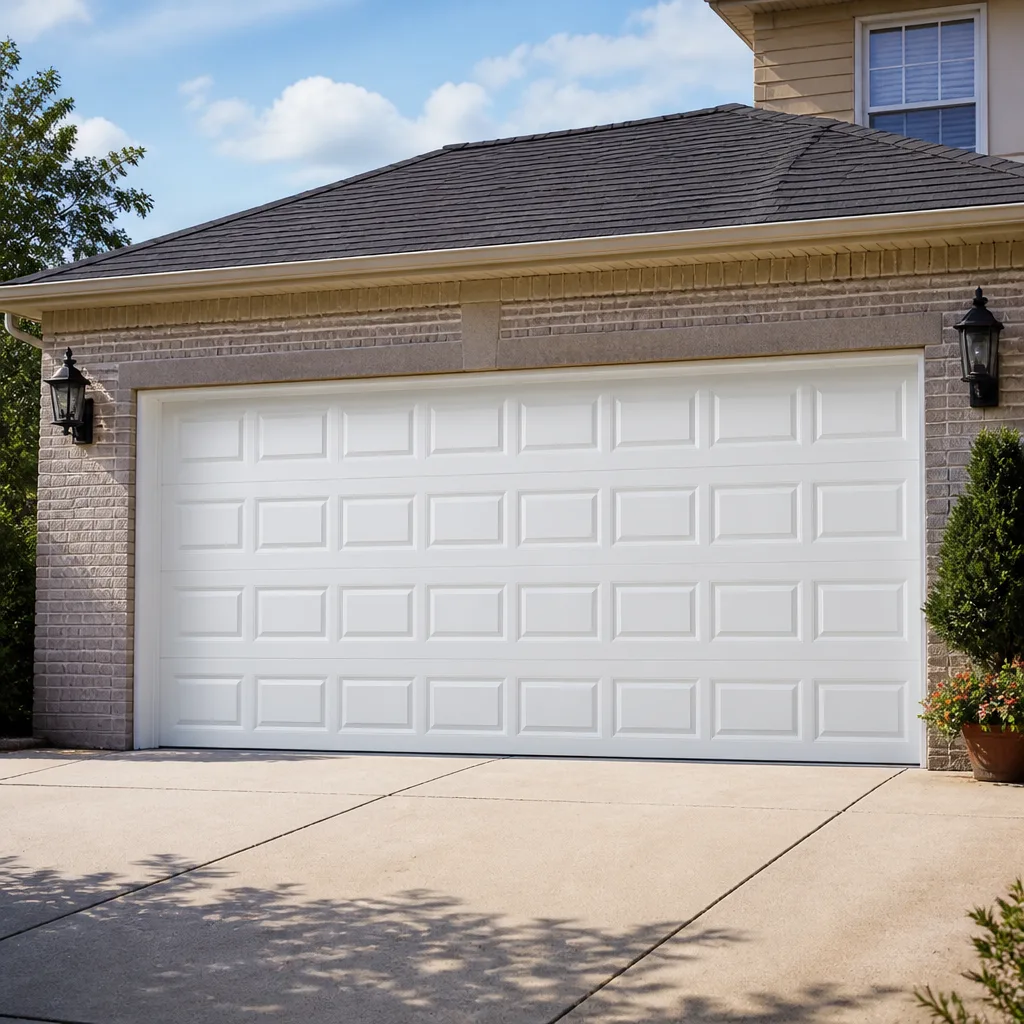 Raised-panel steel
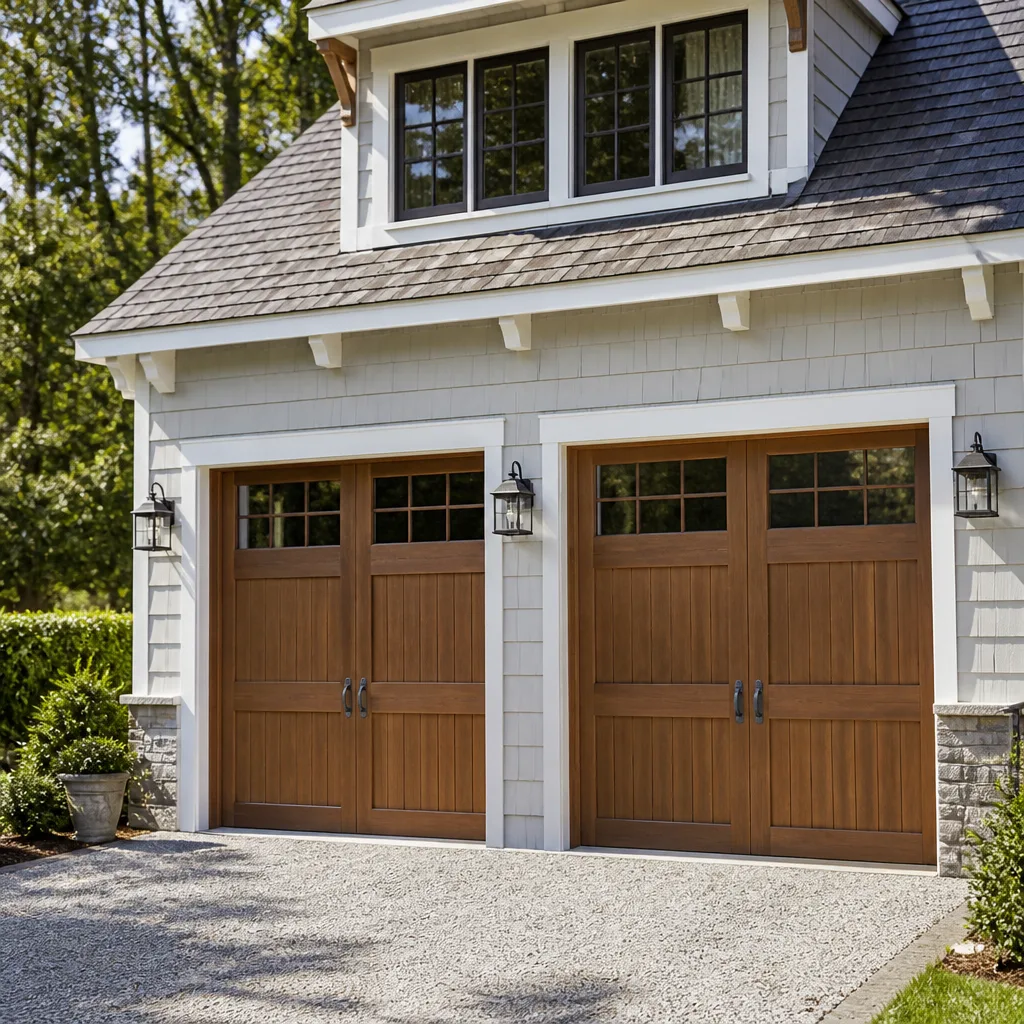 Carriage house
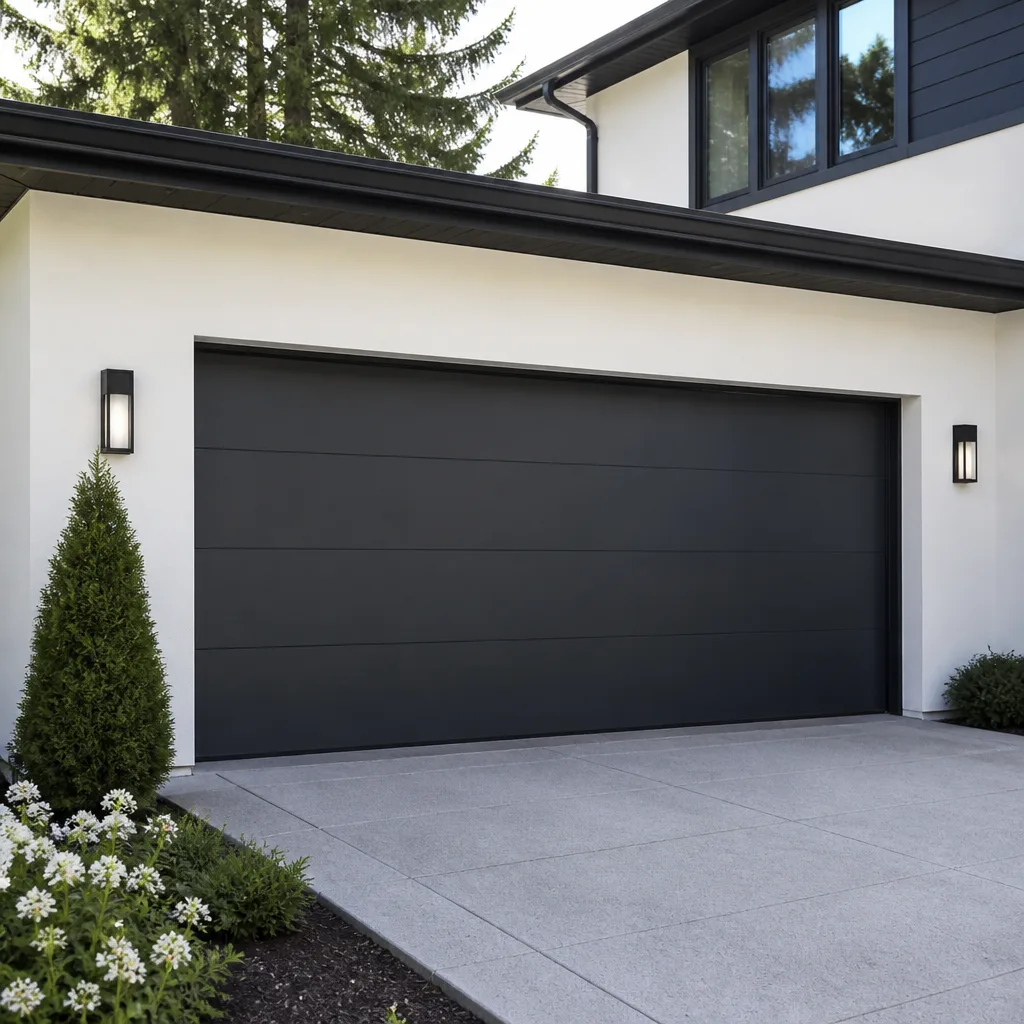 Modern flush
 Full-view glass
 LiftMaster openers
 Chamberlain openers
Full 25-point door and opener safety check with every visit - springs, cables, rollers, tracks, and your LiftMaster or Chamberlain opener included
You get a price before we start. It does not change when the pro arrives.
Get your free estimateGarage Door Repair Maintenance Checklist for Blaine Homeowners
The most common emergency call we get in January isn’t a broken spring. It’s a frozen bottom seal that someone ignored in October. A five-minute fall check would have prevented it, and the repair would have cost a fraction of what the emergency visit does once the door is stuck open in a snow bank. That’s the thing about garage door maintenance here: the failures that hurt most in Blaine aren’t the dramatic ones. They’re the small ones nobody noticed in the shoulder season. This guide walks through a task-by-task checklist organized by season, calibrated to what actually fails in Blaine’s climate, and written so a homeowner with no tools can apply it. You won’t become a technician. You’ll just catch problems while they’re still cheap.
Quick Answer
A good garage door maintenance checklist for a Blaine home has four seasonal passes: a fall check focused on seals and rollers before the first freeze, a winter look at snow and ice buildup around the bottom seal, a spring pass for lubrication and hardware tightening after the thaw, and a summer inspection of the opener, tracks, and weatherstripping before the hot stretch. Between the seasonal passes, one balance test and one visual spring check a month catch most developing problems early.
Styles & brands we work with
- Raised-panel steel
- Carriage house
- Modern flush
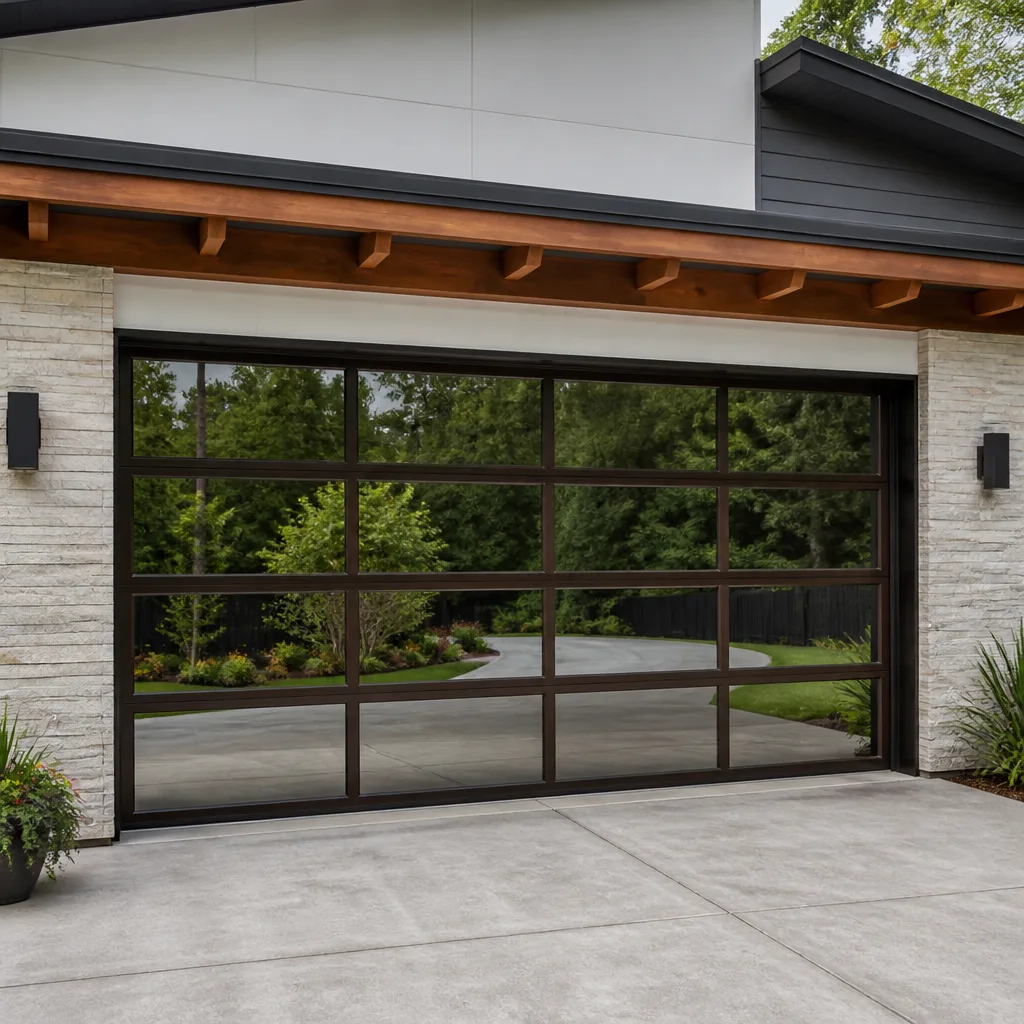
- Full-view glass
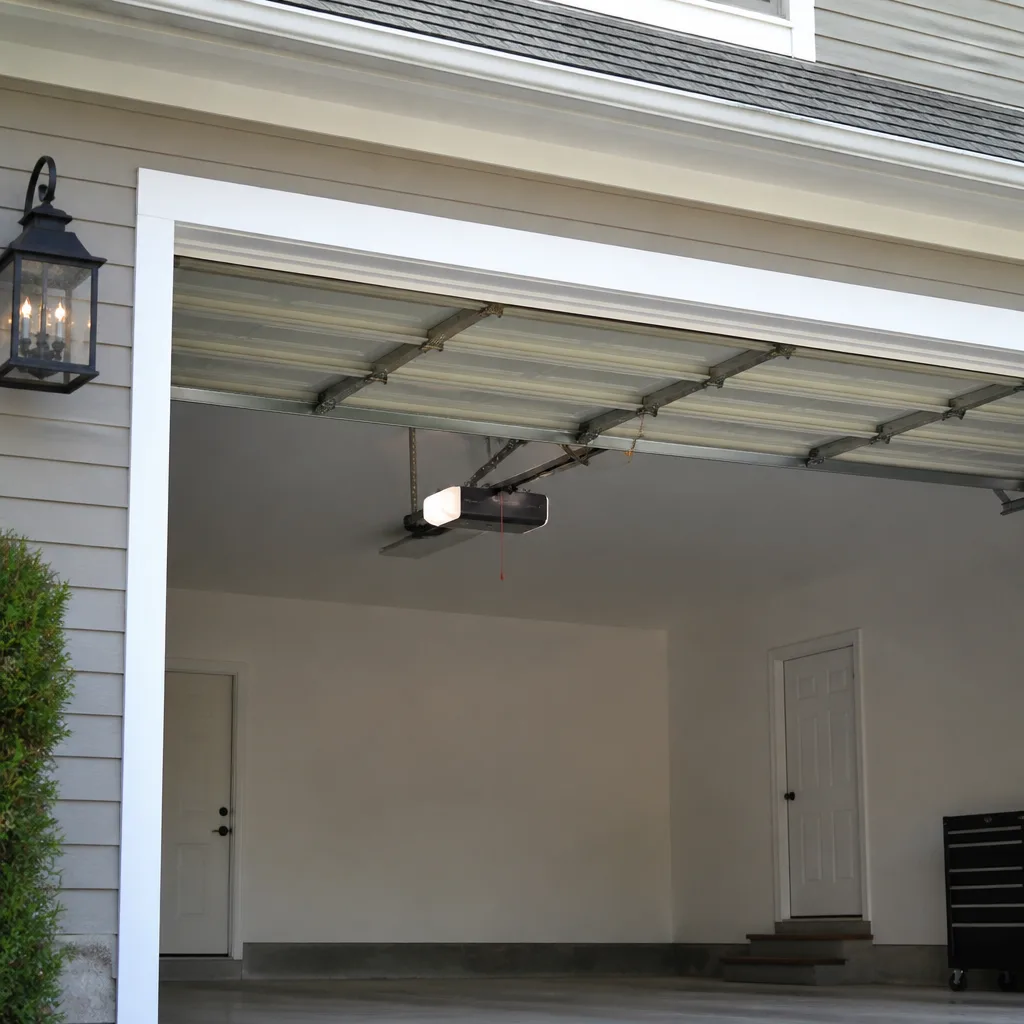
- LiftMaster openers
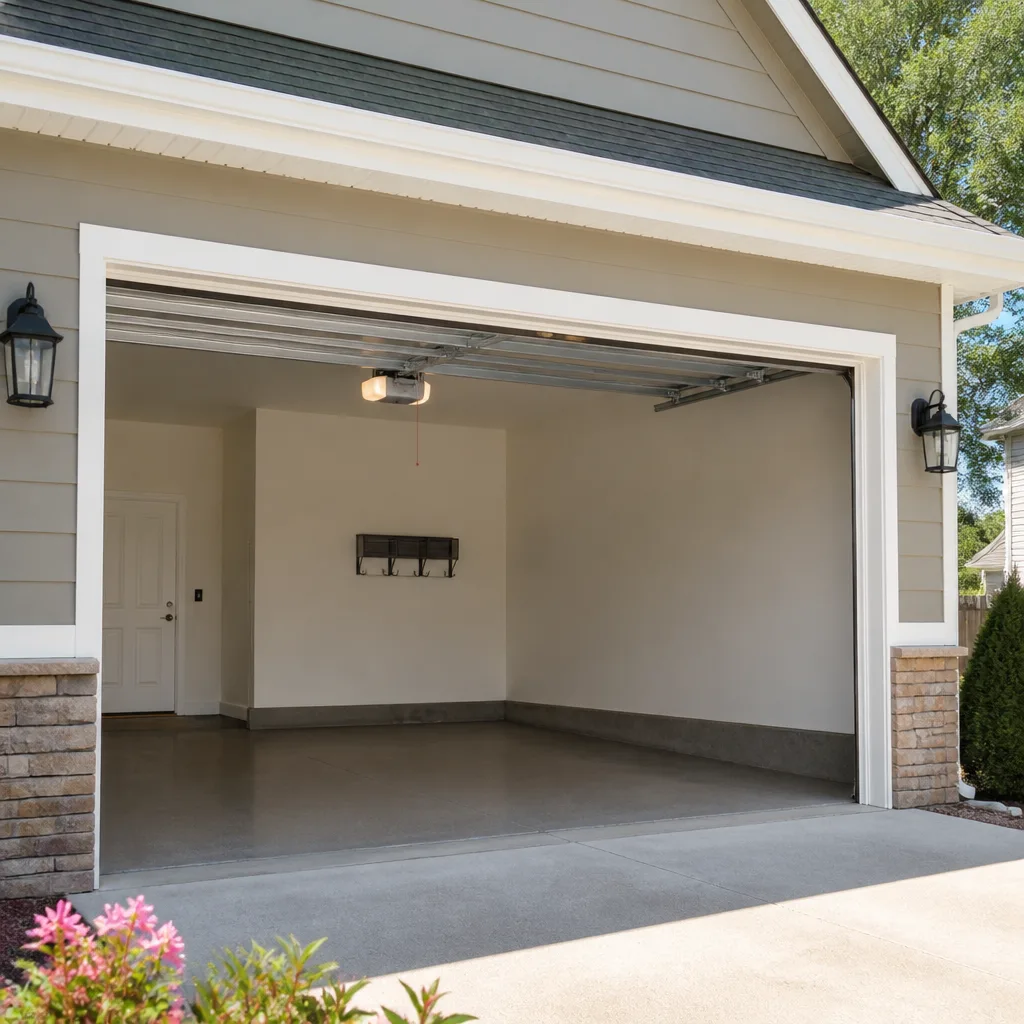
- Chamberlain openers
Table of Contents
- Why a Seasonal Checklist Beats a Flat Annual List in Blaine
- The Fall Checklist: What to Do Before the First Hard Freeze
- The Winter Checklist: Snow, Ice, and the Frozen Bottom Seal
- The Spring Checklist: Post-Thaw Lubrication and Hardware
- The Summer Checklist: Opener, Tracks, and Weatherstripping
- The Balance Test That Reveals Whether Your Springs Are Still Working
- What Normal Wear Looks Like vs. What Warrants a Call
- Checklist Items That Waste Your Time on Modern Doors
Why a Seasonal Checklist Beats a Flat Annual List in Blaine
Most garage door maintenance checklists floating around online are copies of manufacturer documentation designed for a national audience. They treat every climate the same. In Blaine, the seasons impose very different stress on a garage door, and a single once-a-year pass in, say, June would completely miss the conditions that cause the most damage here.
Think about what actually changes across a Blaine year. In October, temperatures can drop twenty degrees in a week, and the rubber bottom seal that flexed fine in September goes stiff. By January, that seal is pressed against a concrete floor that’s been frozen for weeks, and every time the door closes it grinds against ice. By April, the thaw turns the apron in front of the door into a wet, gritty surface that throws grit into the rollers and tracks. By July, the heat is expanding the door panels and stressing the opener’s limits. Four very different problems, four different fixes, one seasonal rhythm.
We’ve seen plenty of Blaine garage doors where the only maintenance was a spring tune-up when something finally snapped. That’s reactive, not preventive. A better approach treats maintenance as a calendar, not an event. The seasonal passes below are built around what a Blaine garage door is actually working through each quarter.
What each seasonal pass is really for
- Fall: Protect the seals and rollers before the freeze locks everything in place.
- Winter: Keep ice and snow from doing what the seals couldn’t prevent.
- Spring: Clear out the grit and lubrication debt left by the thaw.
- Summer: Verify the opener and weatherstripping are still doing their job through heat expansion.
None of these passes takes more than fifteen minutes. None of them requires opening a housing, disconnecting a spring, or touching the torsion system. That’s the boundary: maintenance you can do, versus repair a trained technician should do.
The Fall Checklist: What to Do Before the First Hard Freeze
The fall pass is the most important of the year in Blaine. It’s the one that prevents the January call. Here’s the sequence, in the order that makes sense for the door system:
- Look at the bottom seal edge. The rubber weatherstripping along the bottom of the door is the first thing to stiffen in cold air. Run a finger along its length and check for cracks, missing chunks, or a gap wider than a finger’s width where it meets the floor. If it’s brittle or torn, replacing it now is a fraction of the cost of dealing with a door that won’t lift because the seal froze to the concrete.
- Lubricate the rollers and hinges. Use a dry white lithium grease or a white spray lubricant – not WD-40, not engine oil, and not silicone spray on metal hinges. A dry lubricant holds up better against cold and won’t attract grit the way oil-based products do. Spray the hinge pivot points and the roller shafts, not the roller wheels themselves.
- Lightly grease the torsion spring coils on the outside only. Use a very thin film of white lithium grease rubbed into the outside of the spring. Do not touch the inside coil, do not attempt to unwind or adjust the spring tension, and if you’re not sure what you’re looking at, skip this step entirely and leave it to a technician.
- Check the track bolts with a wrench. Loose track fasteners are common after a year of vibration. Tighten them by hand, snug only – over-torquing can distort the track.
- Wipe down the photo-eye lenses. The small lenses at the bottom of the door tracks collect dust and cobwebs. Dirty lenses create phantom safety reversals that look like a opener failure but cost nothing to fix.
- Test the safety reverse. Put a roll of paper towels under the door and close it. The door should touch the roll and reverse immediately. If it doesn’t, that’s a call-us item.
- Look at the weatherstripping around the frame and door top. Gaps here mean drafts in winter and ice dams where the door meets the header in deep cold.
If anything on this list shows real damage – a torn seal, a warped panel, a roller that’s visibly bent – that’s the point to schedule a repair rather than waiting for it to become an emergency. Our garage door repair service covers the full system, and we’ll tell you honestly which items need to be fixed now and which can wait until spring.
The Winter Checklist: Snow, Ice, and the Frozen Bottom Seal
Once the door has been through a couple of hard freezes, the winter pass is less about prevention and more about keeping small issues from escalating. The routine here is short:
- Keep the apron clear. Don’t let snow or ice pile up against the bottom seal. A ridge of ice along the door base will trap the seal against the concrete and eventually tear it when the door next closes.
- Break up ice sheets gently. Use a plastic shovel or a stiff broom along the concrete apron. Never a steel-edge shovel that could gouge the apron or crack a panel.
- Watch the door for slow lifts. If the door hesitates on the way up in cold weather, that’s often the opener straining against stiff lubrication, not the opener failing. It’ll usually return to normal once warmed. If it continues into spring, book a service call.
- Don’t force a frozen seal. If the door won’t pull free from the floor, don’t repeat the opener pull. Warm the seal carefully with a hairdryer on low, from six to eight inches away, and try the manual release. If still stuck, call us – forcing it can break the opener’s gear assembly or snap the lift cable.
- Look under the door with the opener light on. If you can see daylight anywhere along the bottom edge, the seal has shrunk or shifted and will get worse.
Winter is also when we see the most calls for doors that are off track – usually because a panel was struck by a snow shovel or a car bumper in slick conditions. That’s not a maintenance task. An off-track door is a repair, and it’s one of the few situations where driving the door further in either direction can make a minor fix into a major one. Stop, call, wait.
The other winter issue that catches Blaine homeowners is a door that’s been left in the up position through a snowstorm. Snow blows into the tracks. When the door comes down, it crushes the snow into the track’s curve and can bend the horizontal section. Once the storm passes, check both tracks for packed snow and clear them before pressing the opener.
The Spring Checklist: Post-Thaw Lubrication and Hardware
The thaw is the least understood part of the maintenance year. Between the melting snow, the sand and salt pushed off the driveway, and the grit that gets thrown up onto the door’s moving parts, spring is when the whole system needs a reset. This is the pass that actually recovers door performance after winter.
- Rinse the tracks with a damp cloth, top to bottom. Use plain water. Avoid oil-based cleaners; they leave a film that traps grit into the rollers. Dry with a clean rag.
- Re-lubricate the hinge pivots and roller shafts. Same product as the fall pass: dry white lithium grease or a white spray lubricant. Skip the roller wheels and the plastic parts entirely.
- Inspect the lift cables for fraying. A lift cable is a braided steel wire running from the bottom corner of the door up to the drum. Look for broken strands, kinks, or rust. If anything looks worn, stop. Cables are under extreme tension and a snapped cable is dangerous. This is a professional repair.
- Check the door’s alignment. With the door closed, look along the gap between the door edge and the track on each side. It should be even. A door that’s shifted slightly to one side is showing early signs of track or roller wear.
- Test the balance. See the dedicated section below. This is the single most useful test you can run at home.
- Look at the opener drive system. A belt or chain should have modest slack, not sagging significantly. If it’s slack, that’s usually an opener issue worth diagnosing properly – our garage door opener repair service handles all the common residential brands, from LiftMaster to Craftsman to Raynor.
Spring is a good time to schedule a professional inspection if you’ve never had one, particularly for doors that are more than a few years old or have never been serviced. An inspection is cheap compared to what a snapped torsion spring does to a door panel and a car roof.
The Summer Checklist: Opener, Tracks, and Weatherstripping
Summer in Blaine brings heat expansion, which moves the door’s geometry in ways the winter months don’t. The summer pass is short but it’s where hidden opener problems surface:
- Check the opener housing for excess vibration or noise. A door that was quiet in April and is rattling in July is telling you the tracks need tightening or a roller is failing.
- Test the manual release. Pull the red handle with the door closed, lift the door by hand to about waist height, and lower it back. If the door feels heavier than expected or drops on its own, the springs have lost tension and need a professional look.
- Re-check the weatherstripping at the door top and frame. Heat softens it and can make it peel. Press it back with light pressure; if it’s cracked, replace the sections – weatherstripping is a low-cost consumable and worth refreshing every few years.
- Clear debris from the track channels. Leaves, insects, and grit accumulate through spring and early summer. A quick shop-vac pass prevents slow roller damage.
- Check the wall-mounted opener control and any remotes. Replace batteries in remotes before you’re stuck outside in a downpour. Low remote batteries are the most commonly misdiagnosed “opener failure.”
Summer is also a good time to schedule replacement work – new door installation or a major opener upgrade – because the work isn’t competing with emergency calls. Our garage door repair service across the Blaine area runs throughout the year, but if you know you’ll want a full door replacement before the next winter, summer is the window to order it. The brands we service range from LiftMaster to Wayne Dalton to Clopay, so we can work with whatever your existing automation or door came with.
The Balance Test That Reveals Whether Your Springs Are Still Working
The springs are the most expensive moving part on the entire door, and they’re also the part homeowners can’t directly service. But you can test whether they’re still doing their job with a safe, tool-free balance test. Here’s how:
- Close the door fully.
- Pull the manual release – the red handle on the trolley – to disconnect the door from the opener.
- Lift the door with both hands to about waist height. Then let go.
- The door should stay in place. If it does, the springs are balanced. If it drops quickly, walks up on its own, or feels very heavy, the spring tension has changed.
- Reconnect the door by pulling the release again until it clicks back into the trolley.
Run this test at the same point in the door’s travel every time, ideally monthly. A slow drift to one direction over a few months is a sign of weakening springs. A sudden change is a sign one of the springs has partially failed, which often precedes a full snap.
Do not attempt to tighten the springs yourself. Torsion springs carry enough stored energy to cause serious injury, and extension springs under a door can whip into the opener rail if the safety cable fails. If the balance test fails, the safe move is to book a service call. Our garage door spring repair handles both torsion and extension systems, and it’s the part of the work our technicians are most particular about. We’d rather you call us than attempt the adjustment yourself.
What Normal Wear Looks Like vs. What Warrants a Call
Homeowners often overthink this. The difference between “check back in a few months” and “call now” is usually obvious once you know what to look at. Here’s the split we use when evaluating a door in Blaine:
Normal wear – not a problem
- Fine surface scratches on the panel; cosmetic only.
- Light squeaking when the door is opening; usually fixed by lubrication.
- A slight dust film on the track; wipe with a damp cloth.
- Roller wheels that spin freely with a stiff touch; normal plastic roller behavior.
- Minor discoloration of the rubber seal; replaceable in spring when it’s more pliable.
Call-worthy – don’t ignore these
- A visible gap in the torsion spring coil or a spring resting at an odd angle.
- Any visible gap between the door and the frame, or daylight under the bottom seal with the door closed.
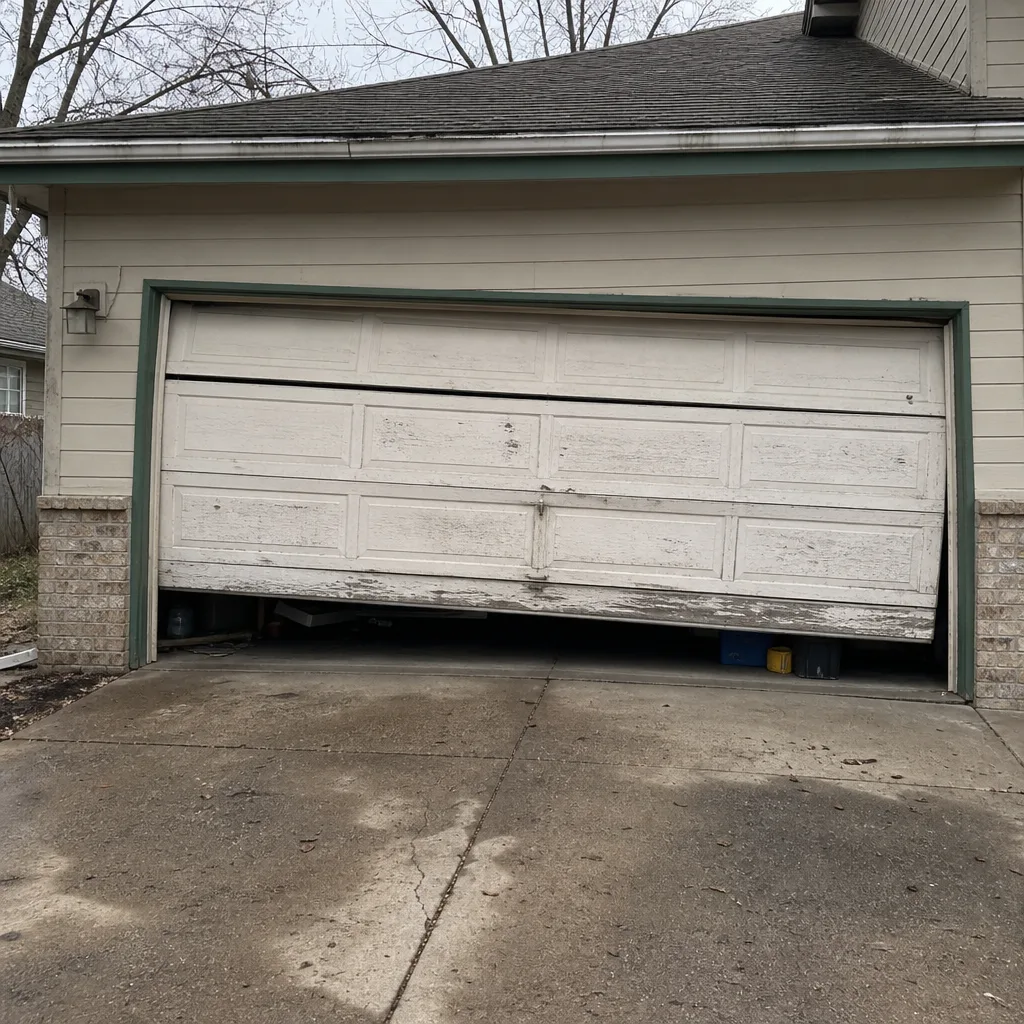
- A door that’s visibly off level when closed; one corner is on the ground, the other is hovering.
- Frayed, kinked, or rust-spotted lift cables.
- Door reversing before it reaches the floor on its own, or refusing to close at all when the reverse test would suggest otherwise.
- Grinding, popping, or a bang when the door moves – particularly a loud bang followed by a door that won’t rise.
- Rollers with visible flat spots or missing wheels.
- Opener that runs but doesn’t move the door, or moves the door a few inches and stops.
The loud-bang-plus-dead-door combination, in particular, is almost always a snapped spring. It doesn’t get better on its own, and the door must not be forced. Call us, don’t pull the opener another time.
Checklist Items That Waste Your Time on Modern Doors
We’ve seen every online checklist, and many of them include items that either don’t apply to modern door systems or are outright counterproductive. Here’s what to skip:
- “Oil the garage door springs with WD-40.” WD-40 is a solvent, not a lubricant, and it strips the factory-applied protective coat from a torsion spring. Use a white lithium grease on the outside only. On nylon-coated springs, skip the lubrication entirely – the coating is the protection.
- “Lubricate the plastic rollers.” Modern plastic or nylon rollers are designed to run dry. Adding oil attracts grit that grinds the plastic and wears out the roller faster. Only metal roller shafts need lubrication, and only a dry film of it.
- “Adjust the springs to increase tension.” On most modern torsion systems, spring tension isn’t a user adjustment. Attempting it is one of the most dangerous things a homeowner can do inside a garage.
- “Grease the opener drive gear through the housing.” On belt-drive openers from brands like LiftMaster or Chamberlain, the housing is sealed. Opening it to grease it invites problems that weren’t there before.
- “Test the auto-reverse by pressing against the door.” Use a roll of paper towels or a 2×4 block, not your hand or a child’s body. The mechanical contact-reverse is a backup, and the photo-eye reverse is the primary safety – testing both with a solid object is the correct method.
- “Replace the opener every 5 years as a precaution.” A properly maintained opener can last much longer. Replace it when it fails, not on a fixed calendar.
- “Loosen the tracks to realign the door.” Do not remove a track bolt to “adjust” the door yourself. It’s a fast path to a door that falls out of the track entirely.
Every checklist you find online was probably written by someone trying to cover every possible door ever made. The list above cuts through that.
Common Mistakes to Avoid
- Waiting until the first freeze to check the seal. By then the seal is already stiff and setting against concrete. Check it in late September or early October, when the rubber is still pliable and worth a look.
- Using silicone spray on the spring. Silicone on a torsion spring can actually trap grit and accelerate wear. The right product is a thin film of white lithium grease, and only on the outside of the coil.
- Forcing a frozen door open. Every pull of the opener against a frozen seal stresses the opener gear, the lift cables, and the tracks. Warm the seal or call us.
- Assuming the opener is broken when the door won’t move. Nine out of ten no-open calls we get in Blaine are actually a spring, cable, or track issue – not the opener. Diagnose by balancing the door first.
- Ignoring a door that reverses intermittently. An intermittent reversal is almost always the photo-eye lenses getting dirty, or a misaligned bracket. Left alone, it becomes a stuck-door emergency.
- Treating a loud bang as “just noise.” A single loud report from the ceiling is the sound of a torsion spring breaking. The door becomes dangerous to operate immediately.
- Clearing snow with the door open. Snow blows into the tracks and gets crushed by the next door descent. Always close the door before shoveling the apron.
None of these mistakes are unusual – we’ve all made some of them – but each one has a specific fix and a specific season where it’s worth doing. Avoiding them is what makes maintenance cheaper than repair.
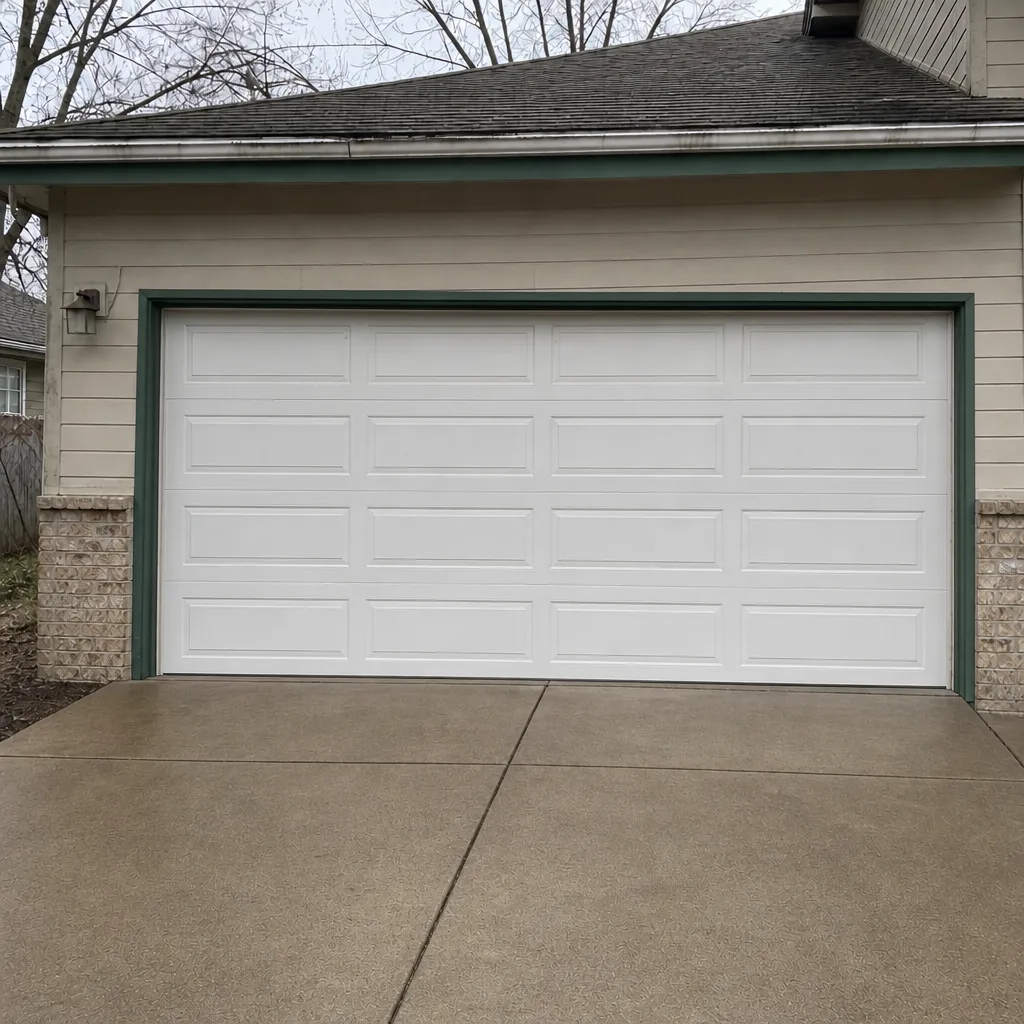
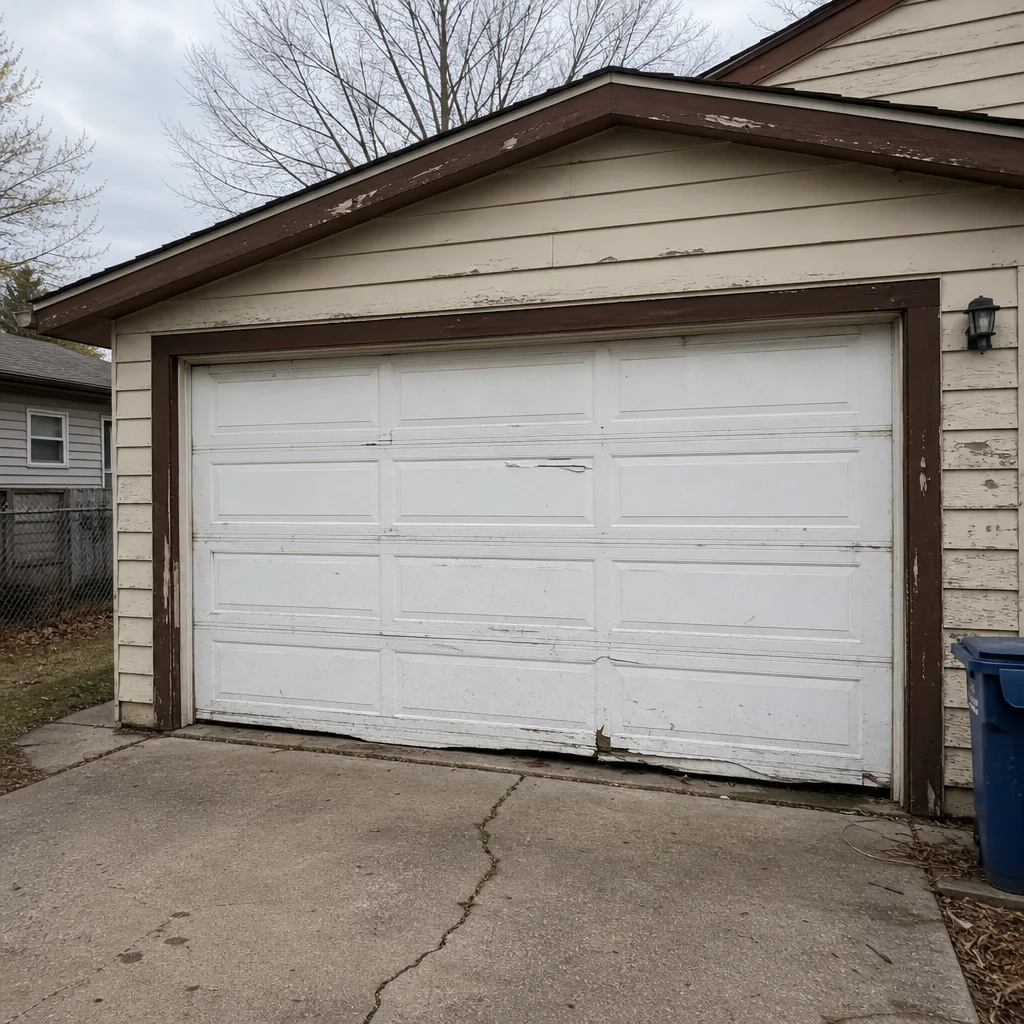
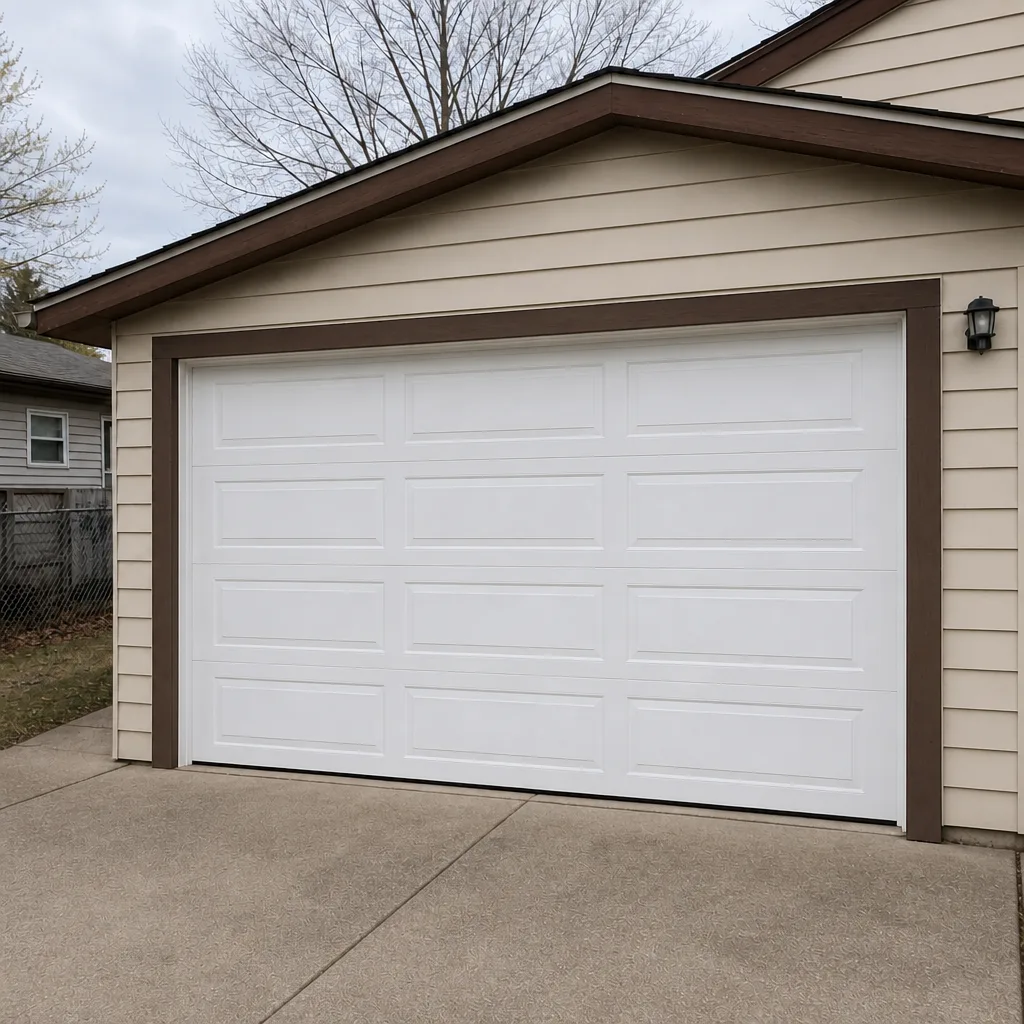
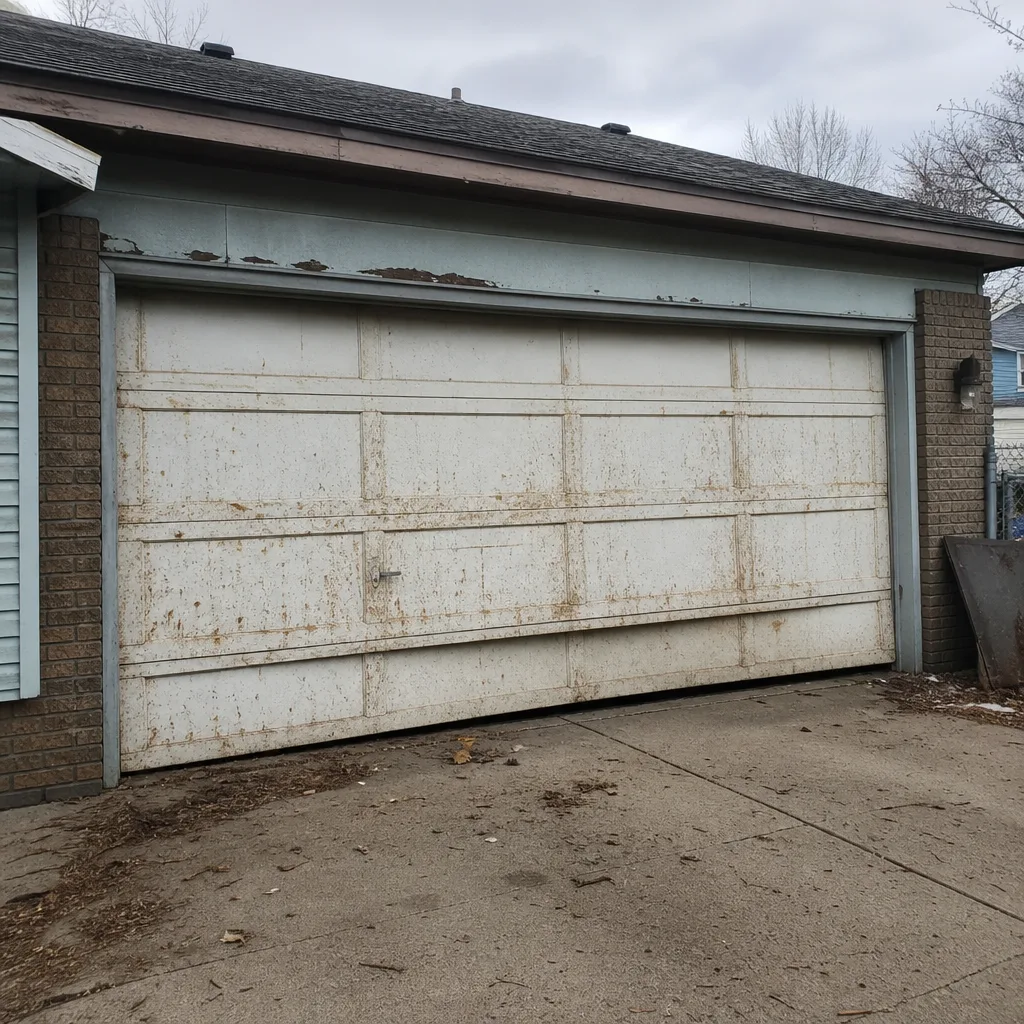
See the difference
 Before
 After
 Before
 After
 Before
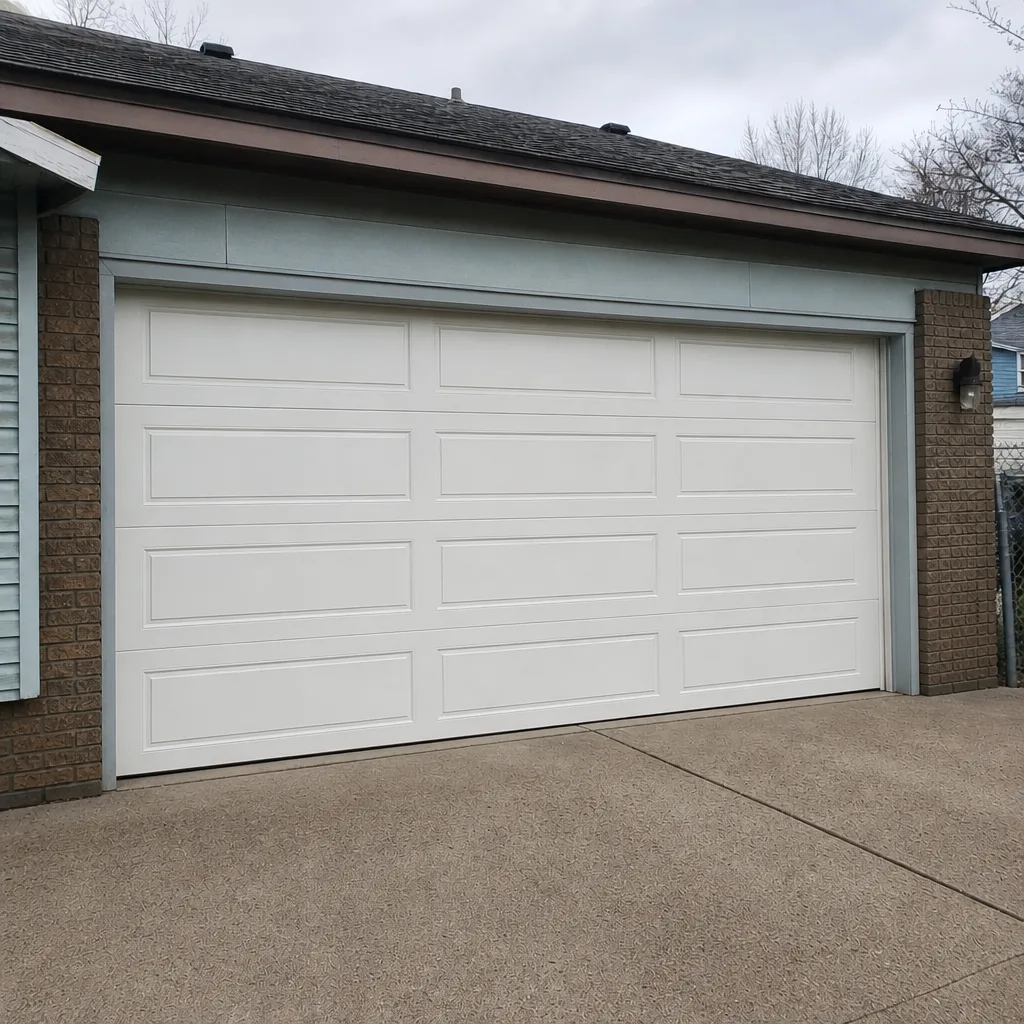 After
When to Call a Professional
There are jobs where a homeowner with a ladder and a spray can does real good. Then there are jobs where the safest thing you can do is put the ladder away. In Blaine, we recommend calling a professional whenever a task involves the torsion springs, lift cables, tracks, or the opener’s internal components. A snapped torsion spring is dangerous, a failed cable can whip, and an off-track door often falls into one of these conditions the moment it’s adjusted. Any of the following, in particular, is a call-us-now item: a door that’s fully or partially off its track, any spring or cable that shows visible damage, a door that won’t balance, a door that’s visibly uneven when closed, and any door that makes a hard bang when it opens. Blaine Garage Door Repair Co offers free estimates in Blaine and can diagnose spring, opener, panel, or track problems in one visit – call (855) 547-9108.
Our technicians have up to 14 years of experience working on LiftMaster, Chamberlain, Genie, Clopay, Amarr, Wayne Dalton, Craftsman, and Raynor equipment, so we can work with whatever brand your door came with. Emergency garage door service is available when the door is stuck, off track, or won’t secure.
Frequently Asked Questions
Once a year for most Blaine homes, with the seasonal do-it-yourself passes in this guide in between. A once-a-year professional service catches spring wear, opener strain, and door alignment issues before they turn into bigger repairs. Doors on homes with heavy daily use – or on homes that have never had a service – often benefit from a second visit in spring if winter weather was particularly rough.
Small hesitation is normal in very cold weather, but a door that stops several inches from the floor is not. Most often it’s a stiff bottom seal against a frozen apron, a sluggish opener, or a track that’s contracted slightly in the cold. If the door reverses when it shouldn’t, or stops consistently at the same point, that’s a call-us item. Call (855) 547-9108 for a free estimate – we’ll schedule a visit to diagnose it.
Adjusting or unwinding a torsion spring. Torsion springs store large amounts of energy and can cause serious injury if they’re handled incorrectly. Lubrication, visual inspection, seal replacement, and the balance test are all safe homeowner tasks. Anything that involves a wrench on the spring system is not. Leave it to us – our garage door spring repair is the part of the work we handle with the most care.
If you have two torsion springs and one has broken, stop using the door immediately. The remaining spring is now carrying twice the load it was designed for, and the door is out of balance. Opening it further can stress the cables and, in the worst case, cause the second spring to fail too. Call us – emergency garage door service is available for exactly this situation.
Yes, and the first service is actually the most important. A new door settles into its tracks over the first few months of use, and lubrication points benefit from a check once the system is broken in. Manufacturers typically recommend a first inspection in the first year. If your new door was a LiftMaster or Clopay install, we can service it regardless of who installed it.
Very little beyond what the door itself needs. The opener’s job is to push and pull the door, and when the door is properly balanced and lubricated, the opener runs at low strain. The maintenance side of the opener is mostly the drive belt or chain, the safety reverse test, and the photo-eye lenses. Our garage door opener repair service covers all the common residential brands, and the team can diagnose a specific issue quickly if the opener is behaving inconsistently. Call (855) 547-9108 for a free estimate if you’re not sure whether the opener or the door is the problem.
Only the outside of the spring coil, with a very thin film of white lithium grease. Never the inside of the coil, never the winding hardware, and never nylon-coated springs (the coating is the protection). If you’re unsure what type of spring you have, leave lubrication to a technician – a spring that gets the wrong product on it can actually wear faster. Our Blaine Garage Door Repair Co team can tell you on a service call which spring type is on your door and what it needs.
The Bottom Line
Garage door maintenance in Blaine is a calendar, not a task. Four short seasonal passes – fall for the seal and lubrication, winter for ice and snow, spring for post-thaw cleanup, summer for opener and weatherstripping – catch the failures that turn a forty-dollar fix into a four-hundred-dollar one. The balance test is the single most useful fifteen-second check in the whole list. Anything touching springs, cables, tracks, or opener internals goes to a professional. Our technicians have up to 14 years of experience, we service all the major residential brands, and if something’s off, call (855) 547-9108 for a free estimate.
Written by the team at Blaine Garage Door Repair Co.