Last updated November 21, 2026
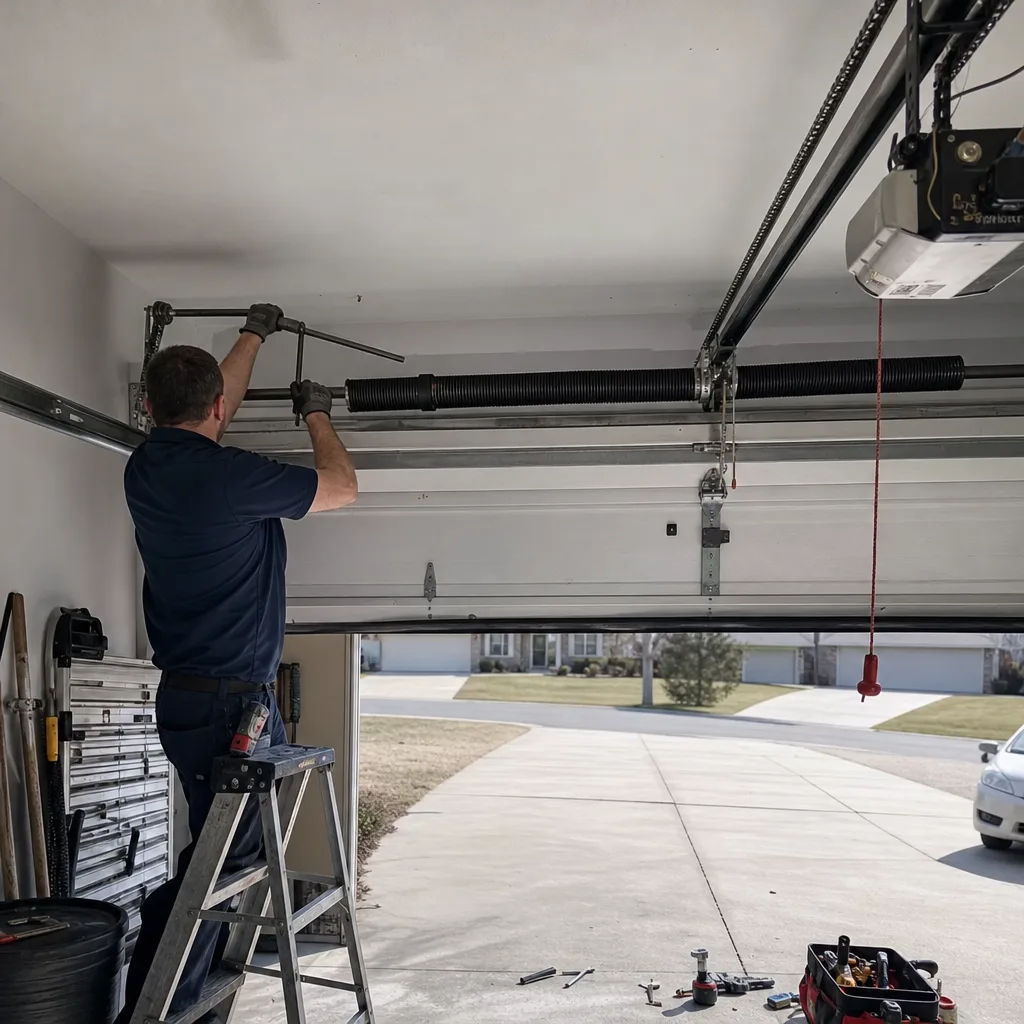
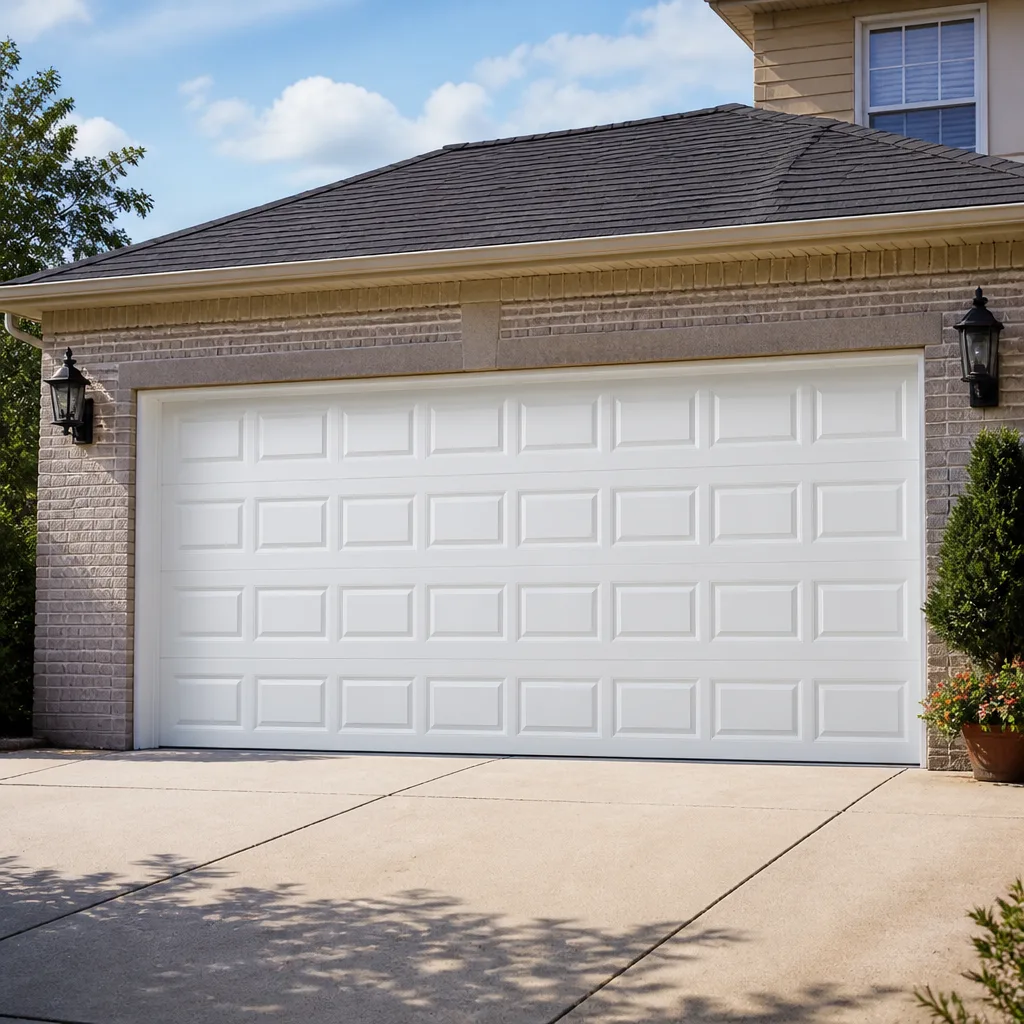 Raised-panel steel
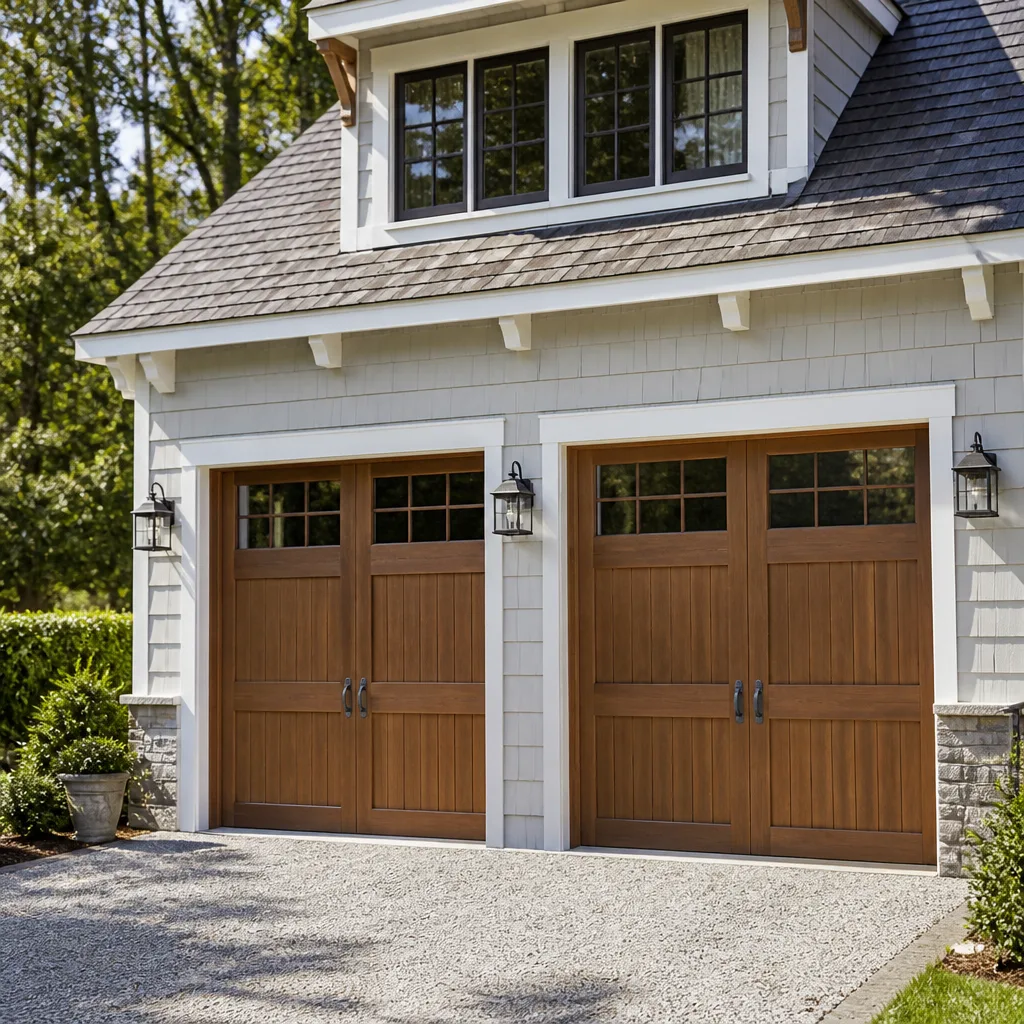 Carriage house
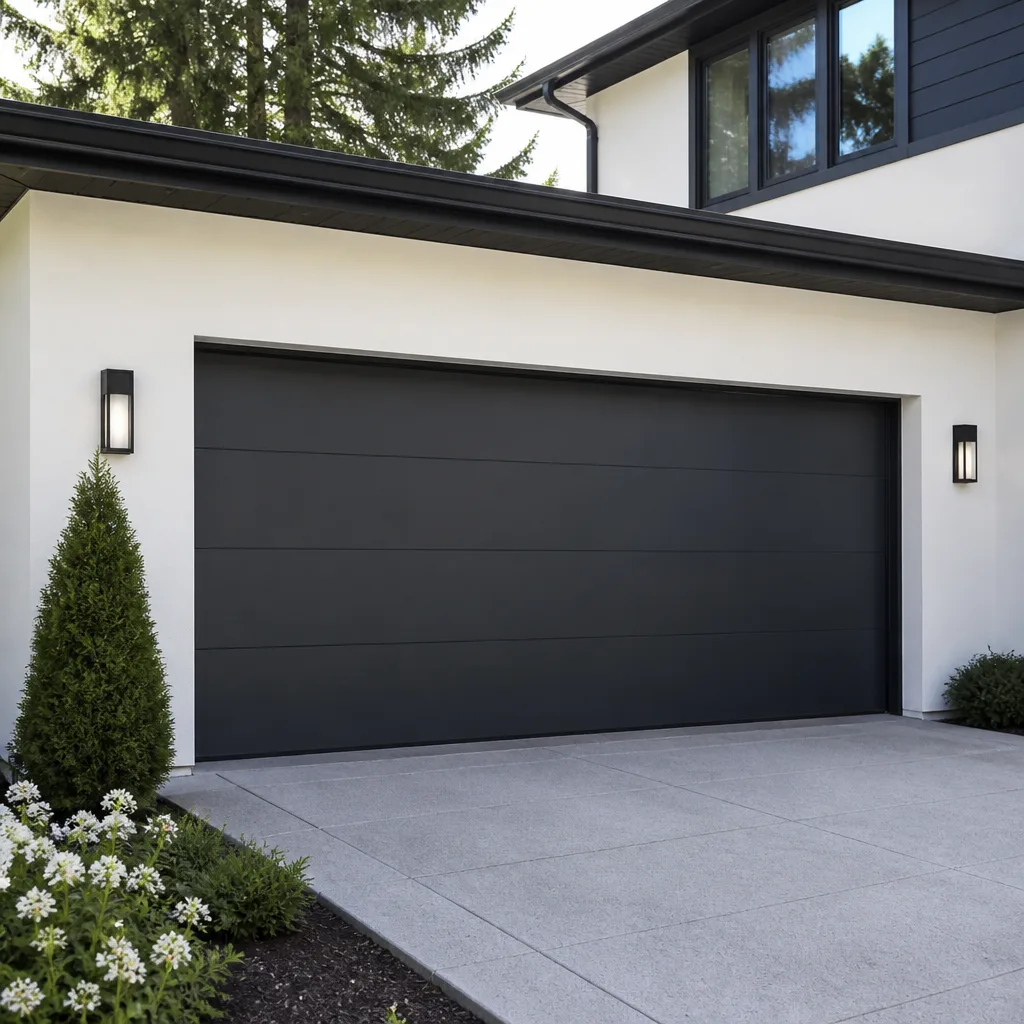 Modern flush
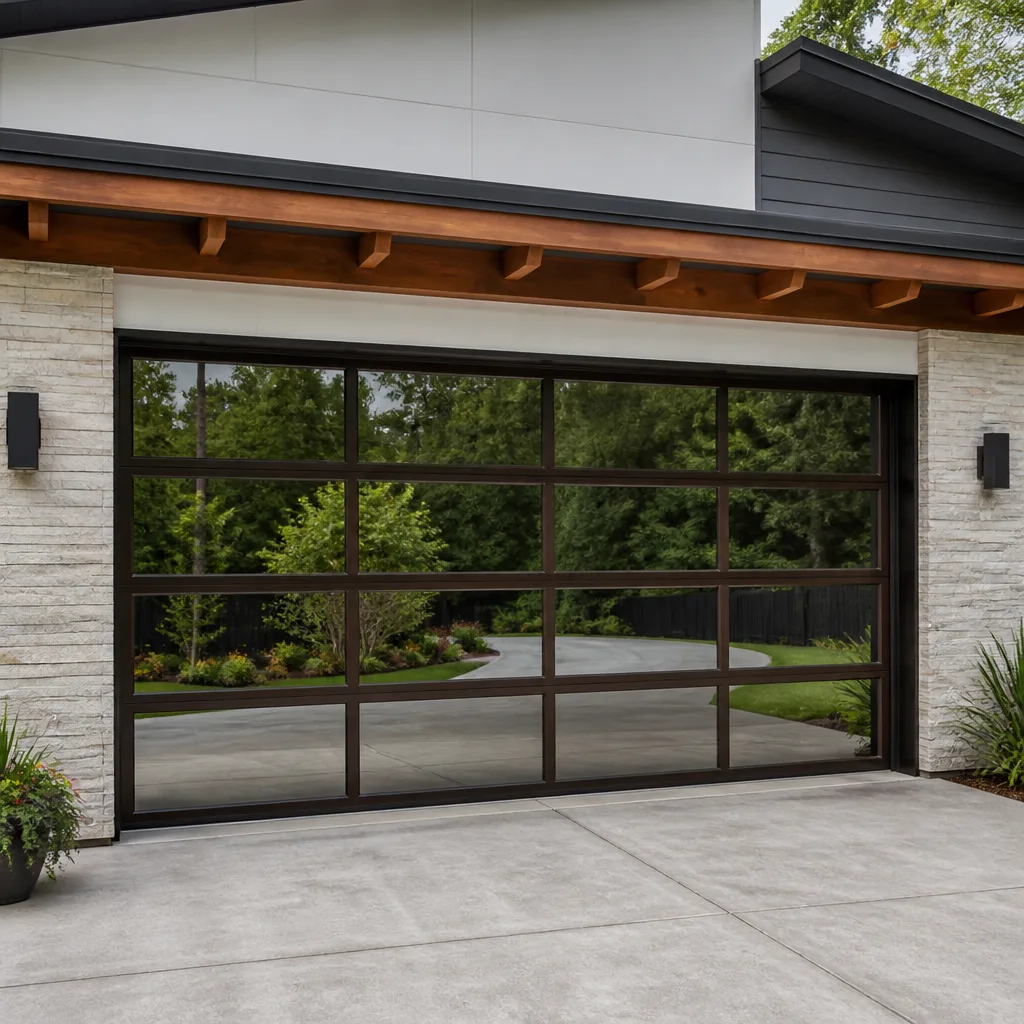 Full-view glass
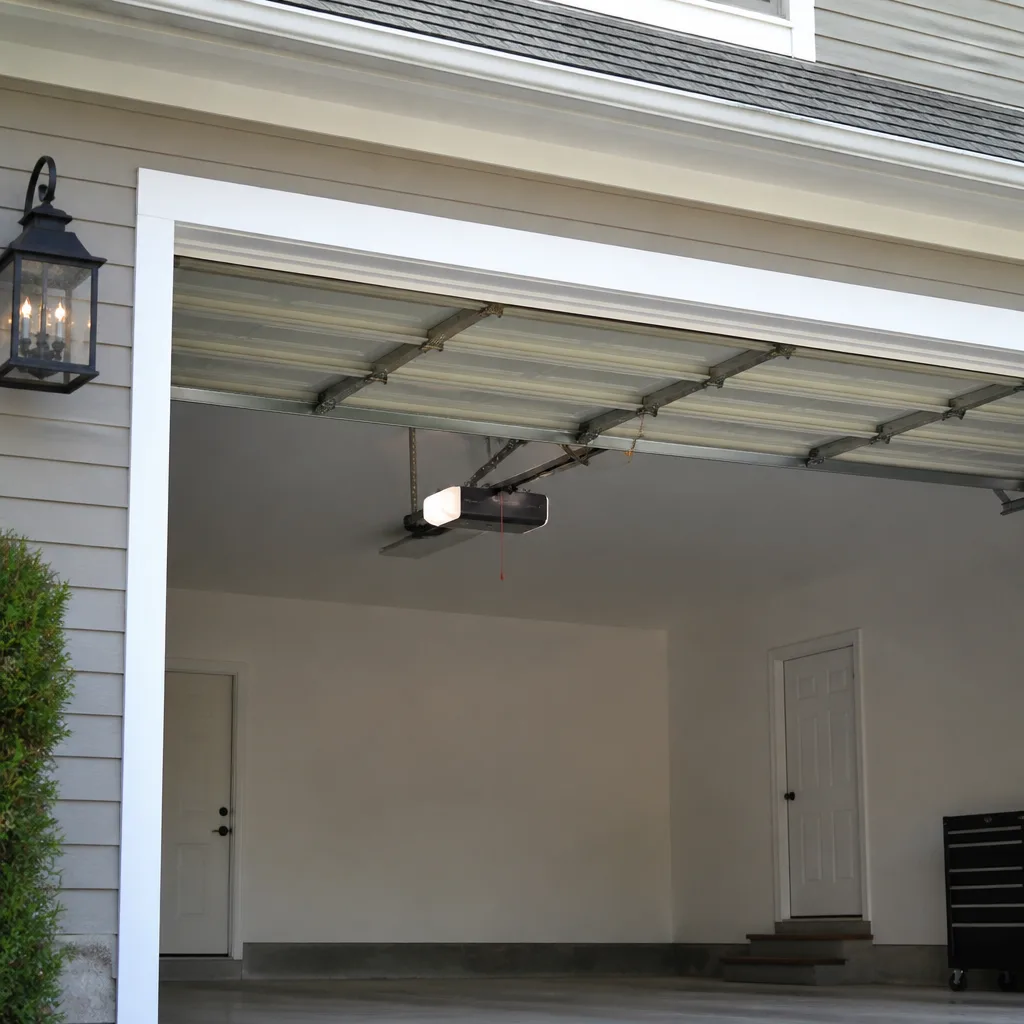 LiftMaster openers
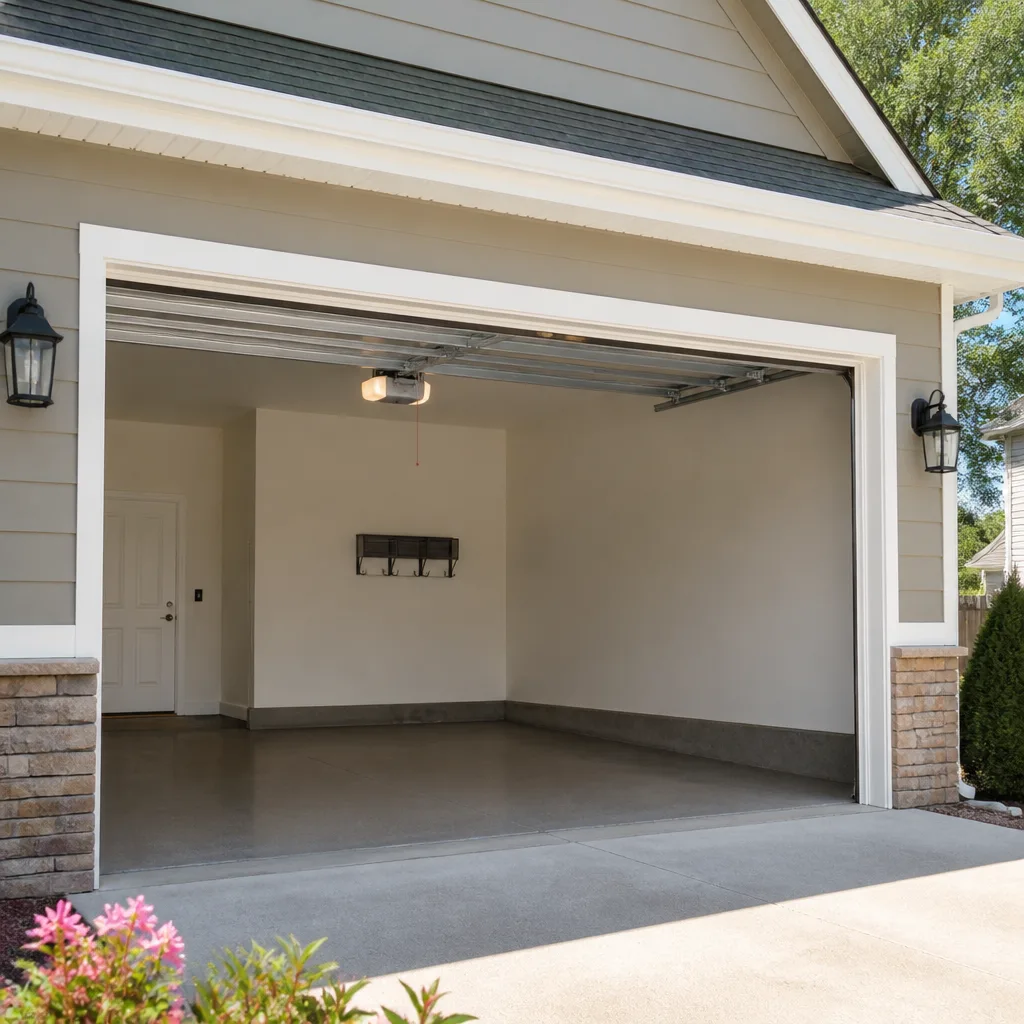 Chamberlain openers
Full 25-point door and opener safety check with every visit - springs, cables, rollers, tracks, and your LiftMaster or Chamberlain opener included
You get a price before we start. It does not change when the pro arrives.
Get your free estimateHow to Hire a Garage Door Contractor in Blaine: A Step-by-Step Guide
Most homeowners in Blaine screen a garage door contractor on price and a quick phone manner. That’s the wrong order. The risks that actually cost money show up after the job is finished: a torsion spring sized for the wrong door weight, an opener installed in a way that voids its manufacturer warranty, or a contractor whose insurance doesn’t cover the damage their work leaves behind. None of that is visible in a verbal quote. Minnesota doesn’t require a specialty license to install or repair a residential garage door, so the vetting is yours to do. This guide gives you a repeatable process that surfaces those problems before you pay a deposit, plus the exact questions to ask on the phone.
Quick Answer
Hire a garage door contractor in Blaine by asking four things before anyone touches the door: their method for sizing torsion springs, what spring type and cycle rating they’ll install, proof that their liability insurance and workers’ comp actually cover residential work, and whether their repair keeps your door manufacturer’s warranty intact. Get a written estimate that names the parts, not just a lump sum. A legitimate contractor will answer all four without hesitation. Blaine Garage Door Repair Co gives free written estimates and works on LiftMaster, Chamberlain, Genie, Clopay and other major brands so your existing equipment stays covered.
Styles & brands we work with
- Raised-panel steel
- Carriage house
- Modern flush
- Full-view glass
- LiftMaster openers
- Chamberlain openers
Table of Contents
- Why Hiring a Garage Door Contractor in Blaine Is Different
- The 7-Step Vetting Process
- The Questions That Separate Technicians From Parts-Changers
- What a Legitimate Estimate Includes
- How to Verify Insurance Protects You, Not Just the Contractor
- The Warranty Transfer Trap
- Why the Cheapest Quote Breaks Down on Springs and Openers
- Red Flags to Watch For
- Common Mistakes to Avoid
- When to Call a Professional
Why Hiring a Garage Door Contractor in Blaine Is Different
A garage door spring is one of the highest-tension mechanical components in a residential home. The torsion spring that lifts a standard double door holds hundreds of pounds of stored force, and when it fails it fails suddenly. The person working on it doesn’t need a specialty license in Minnesota, which means there’s no state credential you can look up to confirm competence. You’re relying on the contractor’s own standards, and they never appear in a phone book listing.
Blaine adds a few wrinkles of its own. Homes across the city span a wide range of build eras, from older single-family houses to newer subdivisions, and that mix means garage doors of very different weights, drum styles and spring configurations. A torsion spring has to be matched to the actual door weight and lift height, not chosen by eye. Then there’s the climate: Blaine winters swing from freezing to occasional thaws, and that freeze-thaw cycle works on lubricant, hardware and rollers in ways that a milder climate never tests. Doors here open and close more cycles under load in a year than most homeowners expect.
We work on the whole system, which is why we care about these details. Springs, openers, panels and full doors all interact, and a contractor who only handles one part often misses the connection. If you want the background on why spring sizing matters so much, our page on garage door spring repair goes deeper into the mechanics.
The 7-Step Vetting Process
Work through these steps in order. Each one filters out a category of bad outcome, and by the last step you’ll know exactly what you’re paying for.
- Confirm they handle your brand. Ask directly whether they service LiftMaster, Chamberlain, Genie, Clopay, Amarr, Wayne Dalton, Craftsman and Raynor, or at least the specific brand on your door. A contractor fluent in one manufacturer’s ecosystem may not be able to source parts for anything else, and legacy systems are where that gap hurts most.
- Ask how they size a torsion spring. The answer should involve measuring door weight and lift height and selecting wire gauge and length to match. If the response is “we match what’s on there” or “standard size,” that’s a red flag. Springs aren’t universal.
- Request the cycle rating in writing. Spring and opener life is measured in cycles, and the cheapest option is almost always the lowest rating. Ask them to state the cycle rating on the estimate.
- Ask for proof of insurance. Request a certificate of insurance naming general liability and, if they have employees, workers’ comp. Then call the number on the certificate to confirm it’s active. Details are below.
- Ask about warranty implications. A door manufacturer’s warranty can be affected by who performs service and what parts are used. Ask whether their work and parts keep your existing coverage intact.
- Get a written, itemized estimate. Parts, labor, what’s included and what isn’t, with a total. Verbal estimates and lump sums hide the quality differences that matter most.
- Confirm the price is locked before work starts. Ask them to say plainly that the written quote is the price and any change requires your approval first.
The Questions That Separate Technicians From Parts-Changers
The fastest way to tell an experienced technician from a parts-changer is to ask how they make decisions, not how much they charge. A parts-changer replaces what’s broken with something that fits. An experienced technician diagnoses why it broke and sizes the replacement for the load it actually carries.
On torsion spring sizing specifically, ask how they determine the wire gauge and inside diameter for your door. A genuine answer references door weight, lift height and the number of cycles the door runs. Someone who can’t explain their sizing method is guessing, and a missized spring fails earlier and can stress the opener and cables along with it.
On openers, ask whether they check the balance of the door before installing a new unit. A new opener bolted onto an unbalanced door will run hot and wear out. On panels and full doors, ask how they confirm the new door’s weight range matches the springs supplied with it.
Our technicians have up to 14 years of experience across these systems, and we mention that because the questions above are the ones that experience teaches you to ask and to answer. Whether you call us or someone else, use these:
- How do you size a torsion spring for my door, and what wire gauge will you use?
- What cycle rating are you installing, and why that one?
- Do you check door balance before and after opener work?
- Can you source parts for my brand if the original model is discontinued?
- Will this repair affect my door manufacturer’s warranty?
- Is the written estimate the final price, and does it list the parts by type?
What a Legitimate Estimate Includes
A real estimate reads like a parts list, not a promise. Vague line items like “spring replacement” or “opener install” hide the quality differences that decide how long the fix lasts. Here’s what should be spelled out.
For spring work, the estimate should name the spring type (torsion or extension), the wire gauge, the inside diameter, the length, and the cycle rating. For a matched pair, it should say whether both springs are being replaced and note that a pair is priced as two springs, not one. For opener work, it should name the model and whether it includes a new rail, safety sensors and a wall control. For panel or door work, it should note the panel gauge and finish. For installation, it should include the door’s weight range, the springs supplied with it, and the opener if bundled.
- Spring type, wire gauge, inside diameter, length and cycle rating
- Whether it’s one spring or a matched pair
- Opener model and what’s in the box (rail, sensors, remotes, wall control)
- Labor, haul-away and any disposal fees
- What’s excluded, stated plainly
- A total, with a note that the written quote sets the final price
An estimate that only says “spring repair, $X” tells you nothing about what you’re getting. Ask for the itemized version. If the contractor resists, that’s your answer.
How to Verify Insurance Protects You, Not Just the Contractor
Insurance language in a quote is easy to write and does almost nothing for you unless you check it. General liability covers damage to your property; workers’ comp covers the person on your ladder. Both matter, and they protect you in different ways.
Start by requesting a certificate of insurance. Then call the phone number on the certificate and ask two questions: is the policy active, and does it cover residential garage door work in Blaine? A certificate can be expired or written for commercial work that doesn’t apply to your home. If the contractor has employees, ask for the workers’ comp policy too. If someone gets hurt on your property and there’s no workers’ comp, the question of who pays can come back to you. That’s the part most homeowners miss.
Also ask whether the crew working on your door are employees or subcontracted, and whether any subcontractor carries their own coverage. You want the answer in writing. When we connect you with a local pro, that pro is licensed and insured as their state requires; your job is to confirm the paperwork matches the job.
The Warranty Transfer Trap
Most homeowners don’t know their door manufacturer’s warranty can be affected by who services the door and what parts go into it. Use an unauthorized service provider or non-approved parts and you may find that coverage reduced or voided when you need it. The trap is that you usually don’t discover this until you file a claim.
The fix is simple: before work starts, ask the contractor whether their service and parts keep your manufacturer’s warranty intact, and ask them to put that in the estimate. If you have a newer Clopay or Amarr door, the manufacturer’s warranty is a real asset, and it’s worth protecting. Ask which parts they’ll use and whether they’re approved for your door model.
Keep your documents together: the original door paperwork if you have it, the estimate, the invoice and the warranty statement. When something goes wrong years later, having that paper trail is the difference between a covered repair and a bill.
Why the Cheapest Quote Breaks Down on Springs and Openers
Cheapest-quote logic works for a lot of home purchases. It breaks down badly on torsion springs and openers, because the low bid is almost always buying a shorter service life. A lower-cycle-rated spring costs less and fails sooner. A bottom-tier opener does the same. You pay the difference later, plus a second labor charge.
The failure modes are concrete. An undersized or low-cycle spring can break early, and when a torsion spring fails the door drops and can’t be lifted by hand. That leaves a car trapped and the house unsecured until a technician arrives. A missized spring can also stress the cables, and cables under tension are another component you don’t want failing. An opener rated below the door’s weight or installed without balancing the door runs hot and wears out the gear and motor. In every case the “saving” is a delay, not a discount.
Compare quotes on the parts, not just the total. Ask each bidder for the cycle rating and the opener model, and compare those first. A higher number up front often costs less over the life of the door.
Once you’ve picked a contractor, get a free written estimate. For a doorway failure that needs urgent attention, our garage door repair team handles same-day calls, and garage door opener repair covers the opener side of the system.
Red Flags to Watch For
Red flags in this trade tend to be about how the contractor handles information, not how they handle tools. Watch for these.
- No written estimate. A verbal quote leaves you with no protection and no ability to compare parts.
- Refusal to name the spring type or cycle rating. If they won’t put it in writing, they’re hiding a quality difference.
- “We match what’s on there” for spring sizing. Springs aren’t universal, and the old one may have been wrong to begin with.
- No certificate of insurance, or a certificate you can’t verify. Call the number on it.
- Pressure to decide immediately. A legitimate estimate stands on its own; it doesn’t expire in ten minutes.
- Unwillingness to discuss warranty impact. Any contractor confident in their parts will answer that question.
- No cycle rating anywhere on the quote. The cheapest part is usually the lowest-rated one, and the quote is where that shows.
Common Mistakes to Avoid
- Picking the lowest bid without comparing parts. Compare the cycle rating and opener model first; a low total often means a shorter life. Two sentences of checking can save you a second repair.
- Skipping the insurance verification call. A certificate on paper means little if the policy is expired. Call the number and confirm the coverage is active for residential work in Blaine.
- Letting a contractor size a spring by eye. Torsion springs are matched to door weight and lift height. Insist on the method and the wire gauge in writing.
- Ignoring warranty language until after the job. Ask before work starts whether parts and service keep your manufacturer’s warranty intact, and put the answer on the estimate.
- Assuming a new opener fixes an unbalanced door. A new opener on a door that doesn’t balance will wear out early. Ask them to check balance first.
- Paying a deposit before the estimate is itemized. The written quote should come before any money changes hands, with the parts named.
- Not asking about Blaine’s freeze-thaw effect on hardware. Rollers, hinges and lubricant take a beating here. Ask whether the service includes hardware inspection, not just the broken part.
When to Call a Professional
Some garage door problems are safe to look at; very few are safe to fix without training. A torsion spring under tension, a cable that’s come loose, a door that’s jumped the track, or an opener that runs but won’t lift the door are all cases where you should stop and call. Springs and cables store force that can injure even careful homeowners, and a door that falls can trap a car or leave the house unsecured. An opener that’s straining or a door that’s sagging also points to a balance or spring issue that needs a trained eye. Blaine Garage Door Repair Co offers free estimates in Blaine – call (855) 547-9108 and we’ll tell you what’s involved before any work starts. For spring work specifically, our spring team handles it directly.
Frequently Asked Questions
Spring repair in Blaine depends on spring type, wire gauge and whether you need one spring or a matched pair. We give a free written estimate with the parts named before any work starts, and the price you agree to is the price. Call (855) 547-9108 for an exact quote.
For urgent failures like a snapped spring, an off-track door or an opener that won’t lift, we offer same-day service when we can, and emergency service is available. Call us and we’ll tell you honestly what’s possible for your door. Estimates are free.
No. We quote from what we find and put it in writing before work begins. If something changes, we tell you first and get your approval. The written estimate sets the final price.
The local pro we connect you with is licensed and insured as their state requires. Minnesota doesn’t issue a specialty license for residential garage door work, so ask any contractor for a certificate of insurance and verify it before the job. We’re happy to walk you through what to check.
Yes. We service LiftMaster, Chamberlain, Genie, Clopay, Amarr, Wayne Dalton, Craftsman and Raynor, so your existing equipment is likely covered. If you’re unsure of your brand, tell us the model and we’ll confirm.
Usually yes. Torsion springs are replaced as a matched pair because they wear at the same rate, and a pair is priced as two springs. We’ll explain the reasoning on your estimate so you can decide.
The Bottom Line
Hiring a garage door contractor in Blaine comes down to verifying what the quote actually contains. Ask how they size springs, get the cycle rating in writing, confirm the insurance is active, and protect your manufacturer’s warranty by asking about parts before work starts. A written, itemized estimate with a locked price is your best protection. When you’re ready, Blaine Garage Door Repair Co handles springs, openers, panels and full doors, services all the major brands, and offers emergency service when a door fails. Call (855) 547-9108 for a free estimate in Blaine.
Written by the team at Blaine Garage Door Repair Co.
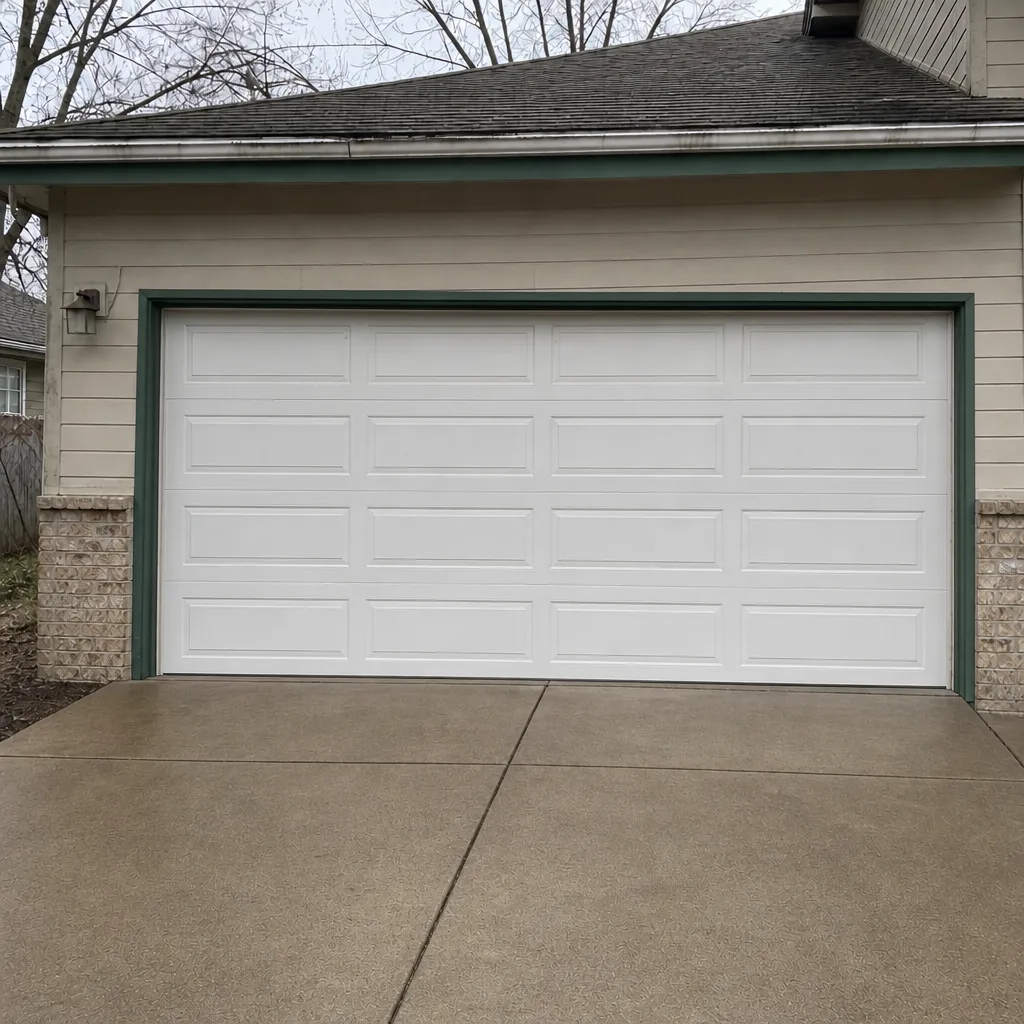
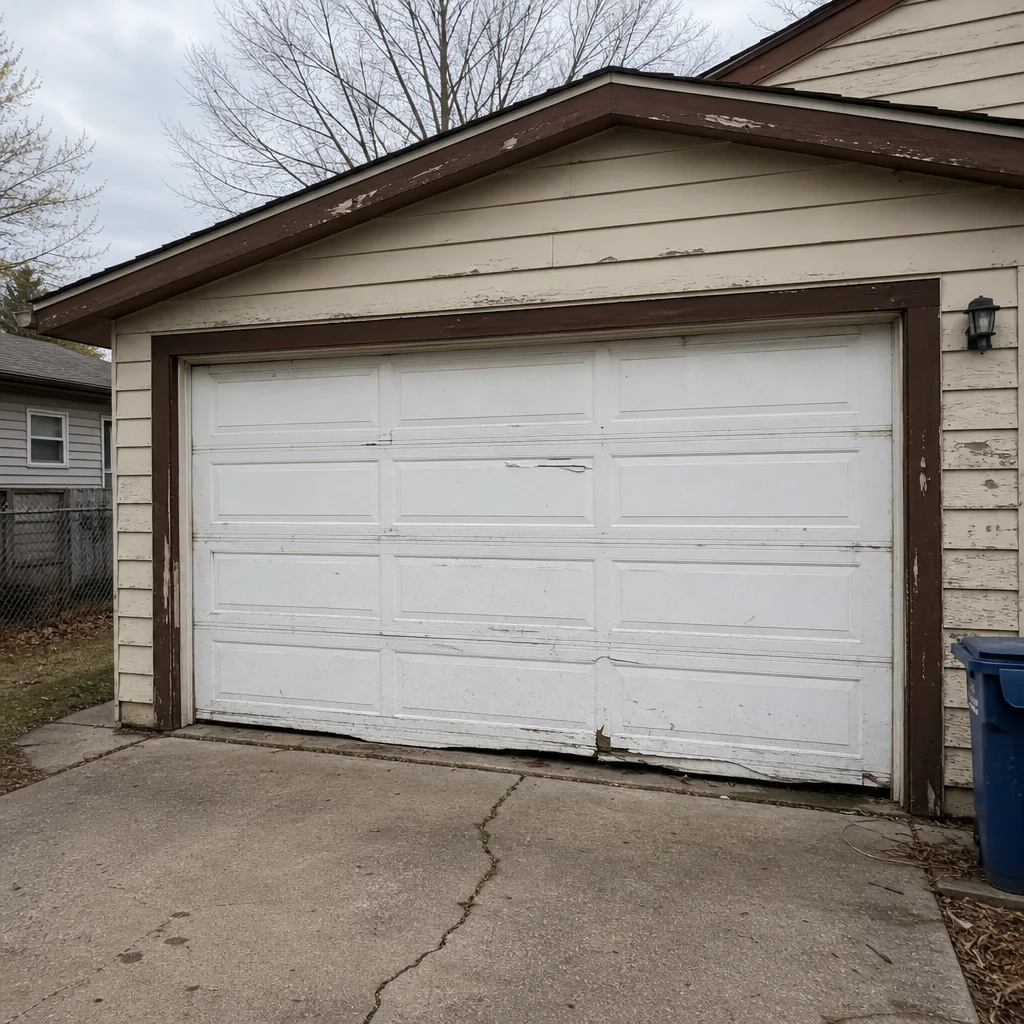
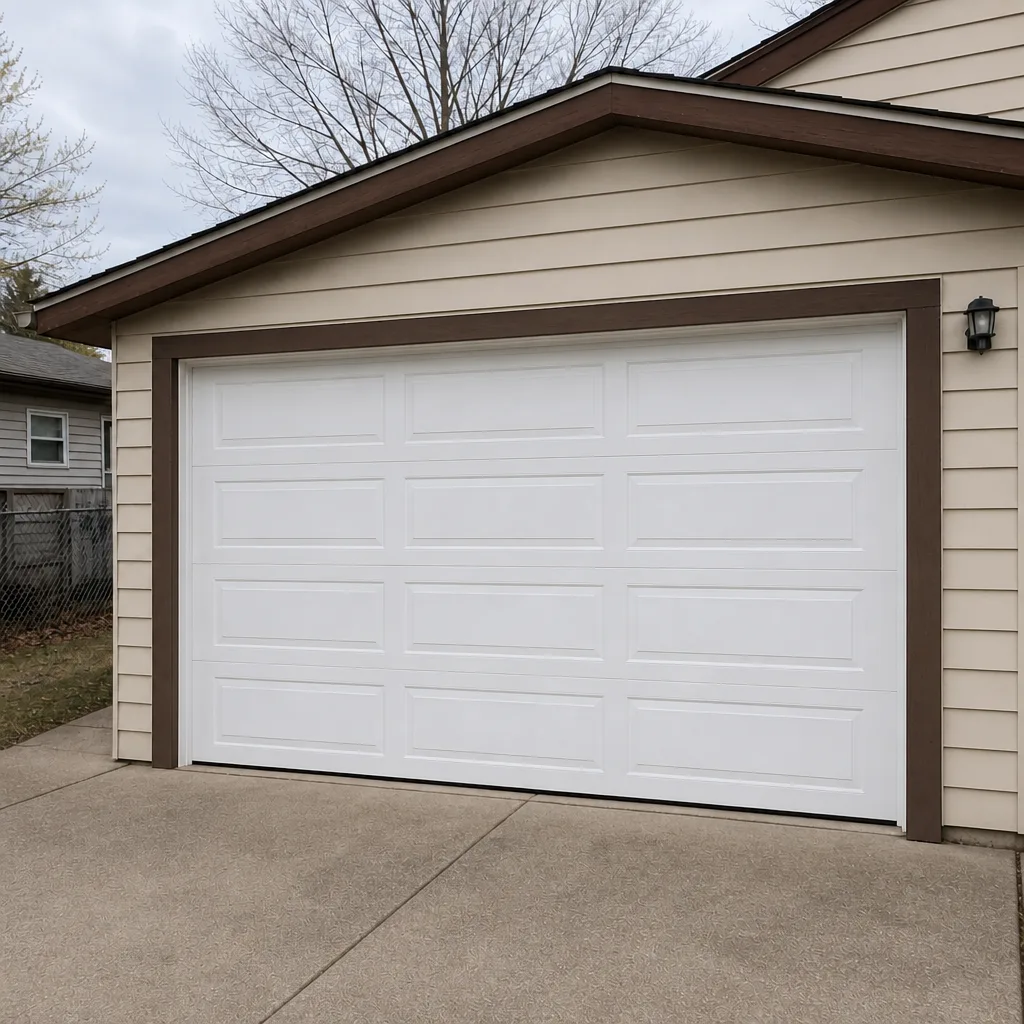
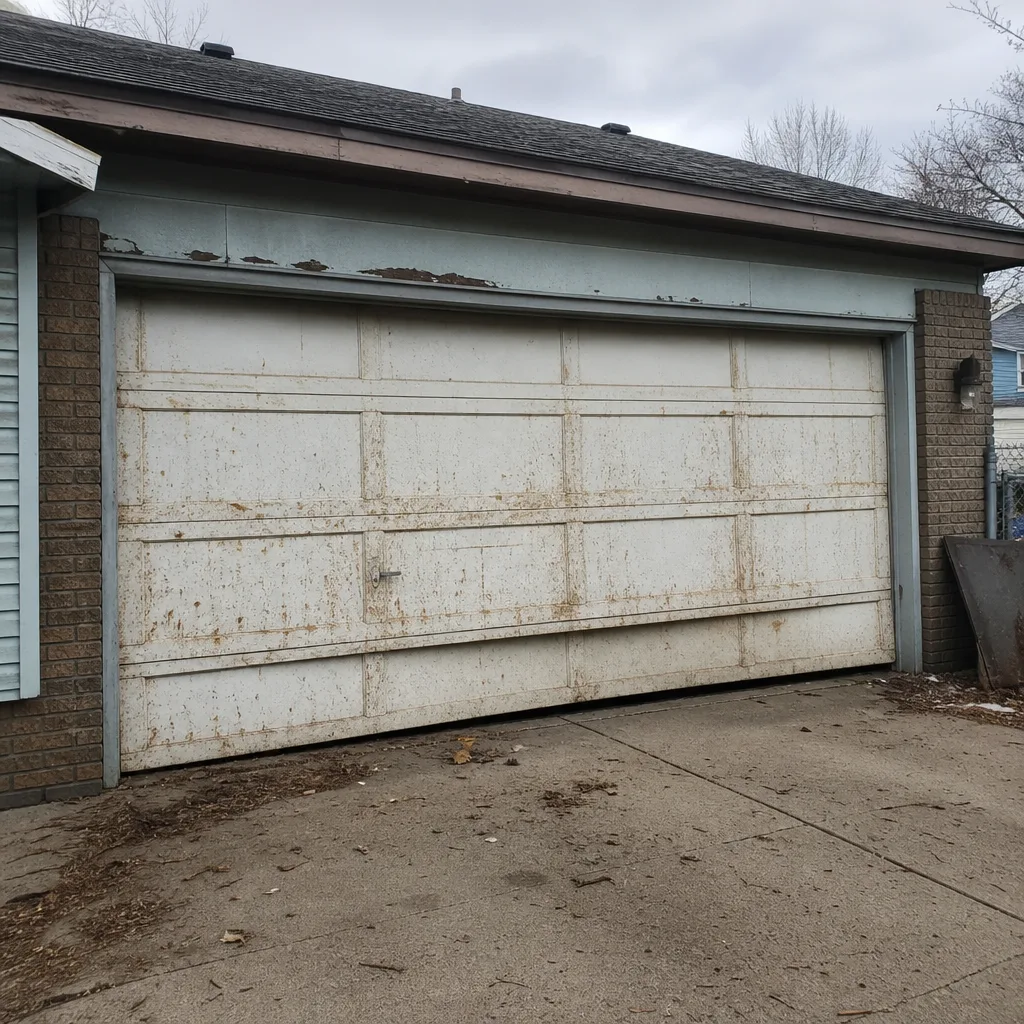
See the difference
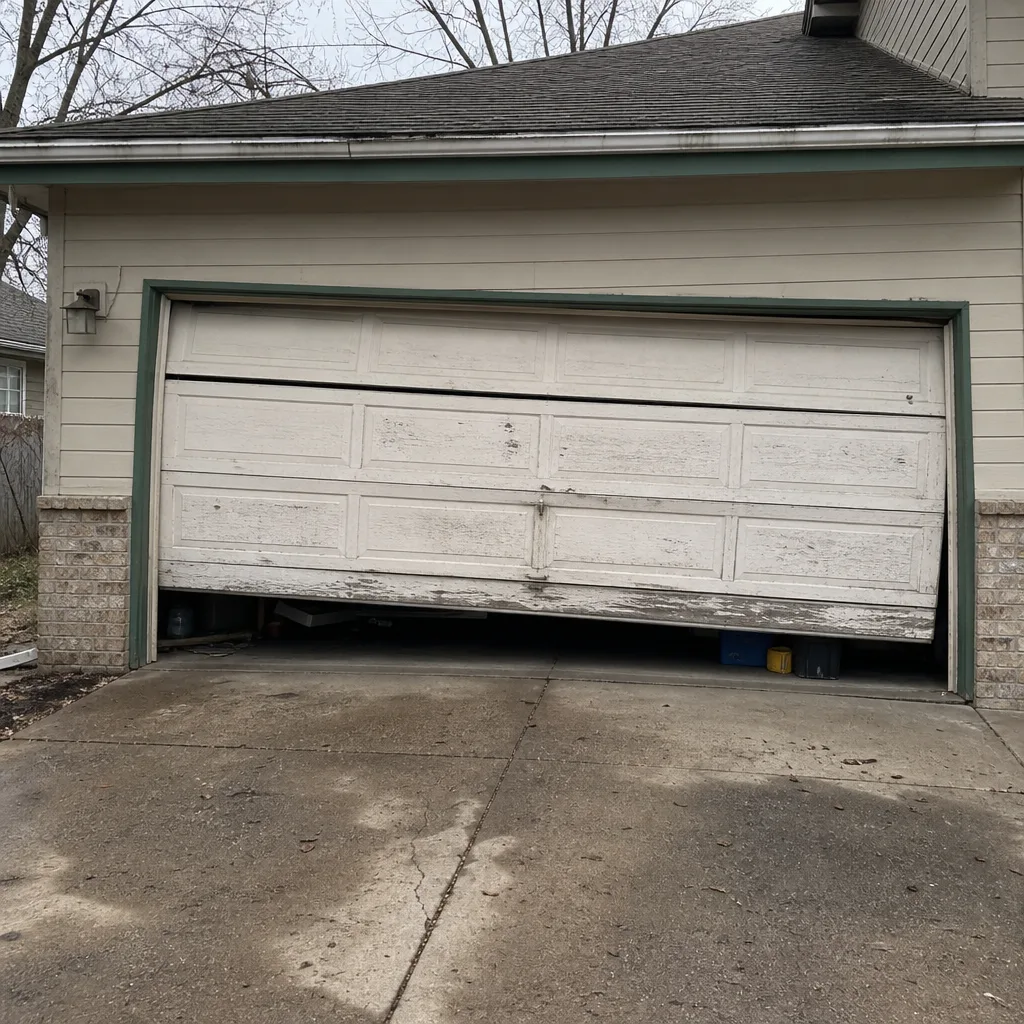 Before
 After
 Before
 After
 Before
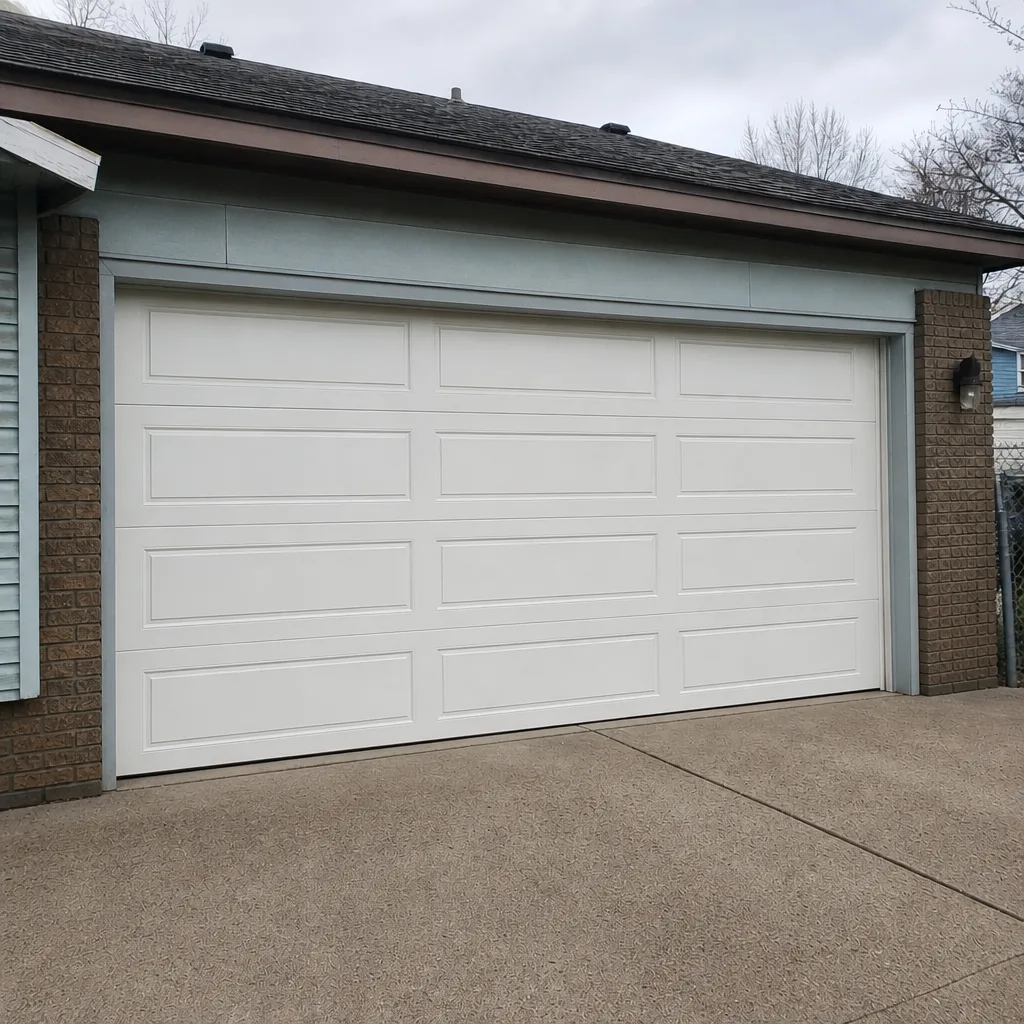 After