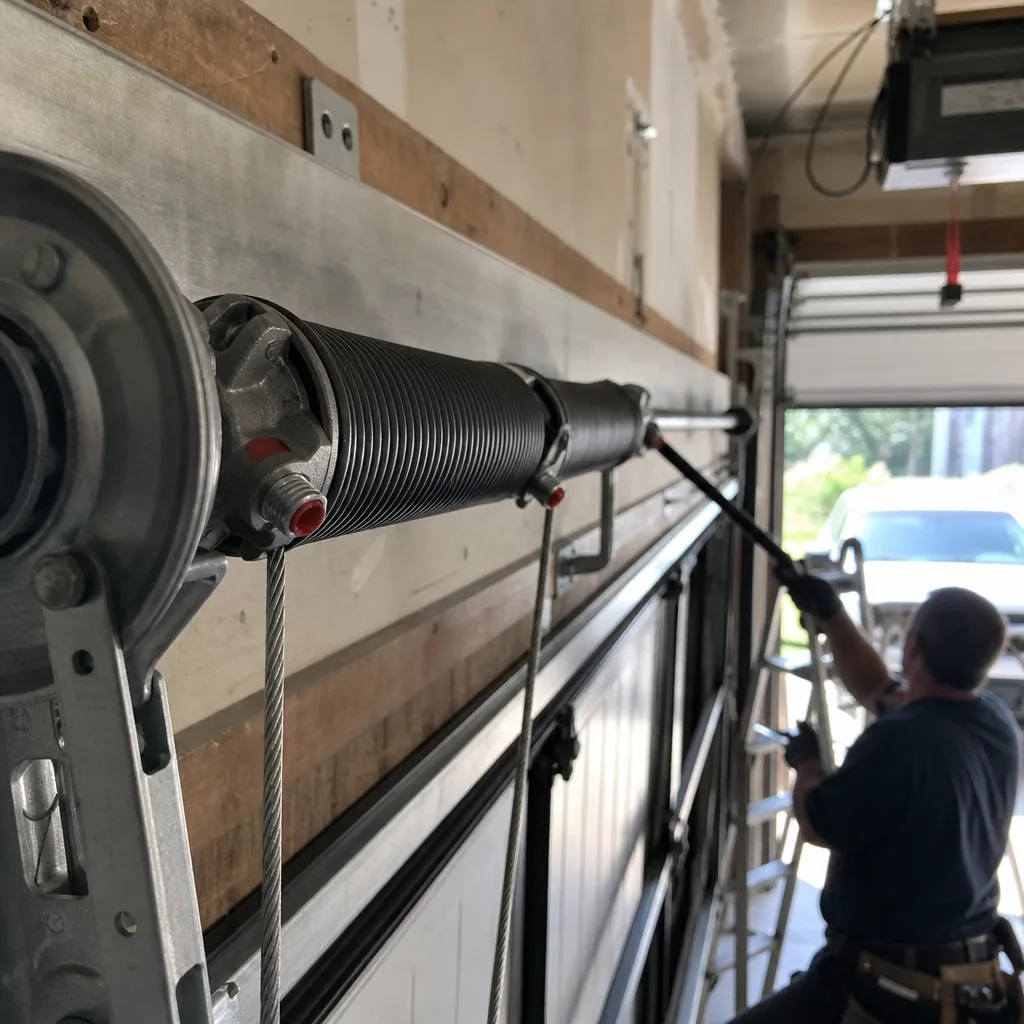
Last updated November 21, 2026
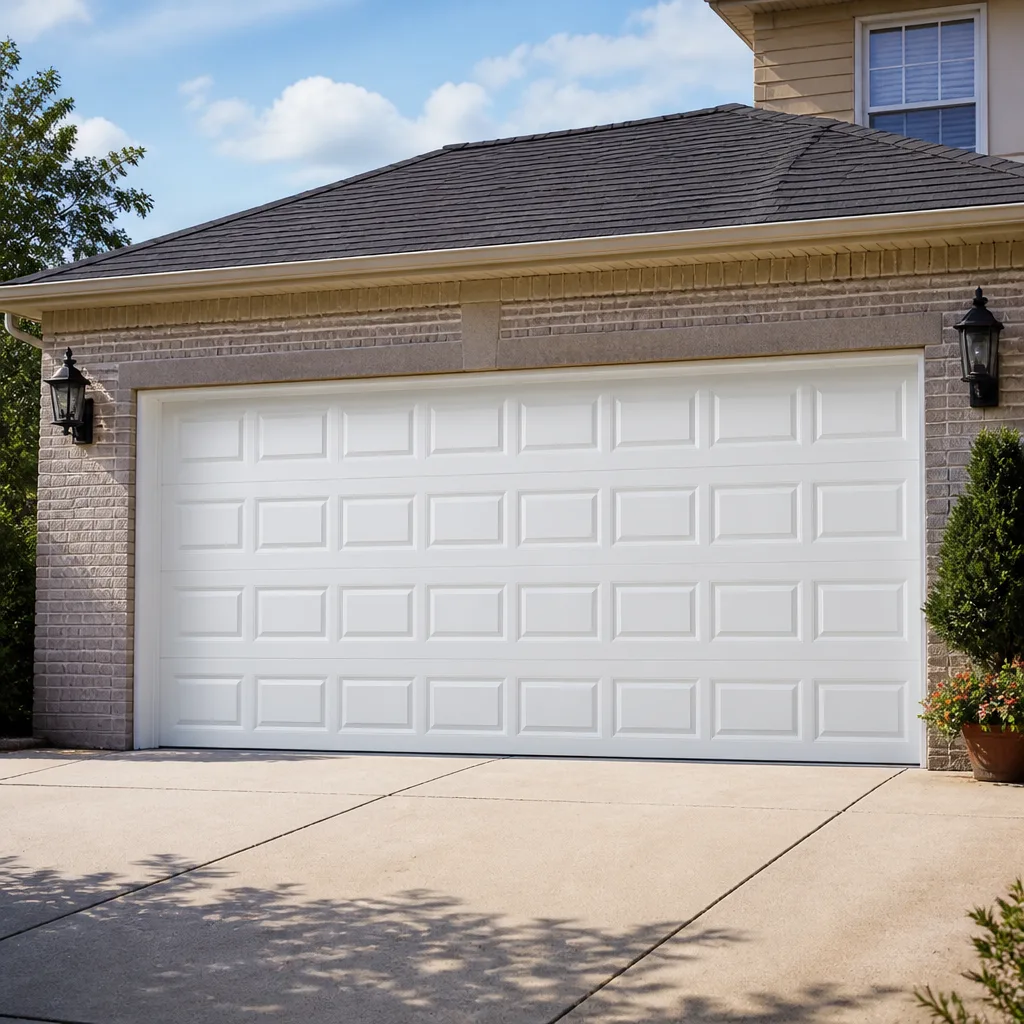 Raised-panel steel
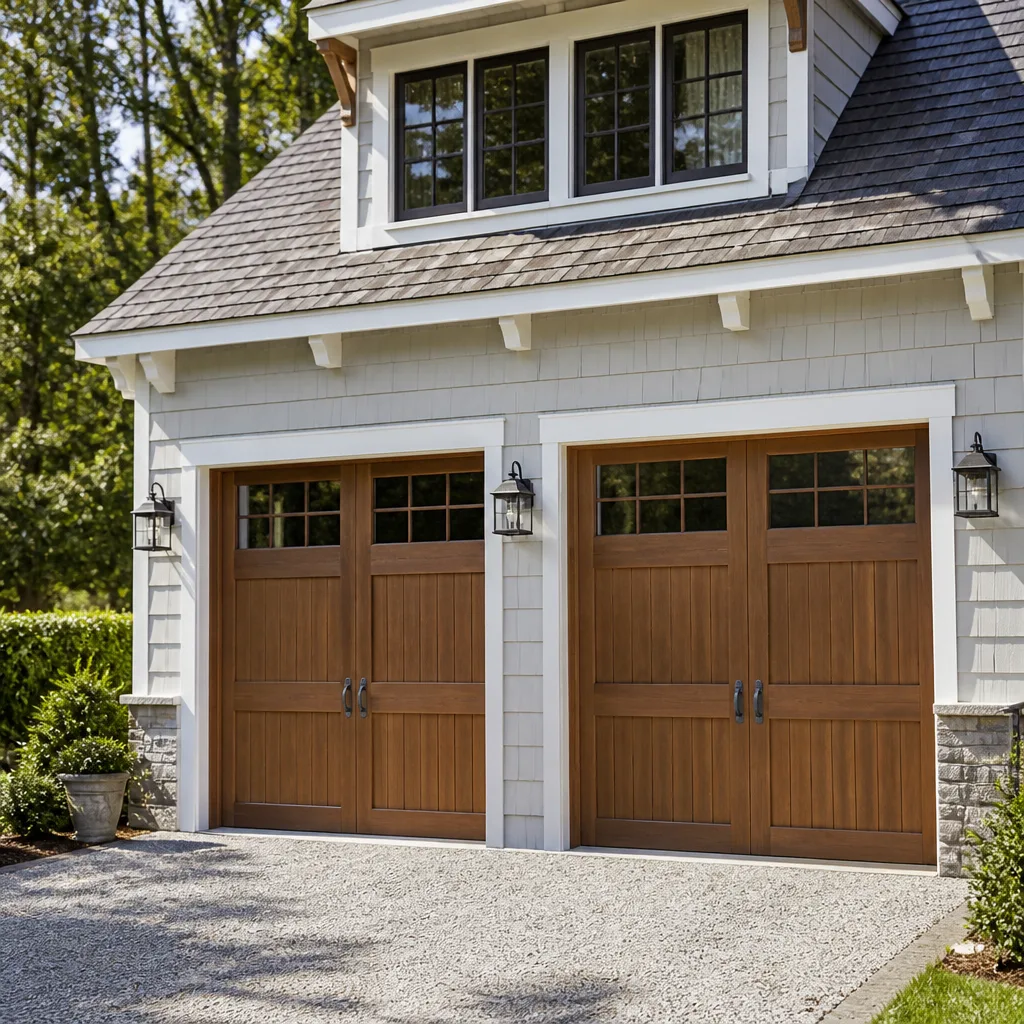 Carriage house
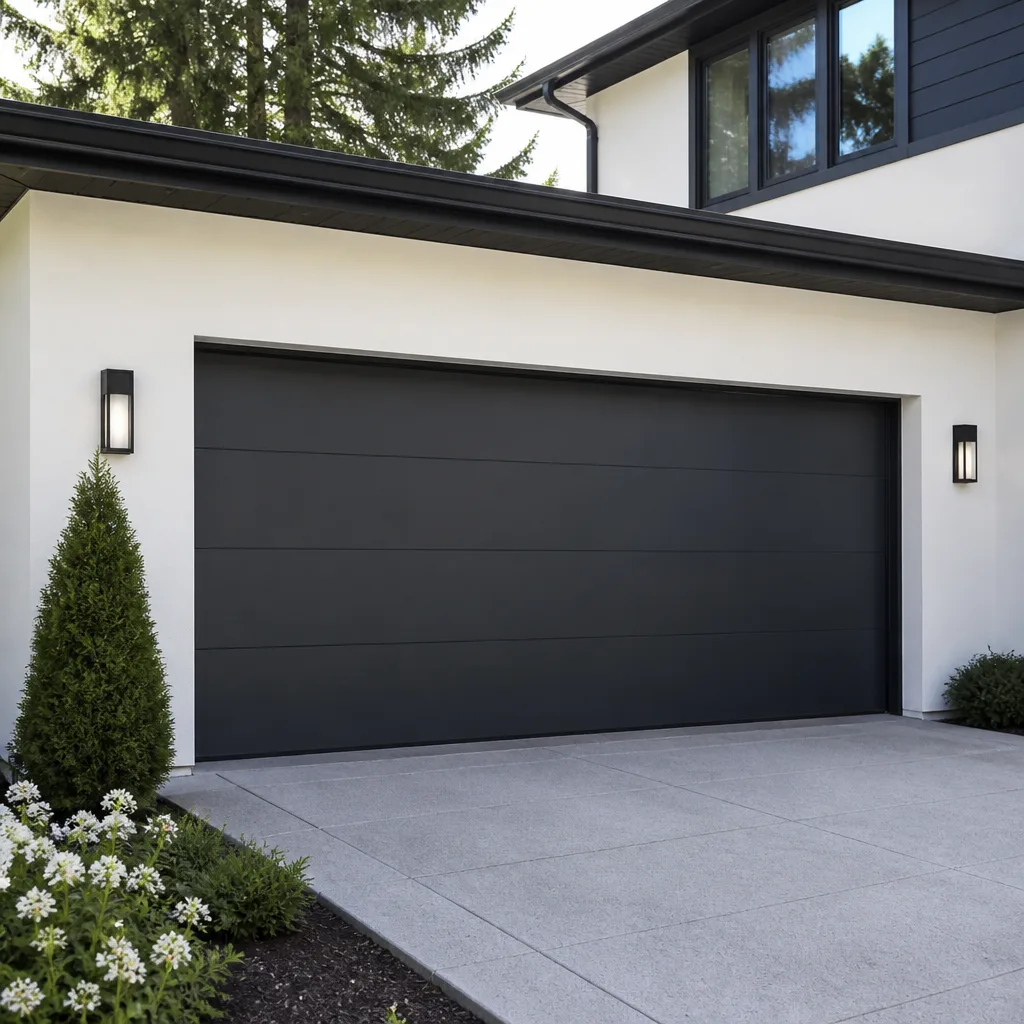 Modern flush
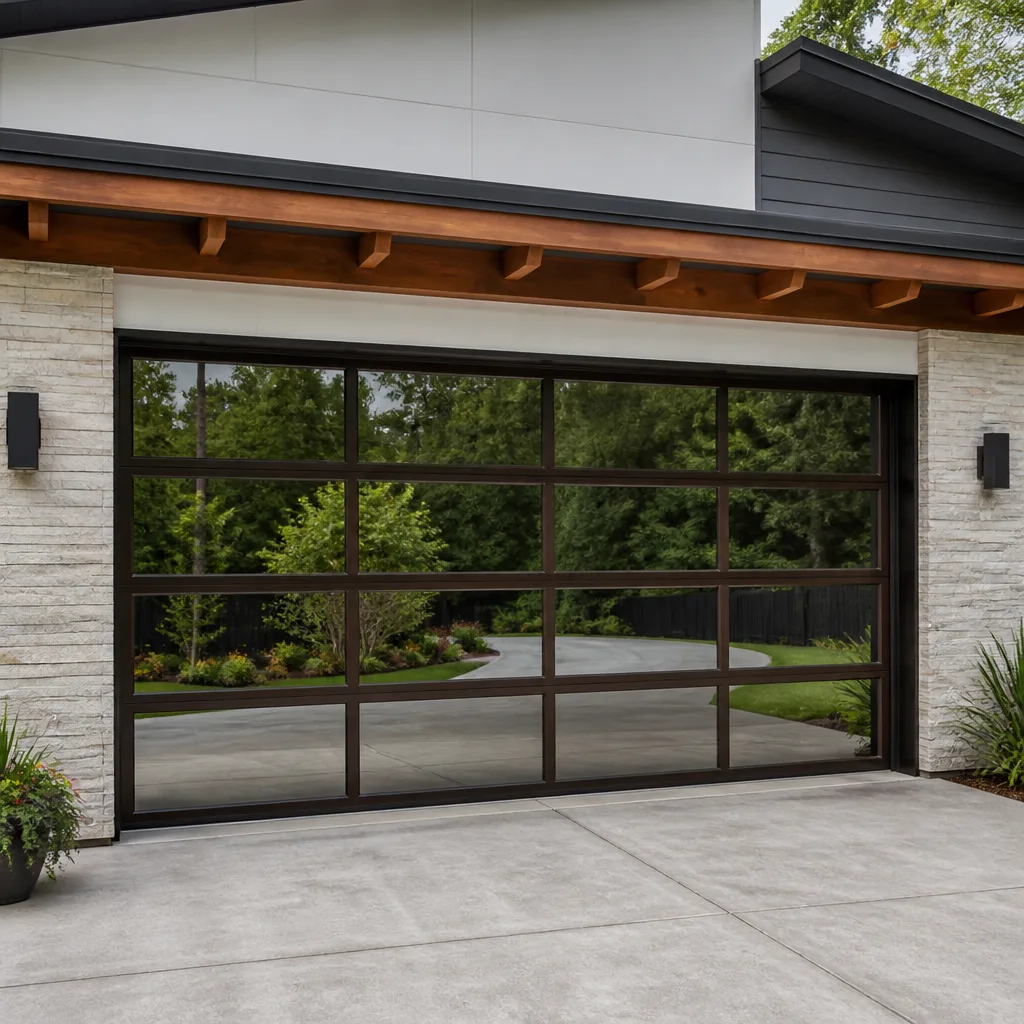 Full-view glass
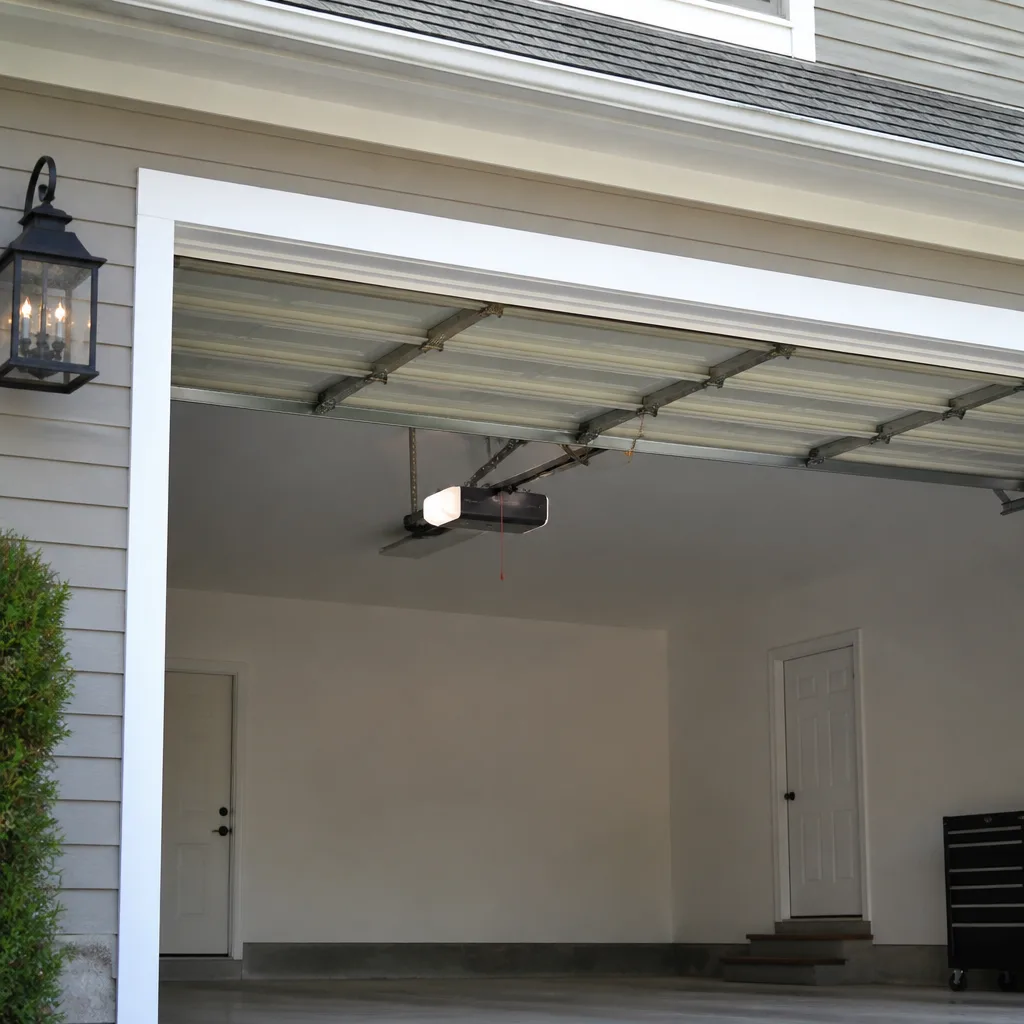 LiftMaster openers
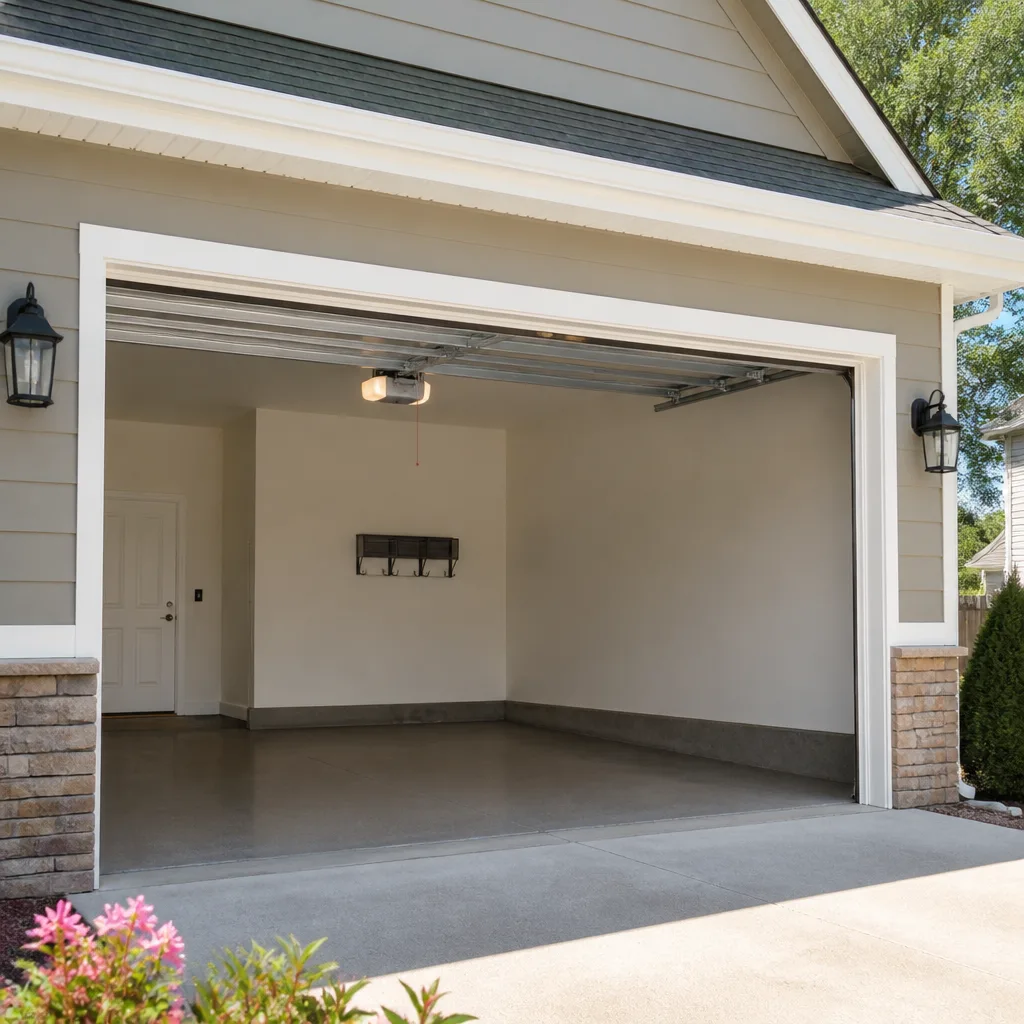 Chamberlain openers
Full 25-point door and opener safety check with every visit - springs, cables, rollers, tracks, and your LiftMaster or Chamberlain opener included
You get a price before we start. It does not change when the pro arrives.
Get your free estimateChoosing the Right Garage Door Brand: A Buyer’s Guide for Blaine
The brand that dominates the floor displays at home improvement stores is not the brand we see still running at year fifteen on doors across Blaine. That gap surprises homeowners, and it should. Showroom appeal and long-term serviceability are two different things, and the second one is what you live with. We repair springs, openers, panels and full doors on every major brand, so we don’t have a dealer agreement pushing us toward one label. This guide is what we’ve learned choosing brands from the repair side of the business: what holds up, what’s easy to get parts for in the Twin Cities, and how to tell whether a recommendation is about your house or someone’s inventory. By the end you’ll have a real framework for picking a door and opener that fit how a garage in Blaine actually gets used.
Quick Answer
There’s no single best garage door brand for Blaine, but there is a best fit for your house. A well-supported steel door from Clopay, Amarr, Wayne Dalton or Raynor with a LiftMaster or Chamberlain opener is the combination that holds up best to Minnesota cold, road salt and daily cycles, largely because parts are easy to source locally. Brand matters less than gauge, insulation, opener pairing and who installs it.
Styles & brands we work with
- Raised-panel steel
- Carriage house
- Modern flush
- Full-view glass
- LiftMaster openers
- Chamberlain openers
Table of Contents
- The Three Factors That Actually Decide Brand Quality
- Opener Brands vs. Door Brands: Why Mismatches Cause Callbacks
- What Insulation R-Values Really Mean in Blaine’s Climate
- Steel Gauge and Finish Durability for Minnesota Roads and Humidity
- How to Spot a Biased Brand Recommendation
- Brand-by-Brand Notes We’ve Gathered in the Field
- A Step-by-Step Way to Choose Your Door and Opener
The Three Factors That Actually Decide Brand Quality
A service technician judges a brand by three things a showroom never tests: parts availability in the Twin Cities market, cold-weather performance, and how the real cycle life compares to the rated cycle life. Those three carry more weight than any brochure claim.
1. Parts availability in the Twin Cities market
Every brand sells doors. The difference shows up five years later when a torsion spring, a hinge, a roller or a bottom seal needs replacing. Brands with broad distributor coverage across the Twin Cities metro mean a part is a short trip away. Brands with thinner local supply can mean a wait or a workaround. When you pick a door in Blaine, ask how quickly the local pro can get common wear parts for that specific model, not just the brand name.
2. Cold-weather performance
Minnesota winters stress a garage door system in ways a mild climate never does. Steel contracts, seals stiffen, lubricant thickens, and springs work against temperatures that swing hard between seasons. We look for brands whose weather stripping, bottom seals and hardware hold their flexibility when it’s cold. A door rated well on paper still needs seals and hardware that survive a Blaine January.
3. Real cycle life vs. rated cycle life
Springs and openers carry cycle ratings, and those ratings assume a certain balance, lubrication and alignment. In practice, a door that’s out of balance chews through springs faster than the rating suggests, no matter the brand. The lesson: a good brand installed and balanced correctly will outlast a premium brand installed poorly. Cycle life is a system outcome, not a single-brand promise.
Here’s how the three factors stack up in practice:
- Highest impact: correct installation and balance, which affects every brand equally.
- Second: local parts availability, which decides how fast a repair happens.
- Third: the brand’s own hardware and seal quality, which decides how long the first repair takes to arrive.
Opener Brands vs. Door Brands: Why Mismatches Cause Callbacks
Most callbacks we see aren’t a single brand failing. They’re a mismatch between the door and the opener, or between the opener and how the door was set up. The opener and the door are two separate purchases, and they need to be chosen to work together.
A heavy, well-insulated door needs an opener rated to lift it. A lighter door paired with an oversized opener can slam or over-torque. Safety sensors, travel limits and force settings all have to match the actual weight and balance of the door hanging above them. When a homeowner buys a door from one source and an opener from another, that handoff is where problems start.
Why it pays to match the opener to the household
LiftMaster and Chamberlain dominate the residential opener conversation for good reason: broad parts support and a wide service network. Genie is a solid alternative if it’s already in place. Craftsman openers, common on older doors around Blaine, are still serviceable, and we keep the diagnostic know-how to work on them rather than pushing a replacement. That full-system view is why we handle garage door opener repair alongside the door itself: diagnosing an opener without checking the door’s balance is only half a diagnosis.
When a mismatch shows up
- The door reverses or stops partway because force limits were set for a different door.
- The opener strains because the door’s springs are worn and the opener is doing the lifting.
- Safety sensors trip intermittently because the light beam is misaligned with the door’s travel.
- Remote and wall controls behave inconsistently because two brands’ logic boards don’t share a signal cleanly.
What Insulation R-Values Really Mean in Blaine’s Climate
R-value measures resistance to heat flow. In an attached garage in Blaine, that number matters most for the rooms above and beside the garage, not for the garage itself. A higher R-value slows heat loss from a heated house into a cold garage, which helps the rooms sharing a wall stay comfortable.
Insulation pays off in this order:
- An attached garage with living space above or beside it: the R-value matters most here, because the door is a large, cold surface against heated rooms.
- A workshop or gym garage: insulation helps if you’re trying to hold some warmth while you’re out there, but it won’t heat the space on its own.
- A detached, unheated garage: insulation does the least here, because there’s no heated space to protect.
Where the diminishing returns hit
Insulation value climbs with thickness and construction, but each step up costs more and delivers less additional comfort. Past the mid-range of insulated doors, you’re paying for marginal gains that most Blaine homeowners won’t feel in the house. The decision usually comes down to whether you’re protecting heated living space above the garage. If you are, spend on insulation. If you’re not, put that money toward better hardware, a stronger opener, or correct installation instead.
Steel Gauge and Finish Durability for Minnesota Roads and Humidity
Minnesota gives a garage door two things to survive: humid summers and road salt tracked onto the door, the floor and the hardware through the winter. Steel gauge and finish quality decide how well a door handles both.
Here’s what to weigh:
- Gauge: lower gauge numbers mean thicker steel. Thicker steel resists dents and holds its shape, which keeps the door running smoothly and the seals tight.
- Finish: a factory-applied finish with a baked-on coating holds up better than a field-painted door, and it resists the humidity swings of a Minnesota summer.
- Hardware and fasteners: hinges, rollers and fasteners that resist corrosion matter as much as the panel itself. Road salt reaches them and they wear faster than the steel.
- Bottom seals and weather stripping: these take the worst of the salt and moisture off the floor. Replacing them is cheap compared to a rusting bottom section, so look for a door whose seals are easy to source locally.
Wood and wood-composite doors look excellent, but in a humid-then-freezing climate they demand more upkeep to stay sealed. Steel is the low-maintenance choice for most Blaine homes, and Clopay, Amarr, Wayne Dalton and Raynor all offer steel lines worth comparing on gauge and finish.
How to Spot a Biased Brand Recommendation
Most brand comparisons online are written by dealers with single-brand relationships. That’s not dishonest, but it’s a filter, and it’s worth knowing how to see through it. A recommendation is only useful if it’s about your house.
Ask these questions before you commit:
- “How long would it take you to get a replacement spring or panel for this exact model?” If the answer is vague, parts support is thin.
- “Why this door and not another brand’s comparable model?” A good answer talks about gauge, insulation, size and use. A weak answer repeats marketing.
- “How many of this brand have you installed and serviced?” Experience with the actual product beats brand reputation.
- “What does this door weigh, and what opener will you pair with it?” This reveals whether they’re thinking about the whole system.
- “Do you service this brand after the sale?” If they only install, you’ll be hunting for a second contractor for repairs.
The honest-signal test
A pro who services multiple brands will tell you plainly when a cheaper door will do the job, and when paying more actually buys something. They won’t push the brand they have in stock. That flexibility is the clearest sign the recommendation is about your door, not their inventory. It’s also why we work across eight brands rather than one: your existing door or opener shouldn’t dictate who can fix it.
Brand-by-Brand Notes We’ve Gathered in the Field
We work on LiftMaster, Chamberlain, Genie, Clopay, Amarr, Wayne Dalton, Craftsman and Raynor, and the honest summary is that each has strengths worth matching to your situation. Here are the notes we’d share with a neighbor in Blaine.
Wayne Dalton
Wayne Dalton covers a wide range of residential styles, including models that work well for homeowners who want a traditional look on a standard opening. Finish and panel options are broad, which makes it a frequent choice for Blaine homes matching an existing neighborhood aesthetic.
Clopay and Amarr
Both are strong on steel construction, gauge choices and insulation options. If you’re weighing a mid-range insulated door for an attached garage, these two are where most comparisons land, and both have reasonable local parts support.
Raynor
Raynor builds solid steel doors with a reputation for durable hardware. We see them on homes where the original door has held up well, and parts support in the metro is workable.
Craftsman
Craftsman appears most often in the opener world, and older Craftsman openers are still common on Blaine doors. They’re serviceable, and we diagnose them rather than steering every homeowner to a full replacement. If the rest of the system is sound, that’s often the right call.
LiftMaster and Chamberlain
On the opener side, LiftMaster and Chamberlain are the two we see most and the two with the broadest parts and service support. Pairing either with a well-chosen door is a durable combination. Genie remains a sensible option if it’s already installed.
A Step-by-Step Way to Choose Your Door and Opener
Here’s the sequence we’d walk a Blaine homeowner through, from sizing to scheduling. Work through it in order and the brand decision gets much simpler.
- Measure the opening, not the old door. Door sizes have tolerances, and the opening is what the new door must fit. Get the width, height and headroom right before anything else.
- Decide how the garage is used. Attached, heated home? Spend on insulation. Detached and unheated? Prioritize gauge, hardware and a reliable opener instead.
- Choose steel gauge and finish for the climate. Thicker steel and a factory finish hold up better to Minnesota humidity and road salt.
- Pick the opener to match the door’s weight. Match the opener rating to the actual door, and plan to have the same pro service both.
- Screen the dealer with the questions above. Check parts availability, experience with the model, and whether they service what they install.
- Get a written estimate before work starts. The estimate should list the door model, gauge, insulation, opener, and installation: the whole system, not just the door.
If a door is already failing, ordering a brand can often wait until you know why it failed. A worn spring or an off-track roller may be the real problem, and garage door repair may be the more sensible first step than a full replacement. Our team can diagnose the actual cause before you commit to a brand decision, and we’re happy to walk you through garage door spring repair options if that’s what the door needs.
Common Mistakes to Avoid
- Buying on showroom looks alone. A door that photographs beautifully can have thin parts support five years out. Judge on parts availability and hardware, not just finish.
- Mismatching the opener to the door. An overpowered or underpowered opener shortens the door’s life and causes callbacks. Match the opener to the door’s actual weight and balance.
- Overpaying for insulation in an unheated garage. If the garage is detached and cold, high R-value buys you little. Put that money toward hardware and installation instead.
- Ignoring the bottom seal and weather stripping. These take the road salt and moisture that ruin a door’s bottom section. Choose a door whose seals are easy to source in the Twin Cities.
- Trusting a single-brand recommendation without checking parts. Ask how fast a replacement spring or panel arrives for that exact model. A vague answer is a red flag.
- Skipping the balance check after installation. Even a great brand installed out of balance wears out faster. Have the balance verified before you accept the work.
- Replacing a door when a repair will do. A failing spring or off-track door isn’t always a new-door situation. Diagnose the cause first.
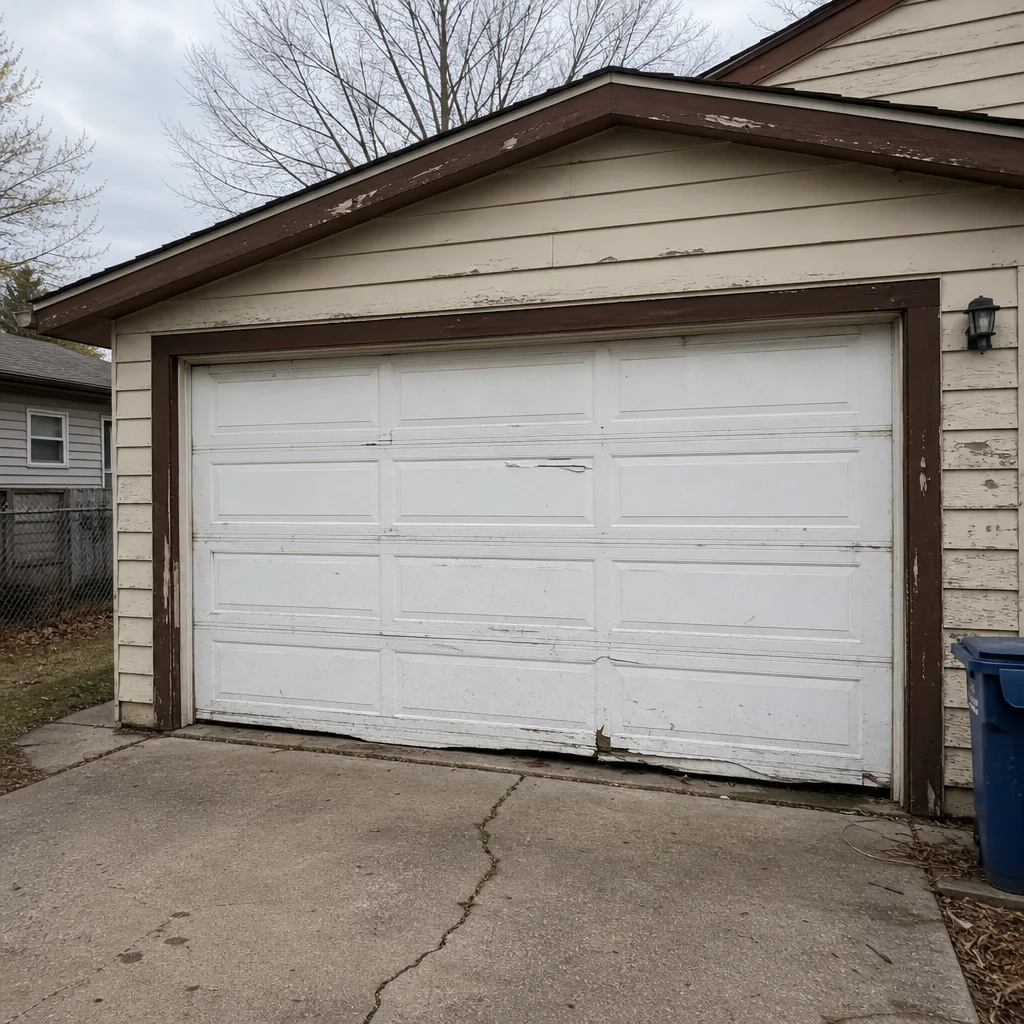
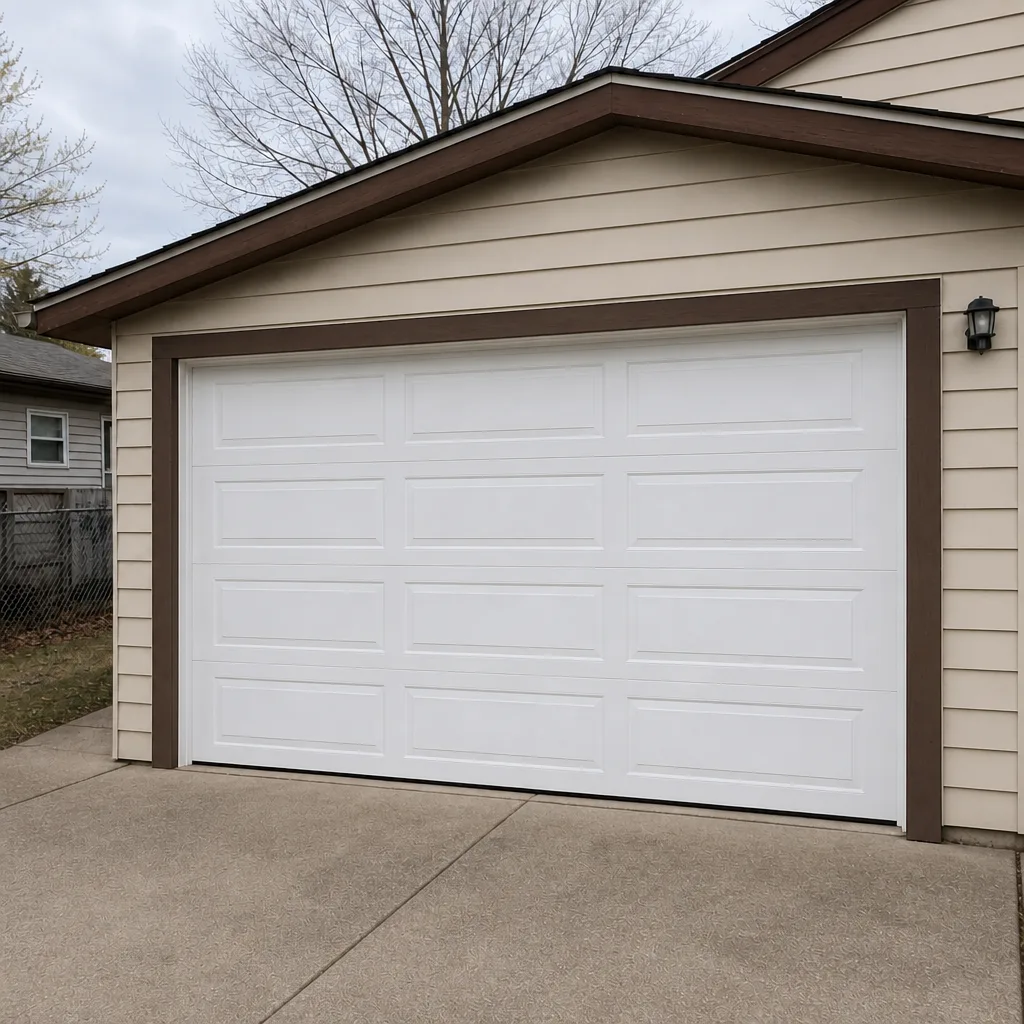
See the difference
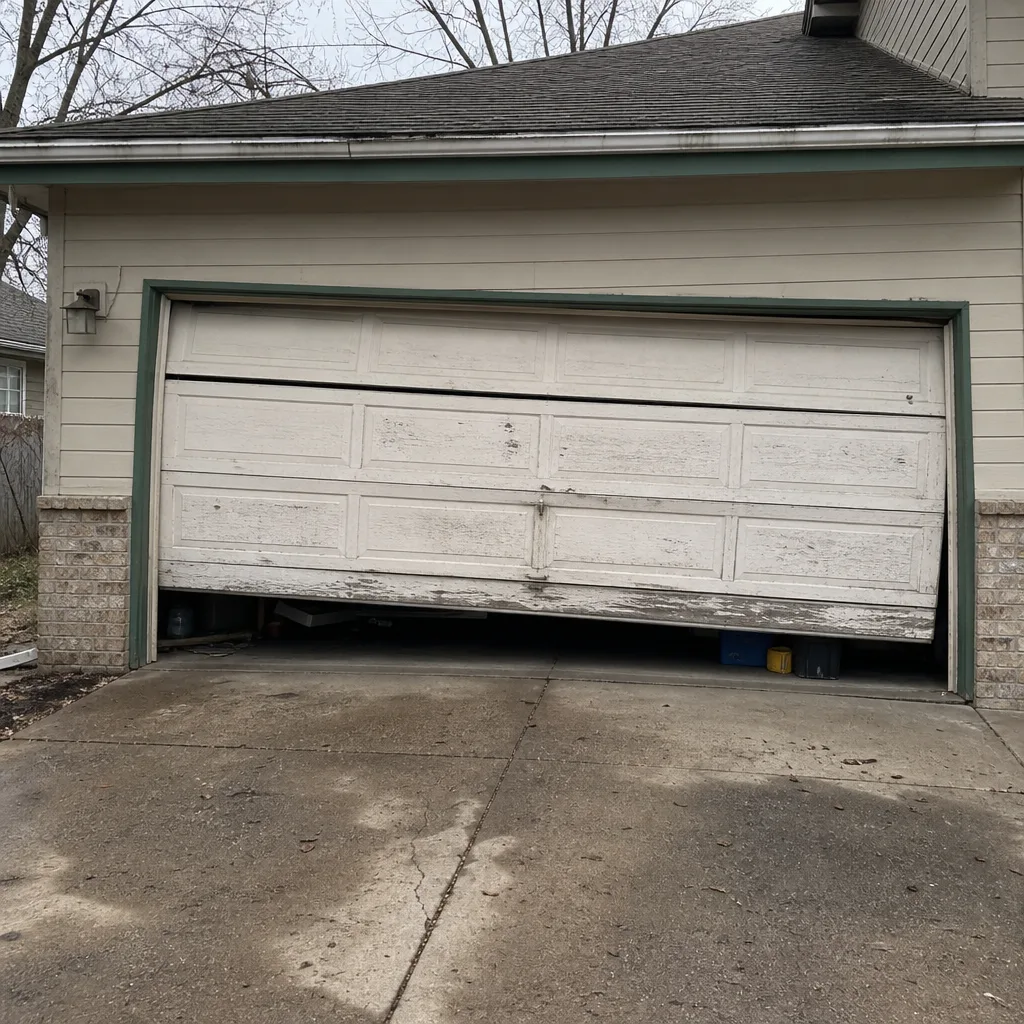 Before
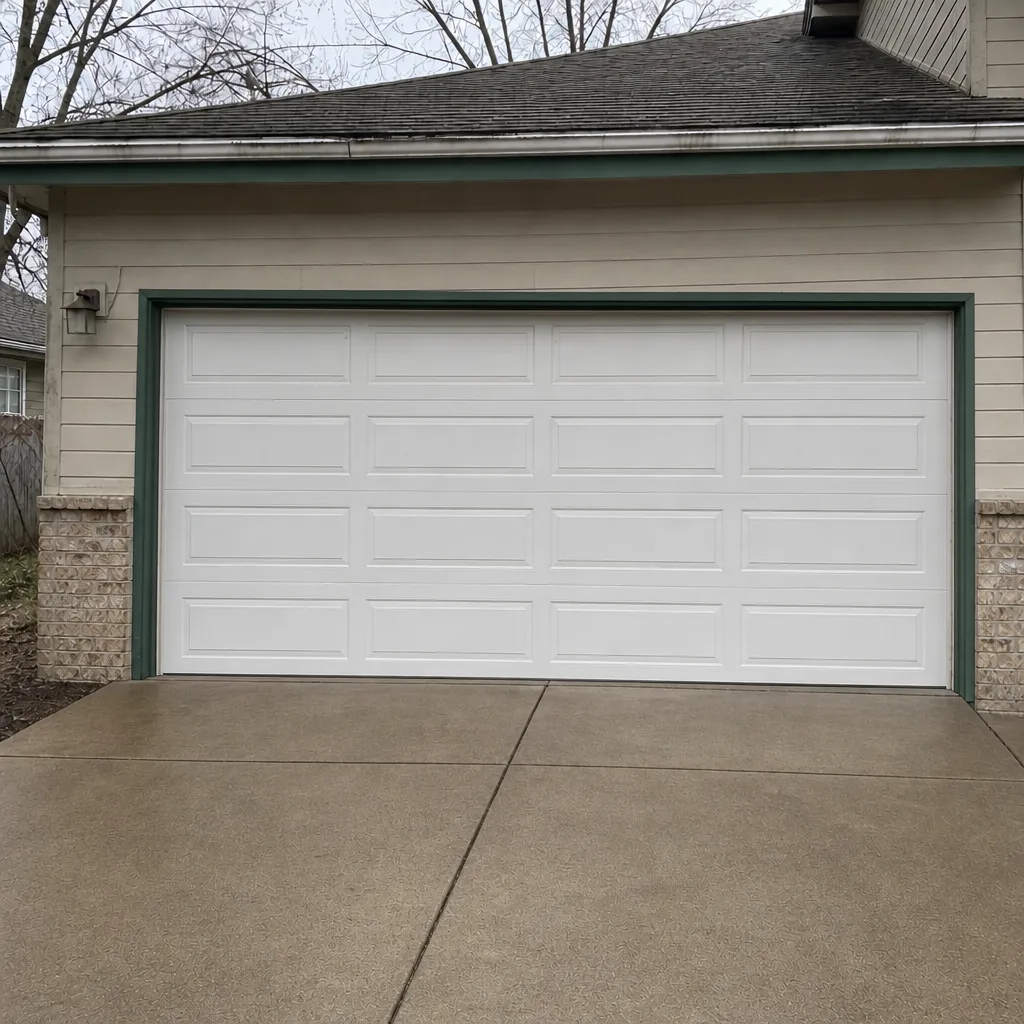 After
 Before
 After
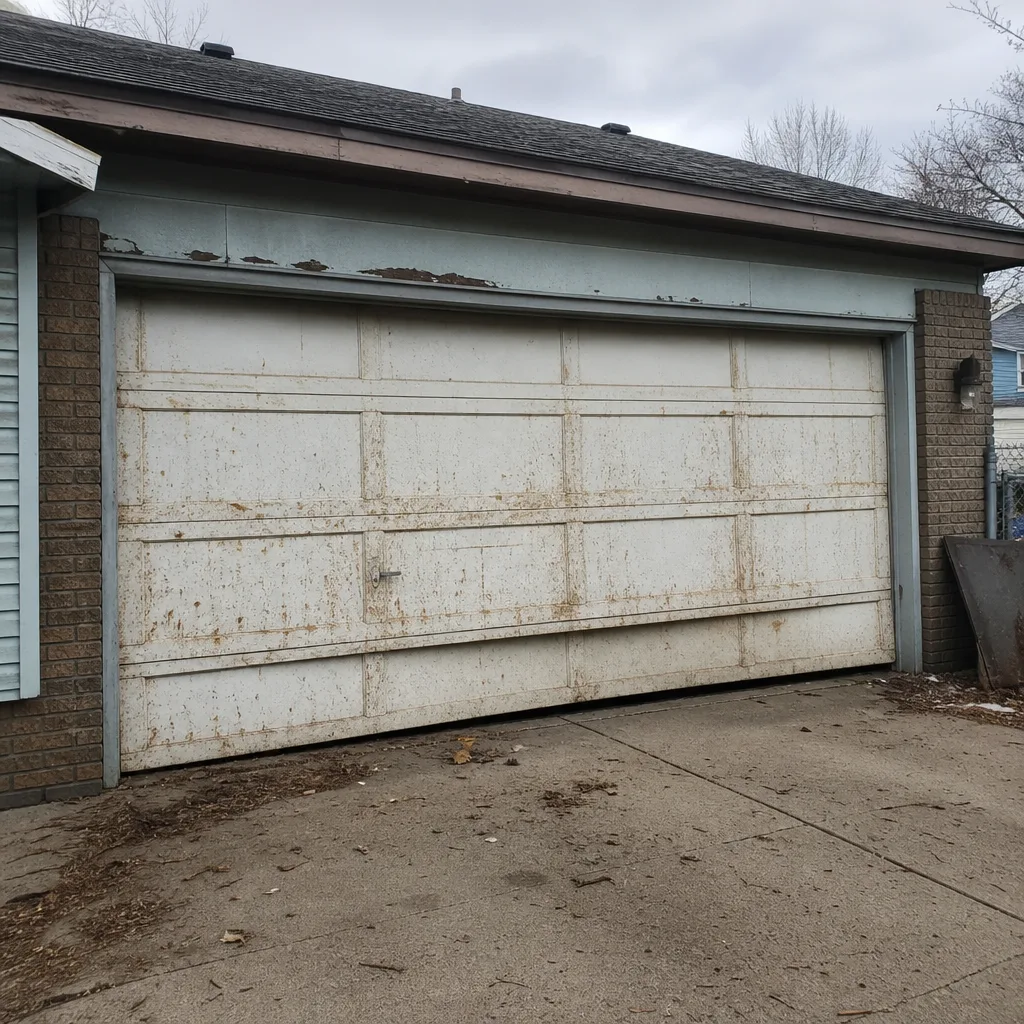 Before
 After
When to Call a Professional
Some brand decisions and door problems are best left to a pro. Call us when the door is binding or off-track, when a spring has snapped or is visibly worn, when the opener strains, reverses or won’t respond, or when the door won’t secure and leaves the house open. We also handle the cases where a brand choice needs a real answer: an existing door from a legacy brand, an opener whose parts aren’t obvious, or a full replacement you want measured and priced correctly before you commit. Springs and high-tension hardware are genuinely dangerous to work on without the right tools and training, so give those a wide berth. Blaine Garage Door Repair Co offers free estimates in Blaine, and our technicians have up to 14 years of experience. Call (855) 547-9108.
Frequently Asked Questions
There’s no single best brand, but a well-supported steel door from Clopay, Amarr, Wayne Dalton or Raynor paired with a LiftMaster or Chamberlain opener is the combination that holds up best to Minnesota cold and road salt. Parts availability in the Twin Cities and correct installation matter more than the label. Call (855) 547-9108 for a free estimate and we’ll help you match a brand to your house.
No, the brands don’t have to match, but the opener has to be rated for the door’s weight and balanced correctly. Mismatches cause more callbacks than any single-brand flaw. We service all major brands, so having them under one roof isn’t a problem.
Insulation matters most if you have heated living space above or beside the garage. For a detached, unheated garage, high R-value buys you little, so put the money toward better hardware and installation. A free estimate can help you decide where the diminishing returns land for your house.
Yes. Older Craftsman openers are common on Blaine doors and we diagnose and service them rather than steering every homeowner to a replacement. If the rest of the system is sound, repair is often the right call. Call (855) 547-9108 to book a diagnosis.
Permit rules for garage door replacement vary, so ask the City of Blaine’s building department before you order a door. The local pro handling the installation can usually tell you what the city requires for your specific project.
If the door is failing because of a worn spring, an off-track roller or a tired opener, a repair is usually the smarter first step before committing to a brand. We diagnose the actual cause first. For a brand decision, a free estimate in Blaine gets you a clear answer: call (855) 547-9108.
The Bottom Line
Brand matters, but it’s the third question, not the first. Choose a door by how it fits your opening, how your garage is used, and how thick its steel is. Then match the opener to the door and make sure you’re buying from someone who services multiple brands and can get parts locally. A well-supported steel door from Clopay, Amarr, Wayne Dalton or Raynor with a LiftMaster or Chamberlain opener is the dependable combination for most Blaine homes. Get the balance, seals and hardware right, and the brand decision takes care of itself.
Contact Us
Ready to settle the brand question for your own garage? Call Blaine Garage Door Repair Co at (855) 547-9108 for a free estimate. We work across every major brand, from springs and openers to full installations, and we’ll give you a straight answer about what your door actually needs.
Written by the team at Blaine Garage Door Repair Co. You can reach the team at Blaine Garage Door Repair Co through our Blaine Garage Door Repair Co page.