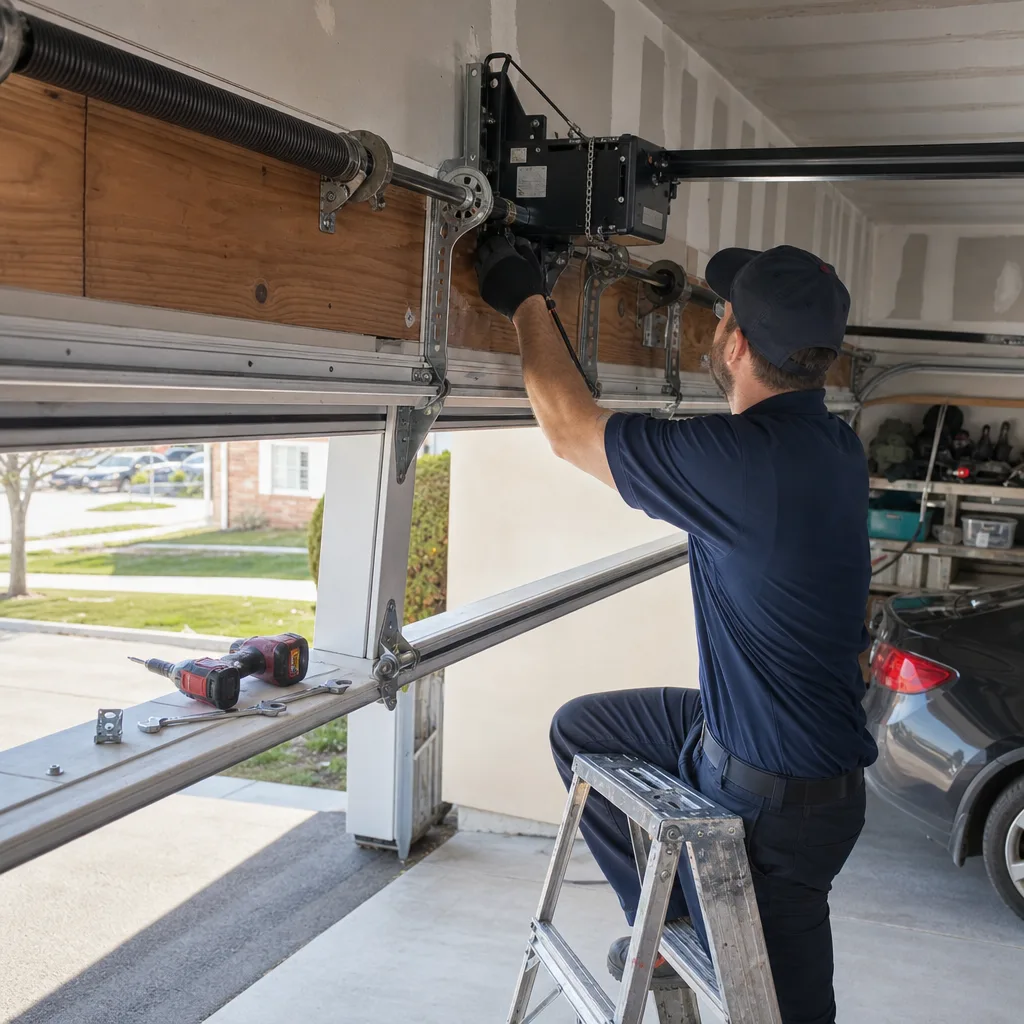
Last updated November 21, 2026
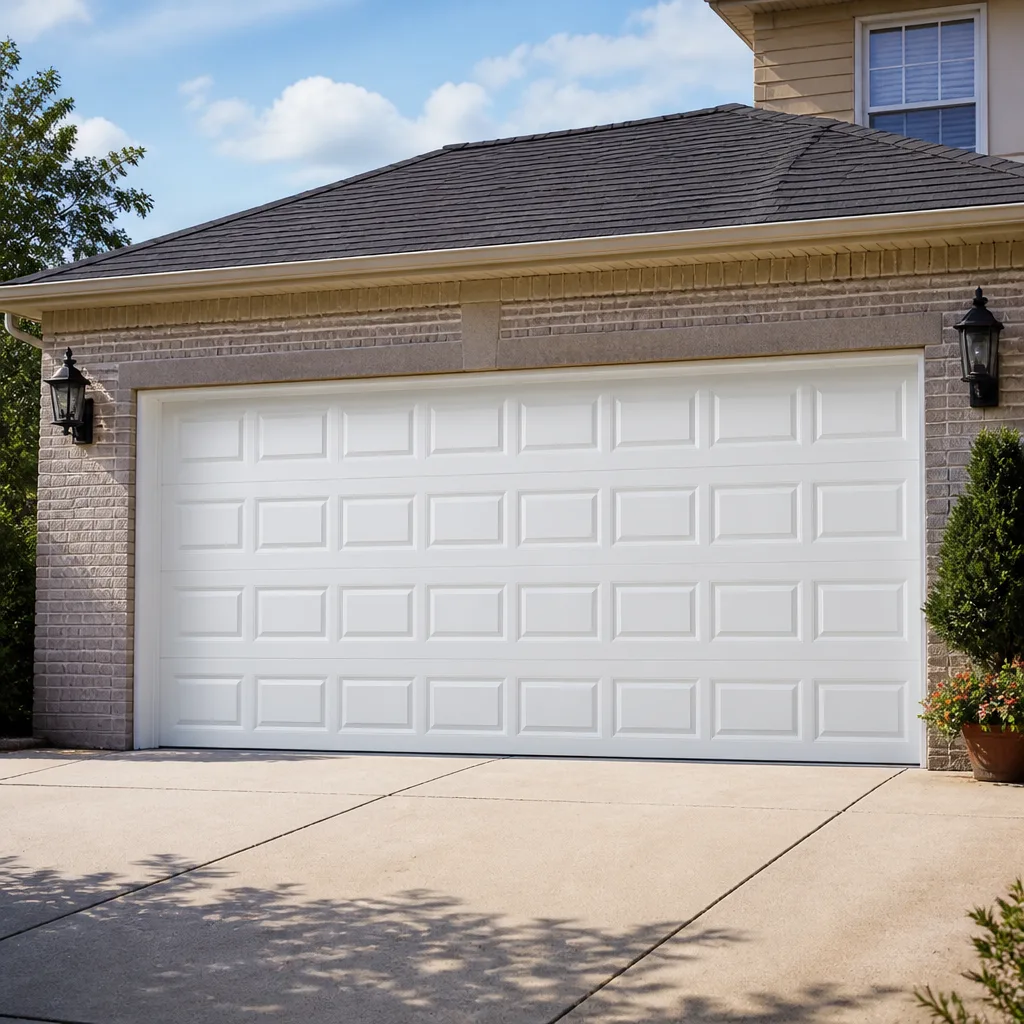 Raised-panel steel
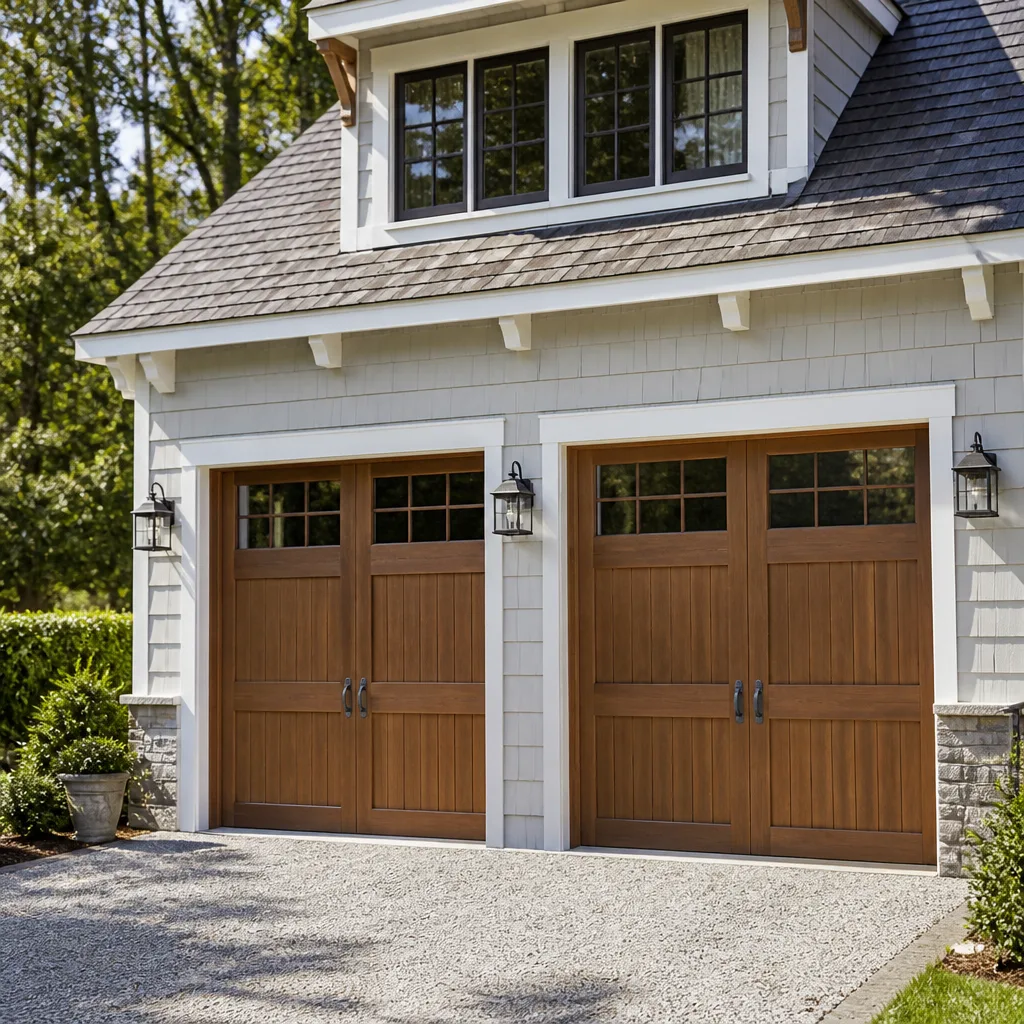 Carriage house
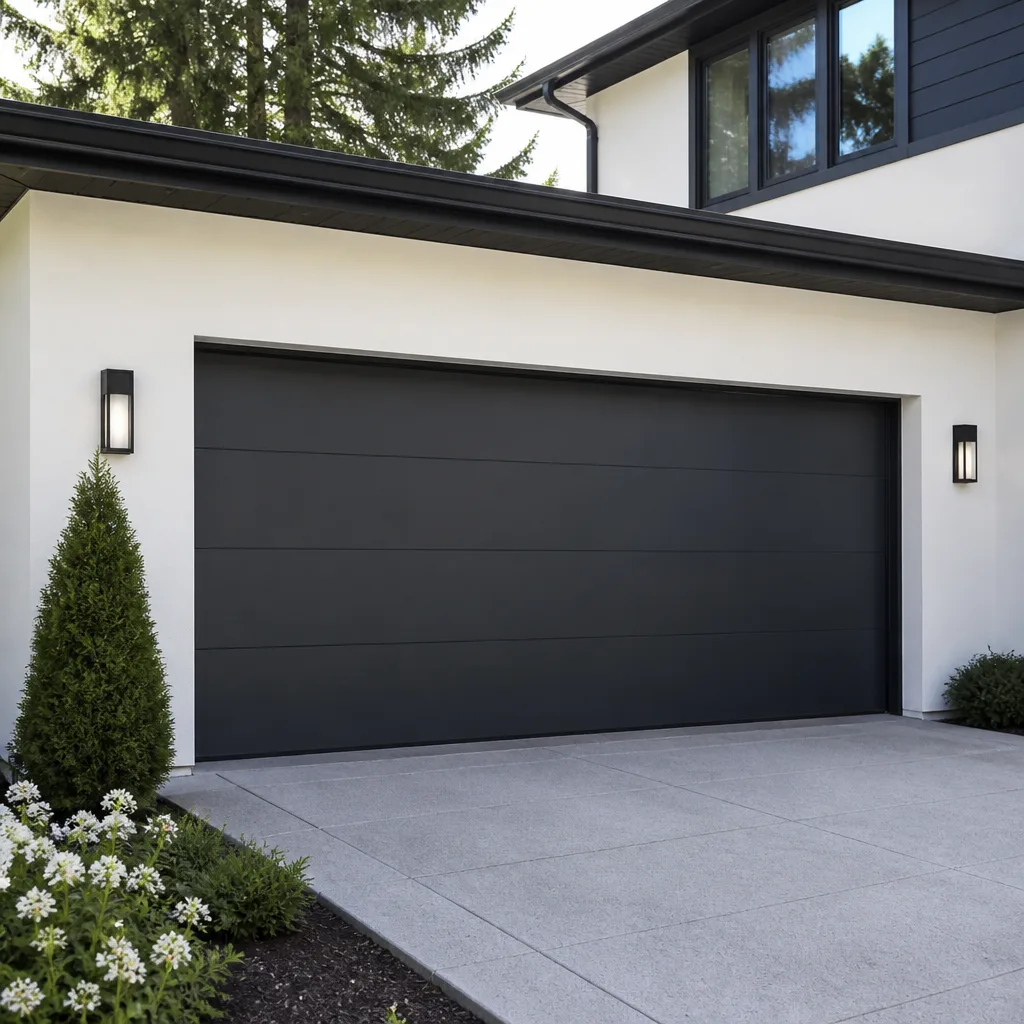 Modern flush
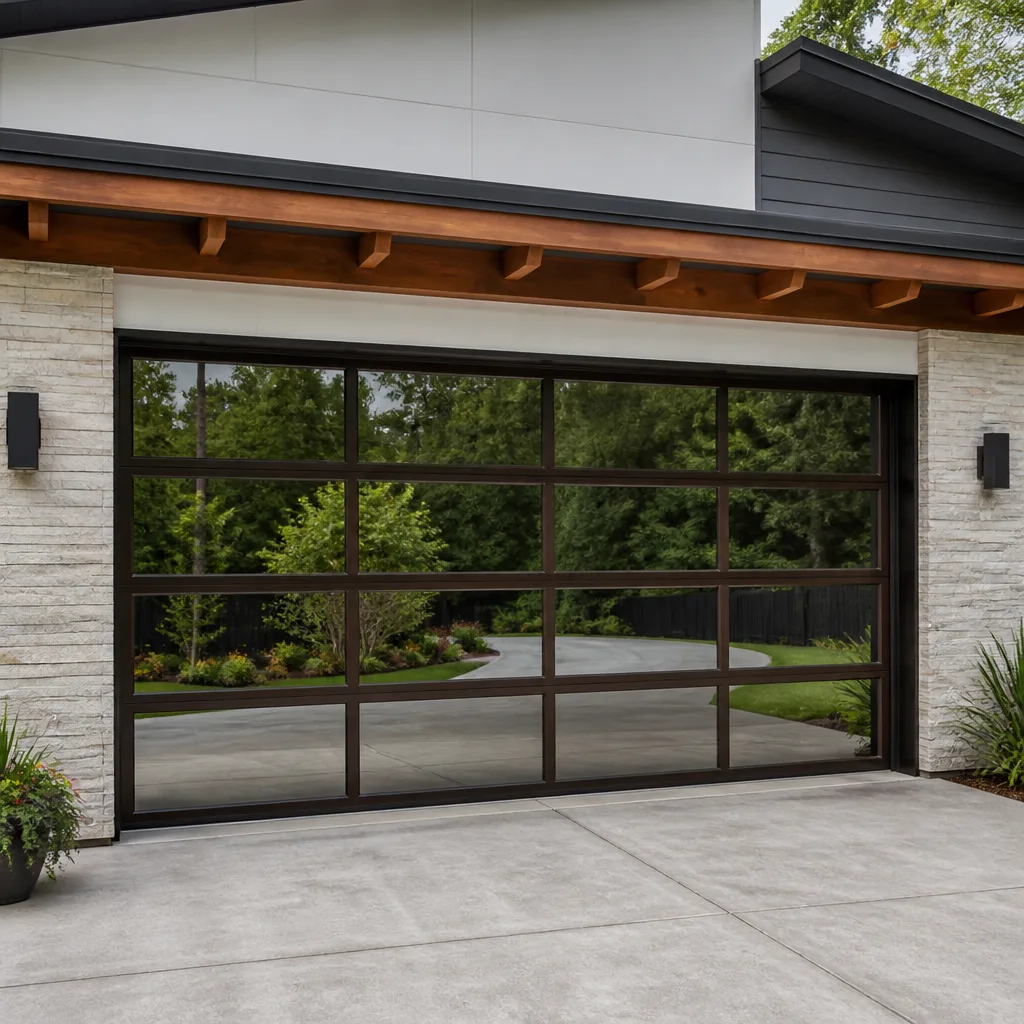 Full-view glass
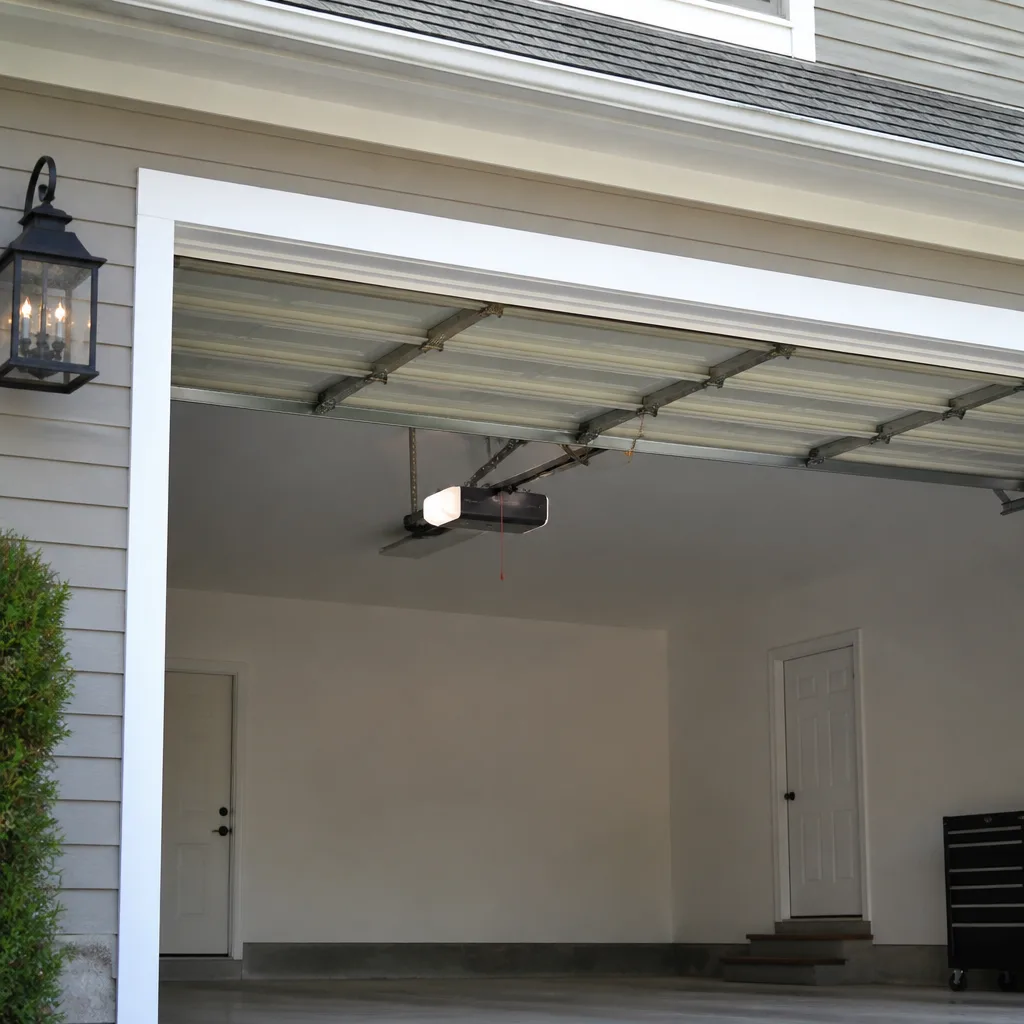 LiftMaster openers
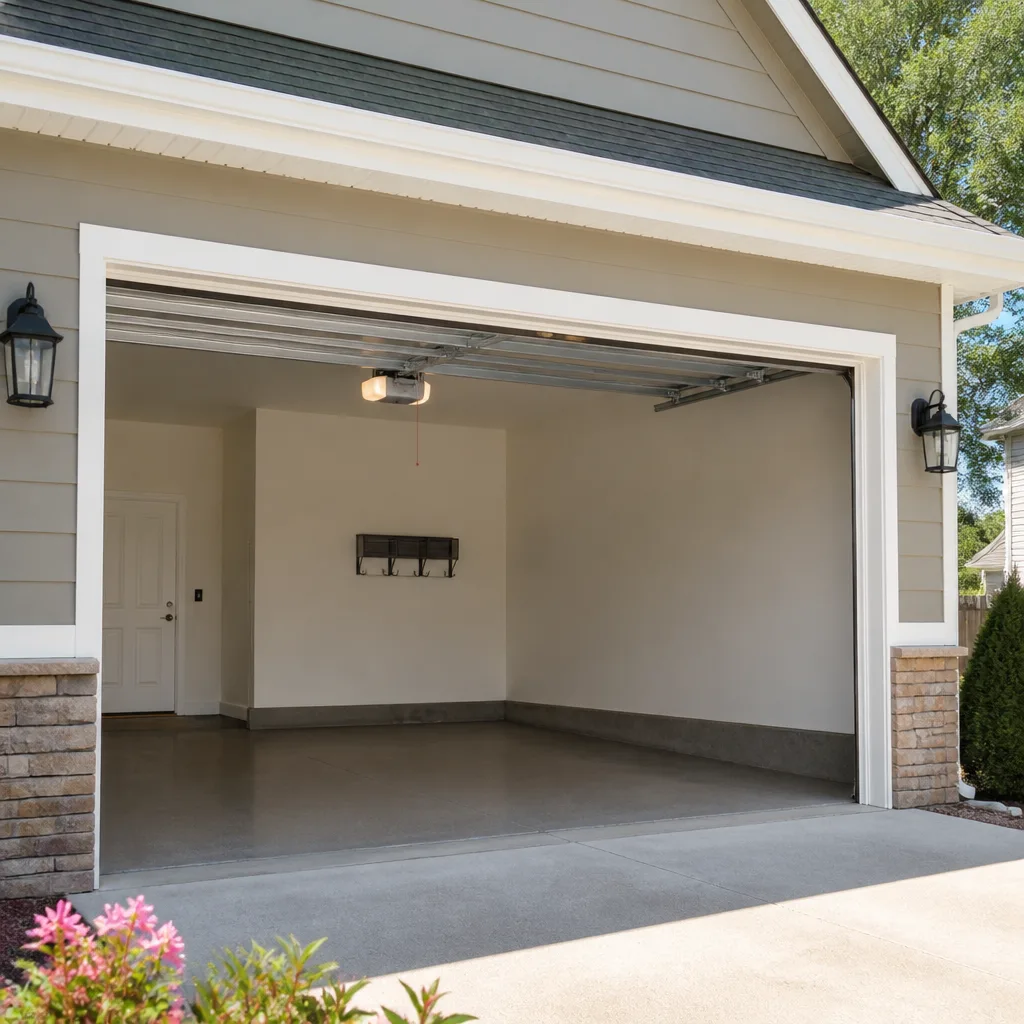 Chamberlain openers
Full 25-point door and opener safety check with every visit - springs, cables, rollers, tracks, and your LiftMaster or Chamberlain opener included
You get a price before we start. It does not change when the pro arrives.
Get your free estimateGarage Door Permits, Codes & Inspections in Blaine, MN: What You Need to Know
Most Blaine homeowners assume a garage door replacement is just a product swap: order the door, take the old one down, hang the new one. It isn’t always that simple. A garage door is part of your home’s exterior envelope, and in some cases it’s tied to structural framing, wind-load requirements and fire separation between the garage and the house. That’s why a door replacement can cross the line from “maintenance” into “construction work that needs a permit.” This guide cuts through the fog. You’ll learn when Blaine requires a permit, what Minnesota’s building code expects, what an inspection actually looks at, and how to protect yourself at resale.
Quick Answer
In Blaine, repairing a garage door – new springs, an opener, rollers, a single damaged panel, track realignment – generally doesn’t require a permit. A full door replacement, or any change to the opening, framing or header, can trigger a permit and inspection under the Minnesota State Building Code, and Blaine’s building department makes the final call on your specific project. When in doubt, call the city before the work starts.
Styles & brands we work with
- Raised-panel steel
- Carriage house
- Modern flush
- Full-view glass
- LiftMaster openers
- Chamberlain openers
Key Takeaways
- Repairs to existing doors and openers usually fall outside permit requirements.
- Full door replacements, opening changes and structural work often need a permit.
- The Minnesota State Building Code governs wind load, fire separation and egress – all relevant to a garage.
- Unpermitted work can surface during a home sale or insurance claim.
- Either you or your contractor can pull the permit; the contract should say which.
Table of Contents
- When does a garage door project need a permit in Blaine?
- Repair vs. replacement: where the line actually falls
- What the Minnesota State Building Code says about garage doors
- What an inspection actually checks
- What happens if work was done without a permit
- How permit history shows up at resale
- Who should pull the permit: you or the contractor?
- Why Blaine’s climate makes code compliance matter more
When does a garage door project need a permit in Blaine?
A garage door project in Blaine needs a permit when it changes the structure of the opening or replaces the door as a whole. Straight repairs to the door, the hardware or the opener usually don’t. The tricky part is that the line isn’t always obvious from the outside. A door swap that reuses the same track and header is often treated as a replacement; a door swap that involves new framing, a wider opening, or a structural header change is clearly construction work. Blaine’s building department is the authority on which category your project falls into, and a phone call before you order the door will save you a headache later.
Here’s a rough breakdown of how most projects land:
- Spring replacement: No permit. This is a repair to existing hardware.
- Opener replacement or repair: No permit. Electrical work tied to an existing circuit usually stays in repair territory, but new wiring needs a licensed electrician.
- Panel or section replacement: Usually no permit if it’s a like-for-like swap on the existing frame.
- Full door replacement, same size and same opening: Often permitted, depending on how the city reads the scope. Ask first.
- Enlarging or reshaping the opening, or changing the header: Permit required. This is structural work.
- New garage construction or an attached garage addition: Permit required as part of the larger project.
Our advice to Blaine homeowners is simple: if the project involves anything beyond swapping parts on the door you already have, ask the city. A five-minute phone call to Blaine’s building department beats a resale snag five years from now.
Repair vs. replacement: where the line actually falls
Repair keeps the door you have and replaces failed components. Replacement takes the whole door out and installs a new one. That’s the plain-English distinction, and it’s the one most code departments use when they decide whether a permit is in play. A snapped torsion spring, a burned-out opener, a bent bottom section after a bump with the car – these are repairs. A new door because the old one has rusted through at the bottom, been damaged beyond patching, or you simply want a different look – that’s replacement, and it’s the category that tends to need a permit.
Where homeowners get tripped up is the middle ground:
- Replacing all four sections on the existing track: often treated as replacement, sometimes as a large repair. Ask.
- Replacing the track and hardware but keeping the door: repair in most cases, though if the track is anchored differently it can edge into structural work.
- Replacing the door with a different material or weight: replacement, and the new door’s weight affects spring sizing and opener capacity, which is why the paperwork matters.
If you’re on the fence, our garage door repair team can look at the door and tell you plainly whether what you’re describing is a repair or a replacement project. That’s the first step, and it’s free.
What the Minnesota State Building Code says about garage doors
Minnesota’s building code handles garage doors as part of the broader residential code, and three areas matter most for Blaine homeowners: wind load, fire separation and egress. Wind load is about whether the door and its anchoring can resist the wind pressures the code assigns to your area – and yes, a garage door is a big flat sail on the side of your house. Fire separation is about the wall and door between the garage and the living space. Egress is about whether people can get out of the house safely, and it’s the reason a garage can’t block a required exit path. None of this is exotic; it’s the same set of rules that apply to every residential garage in the state.
What it means in practice:
- Wind load: A new door installation has to meet the wind-load requirements for its size and location. This is one reason a permit and inspection can be valuable – the inspector checks that the door and hardware are rated and installed for the load.
- Fire separation: The wall and door assembly between an attached garage and the house need to hold up against fire for the time the code requires. A door rated for that separation is part of the assembly. Swapping in a door that isn’t rated for it can compromise the separation, and that’s the kind of thing a home inspector catches.
- Egress: A garage door is not a required egress path out of a house, and a garage can’t be the only way out of a bedroom or living area. When you move doors or change the opening, make sure you haven’t closed off an exit.
We don’t write code for a living, and neither should any garage door company. When a project touches the opening, the framing or the fire separation, ask Blaine’s building department to confirm what applies to your home. They’ll tell you exactly which sections are in play.
What an inspection actually checks
A garage door inspection for a permitted project usually focuses on the installation and the opening, not on making sure the opener beeps. The inspector is checking that the door, hardware and framing meet the code standards the permit was issued against. That means the door’s rating (wind load, fire separation where applicable), the anchoring and fasteners, the balance and safety features of the door and opener, and the condition of the opening itself. It’s a structural and life-safety check, and it’s usually quick.
What a typical inspection looks at:
- Permit and plans match the work: The project on the ground matches the permit on file.
- Door rating: The door meets the wind-load and, where required, fire-separation standards for the opening.
- Anchoring and framing: The track, brackets and header are solidly attached and properly sized.
- Balance and safety: The door is balanced, and the opener’s safety reversing feature works.
- Egress: No required exit path has been blocked or altered.
If something fails, the inspector tells you what to fix and you schedule a re-inspection. In our experience, most failures come from a door that wasn’t rated for the opening or hardware that wasn’t installed to spec, and both are fixable. Our garage door opener repair team routinely handles the safety-feature side of these inspections, and our garage door spring repair team handles balance and tension issues that can prevent a door from passing.
What happens if work was done without a permit
If a garage door replacement that required a permit was done without one, the work doesn’t become legal just because it’s finished. The most common outcome is that a buyer’s inspector flags it during a home sale, and the seller has to either get a permit retroactively or disclose the unpermitted work. Retroactive permits are sometimes called “after-the-fact” permits, and they’re routine at city building departments. You apply, the city inspects the existing work, and if it meets code you get a permit on file. If it doesn’t meet code, you fix it. The cost and hassle fall on whoever owns the house when the problem surfaces, which is why it’s worth pulling a permit on the front end.
Where this bites hardest:
- Home sale: A buyer’s inspector sees a newer door, checks for a permit, and finds none. The deal can stall while the seller gets it sorted.
- Insurance claims: If a door was replaced without a permit and a covered event later damages the garage, the insurer can ask about permits and inspections. Not every claim runs into this, but it’s a real question, and it’s better answered before a loss than after.
- Future projects: Cities keep permit history. An unpermitted past project can complicate the permit for the next one.
We’re not attorneys and we don’t give legal advice. But we’ve seen enough Blaine garage doors to know that the paperwork side of a replacement is real, and it’s worth doing right.
How permit history shows up at resale
Permit history lives in the city’s records, and it shows up in a few places when you sell a home in Blaine. A title company can pull permit history, a buyer’s agent can ask for it, and a home inspector will often note a recently replaced garage door in the report. Minnesota sellers also have disclosure obligations about known material defects and about work done on the property, so an unpermitted garage door replacement is exactly the kind of thing a careful seller discloses rather than hopes nobody asks about.
What that means for you as a homeowner:
- Keep the paperwork. If a permit was pulled for your door replacement, keep the inspection card and the final sign-off with your home records.
- Ask before you buy. If you’re buying a Blaine home with a newer garage door, ask the seller for the permit and inspection documents. If they don’t have them, ask the city.
- Get it straight before you list. If you know a door was replaced without a permit and one was required, sort it out before the house goes on the market. It’s easier now than in the middle of a closing.
- Disclose what you know. That’s the baseline for any seller in Minnesota, and it applies to garage work just like anything else.
For buyers, this is one more reason to look at the door the same way you’d look at the roof or the furnace. A licensed and insured local garage door professional can tell you whether the door on the house was installed to spec, and what to ask for if it wasn’t.
Who should pull the permit: you or the contractor?
Either you or your contractor can pull the permit in most cases, and the right answer depends on how the contract is written. When the contractor pulls the permit, the contractor is the applicant of record and is on the hook for the inspection. When you pull it as the homeowner, you’re the applicant, and you’re the one the city calls if the inspection fails. Both approaches work, and both are common. The important thing is that the contract says who’s doing it before the work starts, so nobody assumes the other party handled it.
From what we see in Blaine, here’s a practical rule of thumb:
- Let the contractor pull it when the project is complex. Structural work, opening changes and anything involving a professional who is pulling other permits on the same job are easier when the contractor is on the application.
- Pull it yourself when you’re hiring a handyman or doing the work as an owner. If you’re the one doing the labor, you should be the one on the permit.
- Never assume it’s handled. Ask, in writing, before the truck shows up. “Who is pulling the permit?” is a fine question, and any reputable contractor will answer it plainly.
We can work either way. If the project needs a permit, our team can pull it as part of the job, or we can tell you exactly what to file with the city. Our technicians have up to 14 years of experience with the brands most Blaine homes have – LiftMaster and Chamberlain openers, Clopay and Amarr doors, and more – so the installations we do are built to the code standards the inspection is checking against.
Why Blaine’s climate makes code compliance matter more
Blaine winters are hard on garage doors. Snow, ice, road salt tracked in on the car, and a long freeze-thaw cycle work on the bottom of the door and on the hardware year after year. That wear matters for code compliance, because a door that was installed correctly to wind-load and fire-separation standards at the start is a door that’s more likely to still perform when it’s been through a few seasons. A door that was installed to spec but with a spring that was never sized right, or hardware that was never anchored properly, is the one that fails in February when you need it to open.
Practical points for Blaine:
- Wind and snow load: The door and its anchoring have to hold up to the load the code assigns. A door that’s rated for the opening and installed to spec does; a door that isn’t, doesn’t.
- Freeze and thaw: The bottom seal and the weatherstripping take the abuse, which is why the balance and safety checks at inspection matter – a door that’s out of balance or dragging is one that’s headed for a problem.
- Road salt and sand: Blaine’s roads get treated in the winter, and that grit collects at the door. It’s a routine maintenance item, and it’s also a reason to keep an eye on the bottom section and the track.
- Snow removal: A plow berm against the door can stress the bottom panel and the seal. Clear it and the door will last longer.
If you’re sensing a theme, you’re right: the code side and the maintenance side are the same story. A garage door that’s correctly installed and properly maintained is a door that passes inspection and holds up through the season.
Common Mistakes to Avoid
- Assuming a replacement never needs a permit. In Blaine, a full door replacement can require a permit and inspection. Ask the city before you order the door, not after it’s installed.
- Assuming a repair always needs a permit. Springs, openers and single panels are the most common garage door jobs, and they’re usually repair work that doesn’t involve the permit office. Don’t pay for a permit you don’t need.
- Skipping the contract detail. If the contract doesn’t say who pulls the permit, nobody pulls it. Put it in writing before the work starts.
- Throwing away the inspection card. The final inspection sign-off is the proof that the work was done to code, and it’s the first thing a buyer’s agent asks for at resale in Blaine. Keep it with your home records.
- Assuming your insurance will sort it out. A claim doesn’t retroactively permit work that was done without one. Get the permit on the front end and you’re covered either way.
- Hiring on price alone. A low bid on a door replacement that skips the permit and inspection is a bid that pushes the cost onto you at resale. Compare the whole scope, not just the door.
- Neglecting the door after installation. A correctly installed door still needs its balance and safety features checked, especially after a Blaine winter. A door that’s out of balance is a door that’s asking for a spring failure.
See the difference
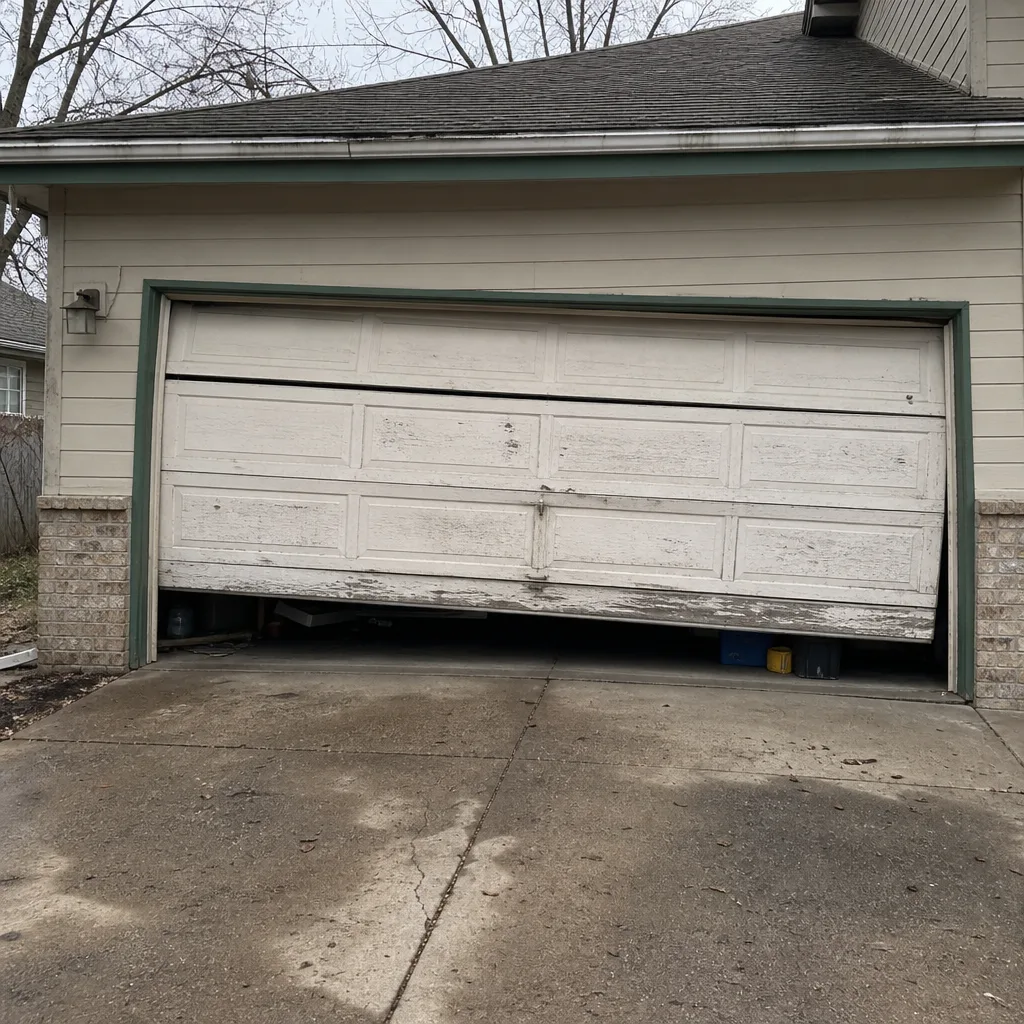 Before
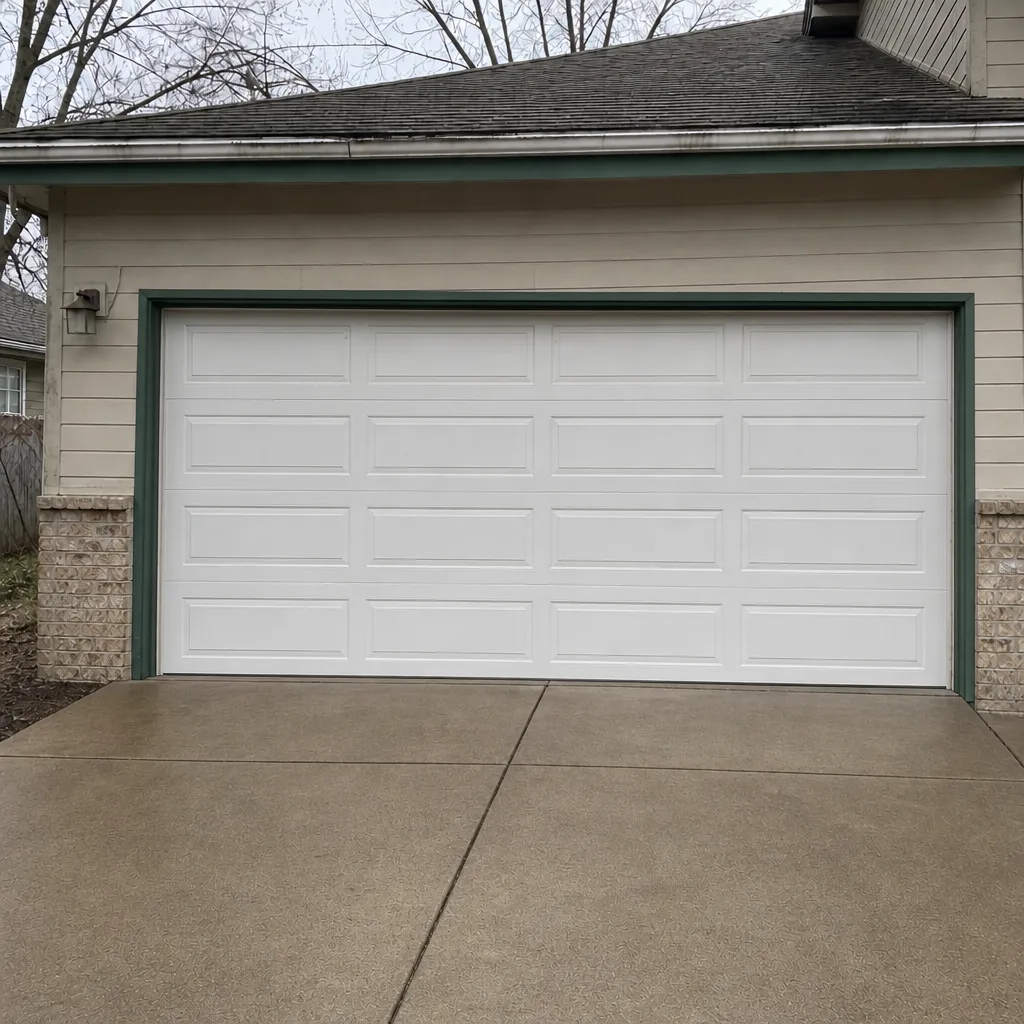 After
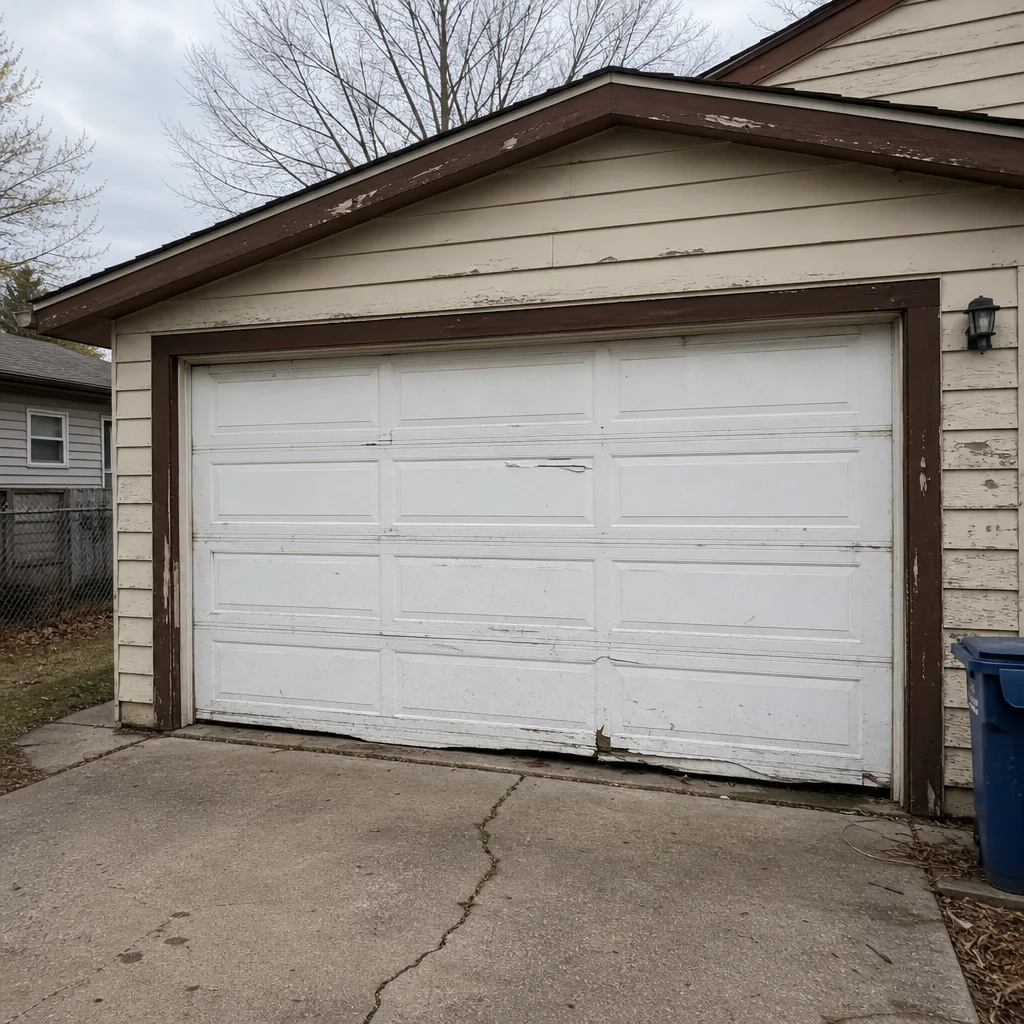 Before
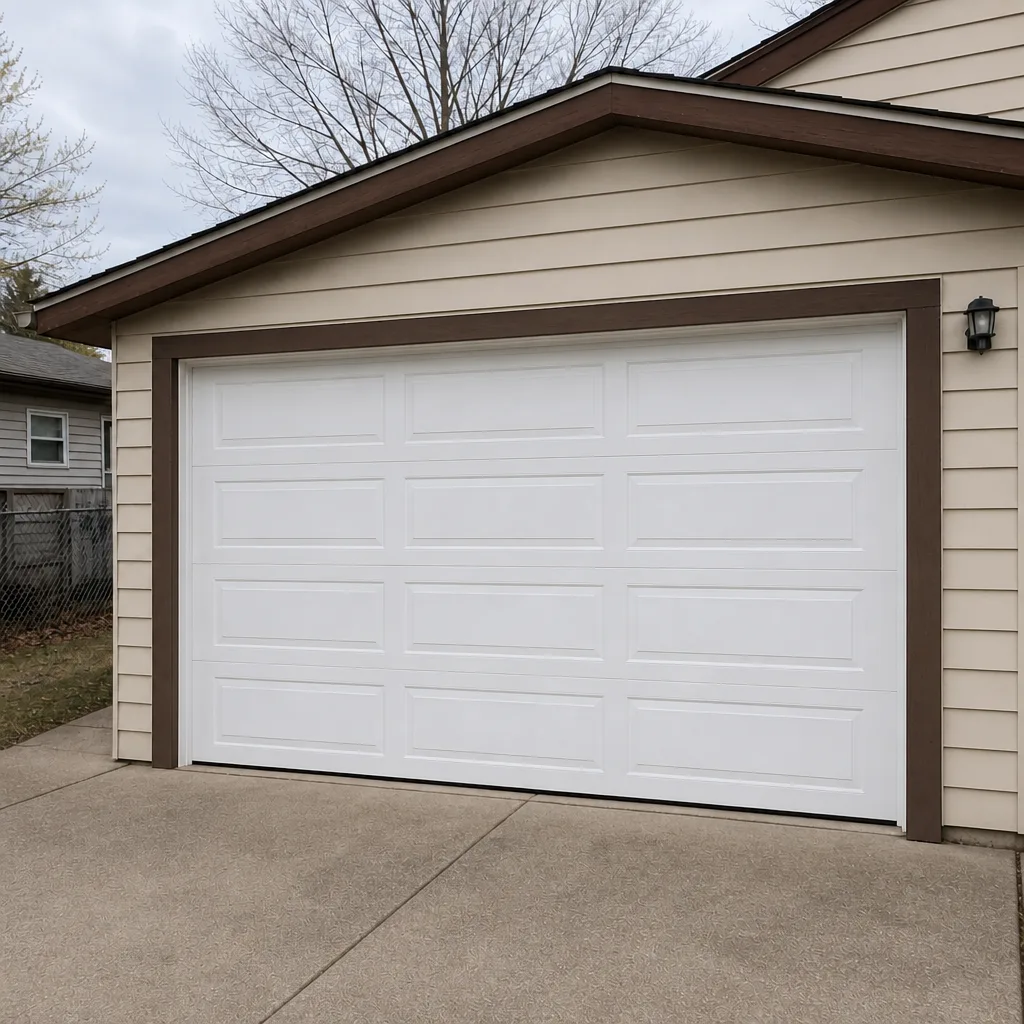 After
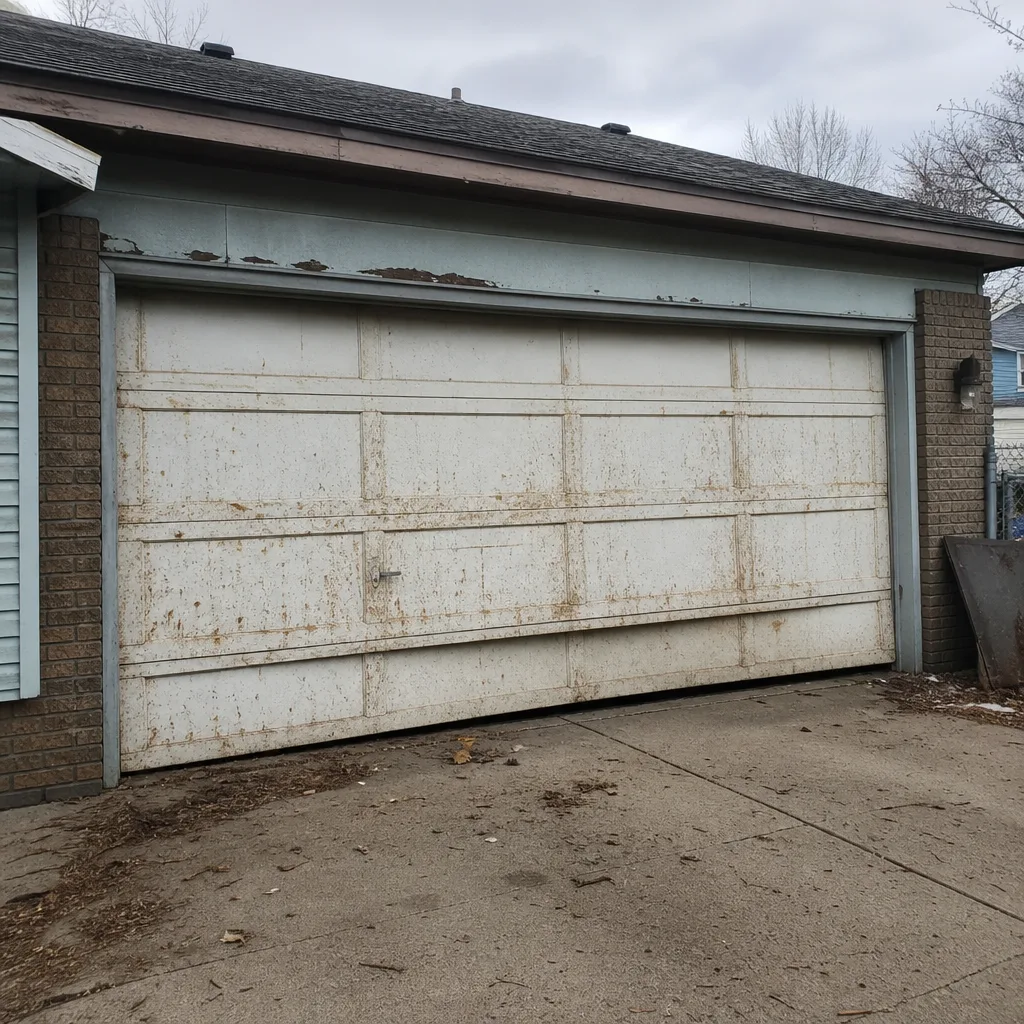 Before
 After
When to Call a Professional
Call a professional when the project involves a spring you can’t safely replace, an opener that’s failed and left the door stuck, a door that’s jumped the track and won’t close, or a full replacement where you want the installation done to code and inspected. Springs and cables are genuinely dangerous – they’re under high tension, and an injury from a failed spring is serious and avoidable. If the door is stuck open, we understand the urgency: the house isn’t secure and the car is trapped, and that’s exactly the call emergency garage door service is for. For anything involving the opening, framing or fire separation, get a professional involved and let the city’s building department confirm what’s required. Blaine Garage Door Repair Co offers free estimates in Blaine – call (855) 547-9108 and we’ll tell you plainly what the job needs.
Frequently Asked Questions
It depends on the scope. Repairing an existing door, opener or hardware generally doesn’t require a permit. A full door replacement, or any change to the opening or framing, can require a permit and inspection under the Minnesota State Building Code. Blaine’s building department makes the final call on your specific project, so ask before the work starts. Call (855) 547-9108 for a free estimate – we’ll help you sort out what the job involves.
No. Replacing a broken spring is a repair to existing hardware and doesn’t trigger a permit in Blaine. It is, however, the most dangerous job in the garage, because the spring is under high tension and a failed spring can cause serious injury. That’s the kind of work a trained professional should handle, and our garage door spring repair team does it as a routine part of the job. Call (855) 547-9108 for an exact quote – estimates are free.
A permitted garage door inspection checks that the installation matches the permit, that the door meets the wind-load and fire-separation standards for the opening, that the hardware is anchored to spec, that the door is balanced, and that the opener’s safety reversing feature works. It also confirms no required exit path has been blocked. If something fails, the inspector tells you what to fix and you schedule a re-inspection.
Yes. In most cases either the homeowner or the contractor can pull the permit, and both are common in Blaine. The right answer depends on how the contract is written. If the contractor pulls it, they’re on the hook for the inspection. If you pull it, you are. Either way, put it in writing before the work starts so nobody assumes the other party handled it. Call (855) 547-9108 if you want us to walk through the options.
It can. A buyer’s inspector may notice a newer door and ask for the permit and inspection documents, and if there are none, the deal can stall while you get it sorted. Minnesota sellers also have disclosure obligations about work done on the property, so unpermitted work is something to address before you list the house. A retroactive permit is often the fix, but it’s easier before closing than during it.
Yes. The Minnesota State Building Code assigns wind-load requirements to residential doors, and a new door installation has to meet the requirement for its size and location. That’s one reason a permit and inspection are worth having on a replacement – the inspector checks that the door and hardware are rated and installed for the load. Ask Blaine’s building department to confirm what applies to your home. Call (855) 547-9108 for a free estimate on the installation.
The Bottom Line
A garage door project in Blaine is either a repair or a replacement, and the permit question usually follows that line. Repairs – springs, openers, single panels, track work – generally don’t need a permit. Full replacements and structural changes often do, and the Minnesota State Building Code’s wind-load, fire-separation and egress provisions are what the inspector is checking against. The paperwork matters because it travels with the house: at resale, at an insurance claim, and at the next project. Whether you or your contractor pulls the permit is a contract detail, not a code question, and the right answer depends on how the job is set up. Call the city before you order the door, keep the final inspection card, and you’ll never have to explain an unpermitted garage door to a buyer’s attorney.
If you’re in Blaine and you’re not sure which side of the line your project falls on, call us. We’ll give you a free estimate, tell you plainly what the job involves, and pull the permit if it needs one – the written estimate sets the final price, agreed before any work starts. Call (855) 547-9108 for a free estimate on your Blaine garage door project today.
Written by the team at Blaine Garage Door Repair Co.