Last updated November 21, 2026
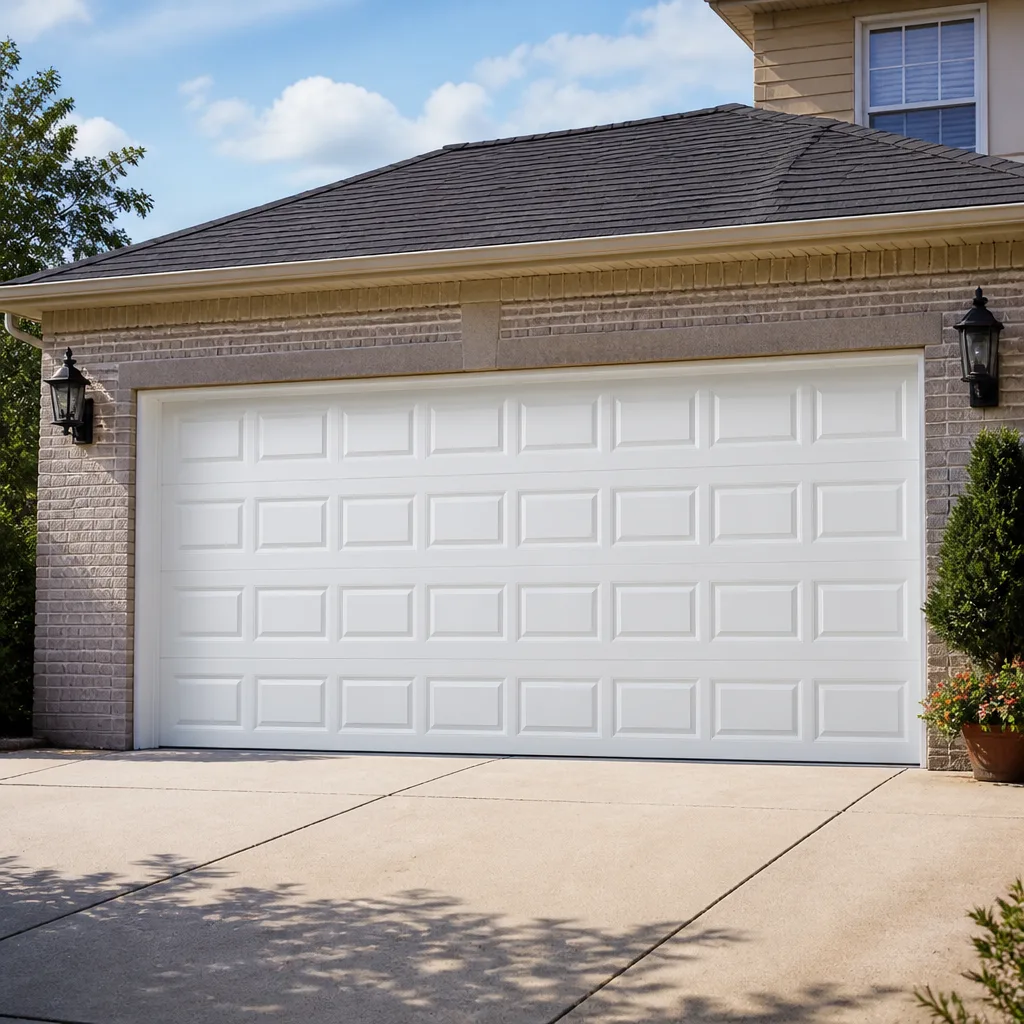 Raised-panel steel
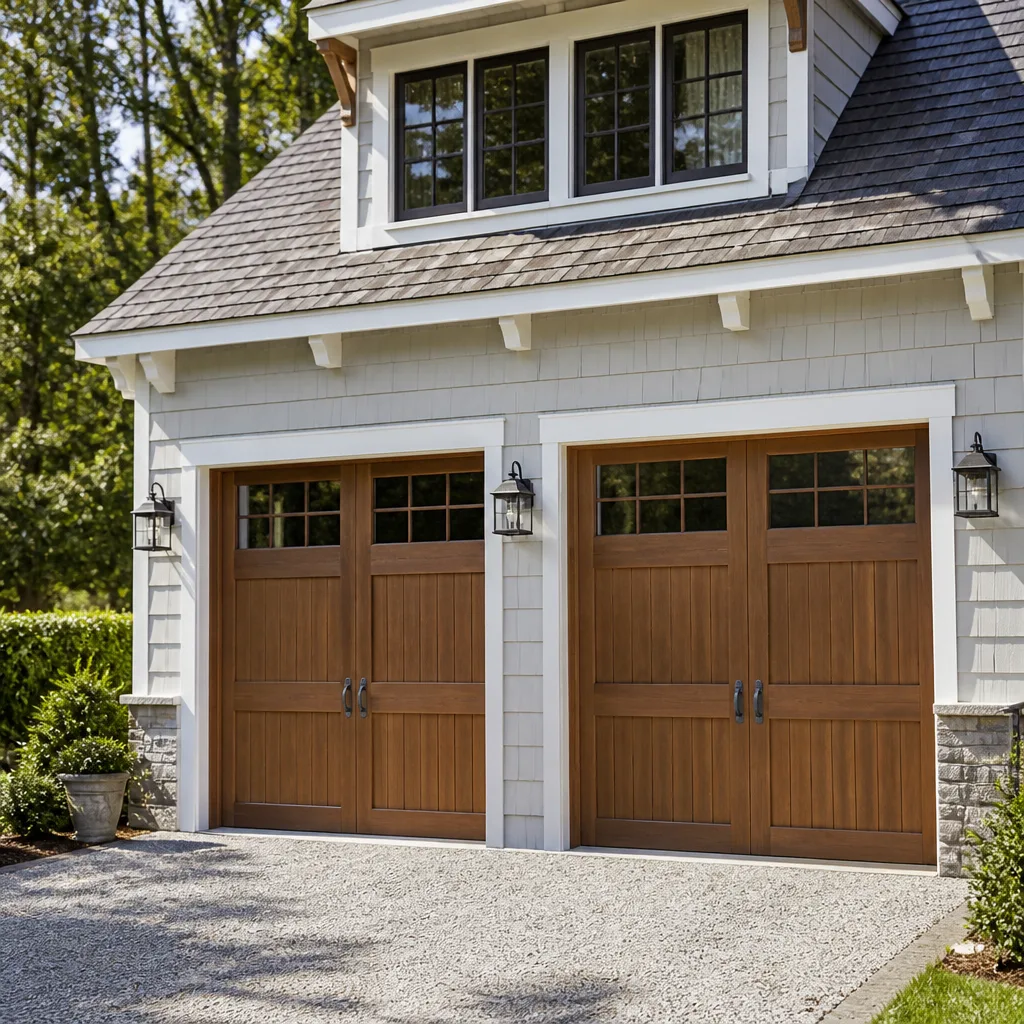 Carriage house
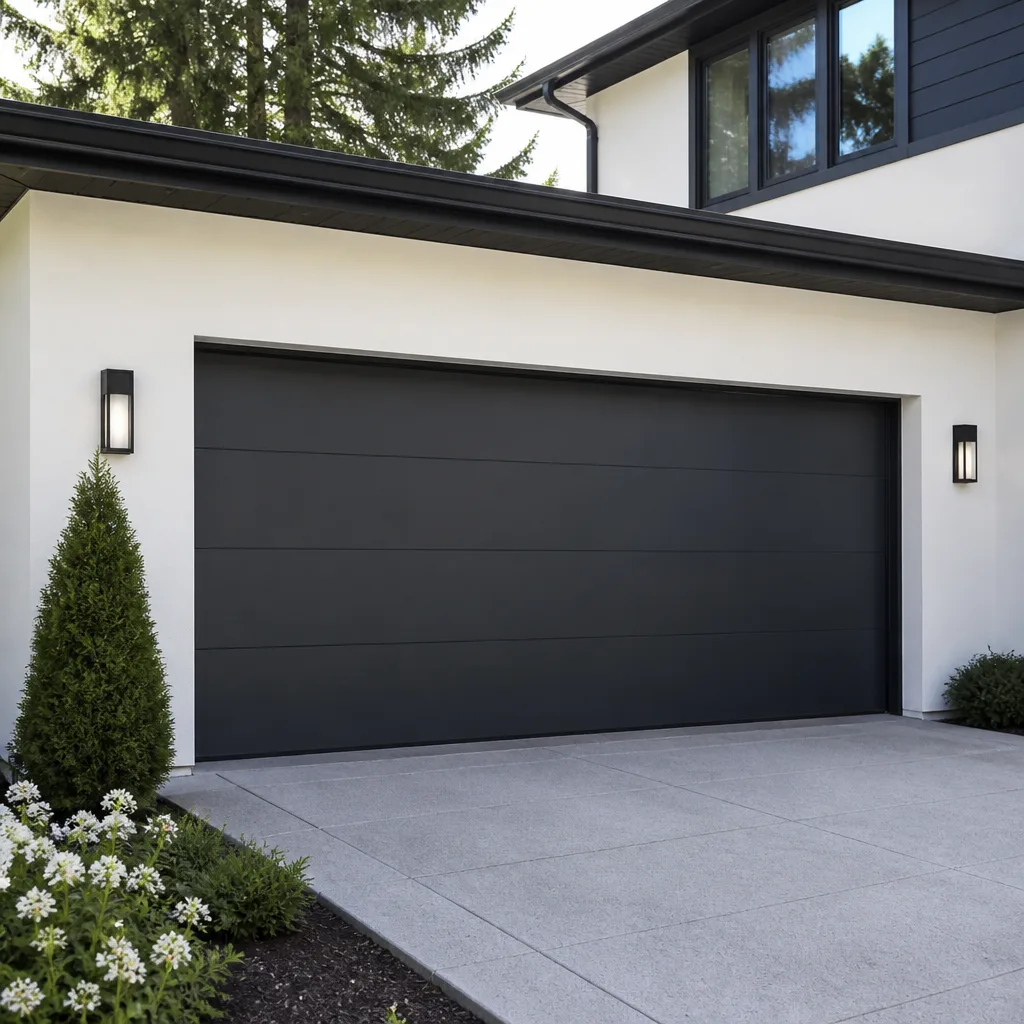 Modern flush
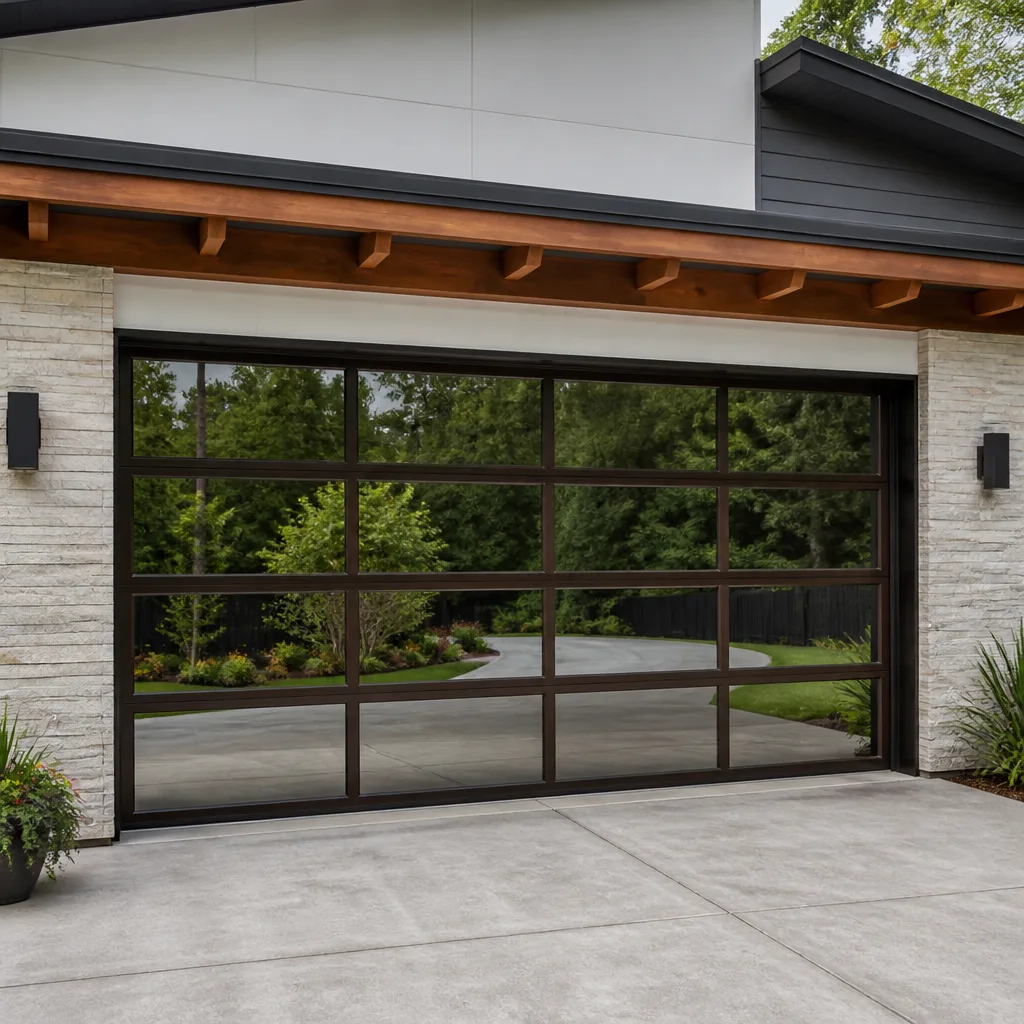 Full-view glass
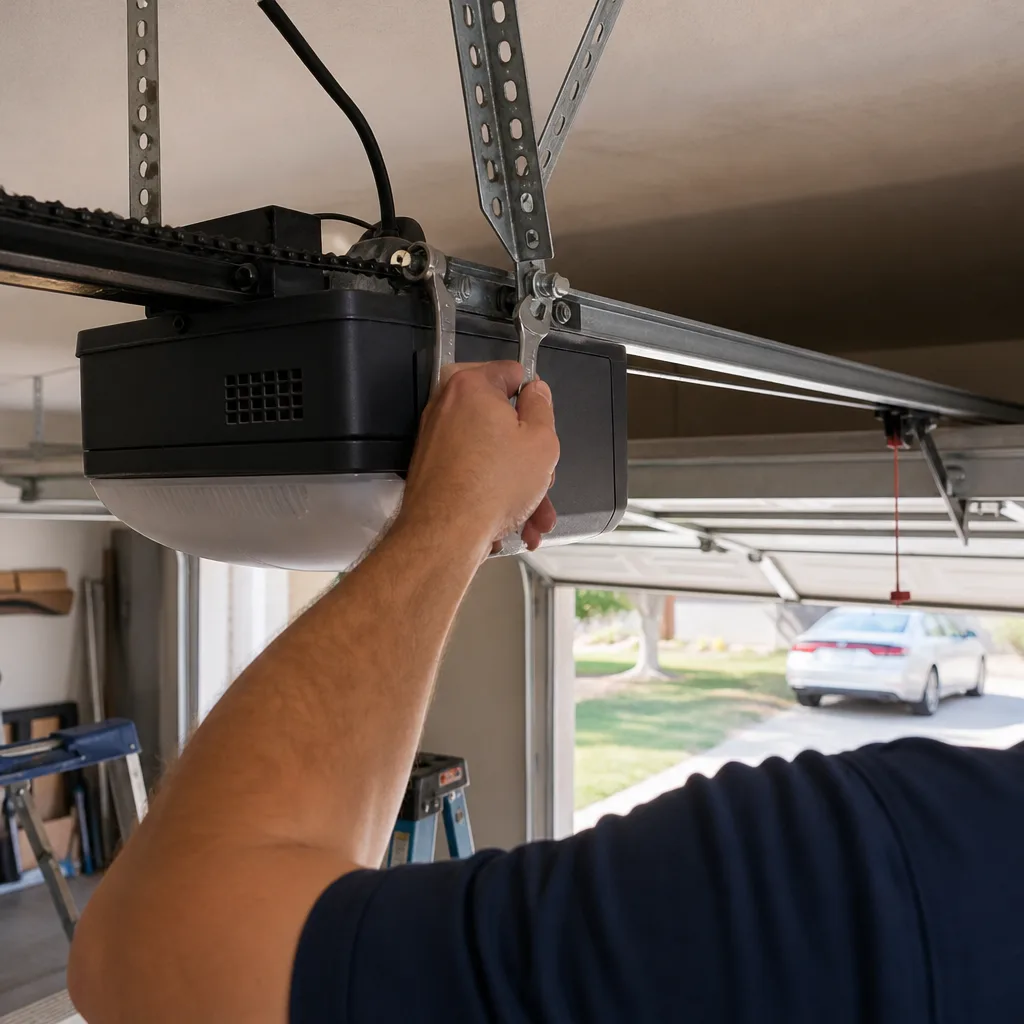
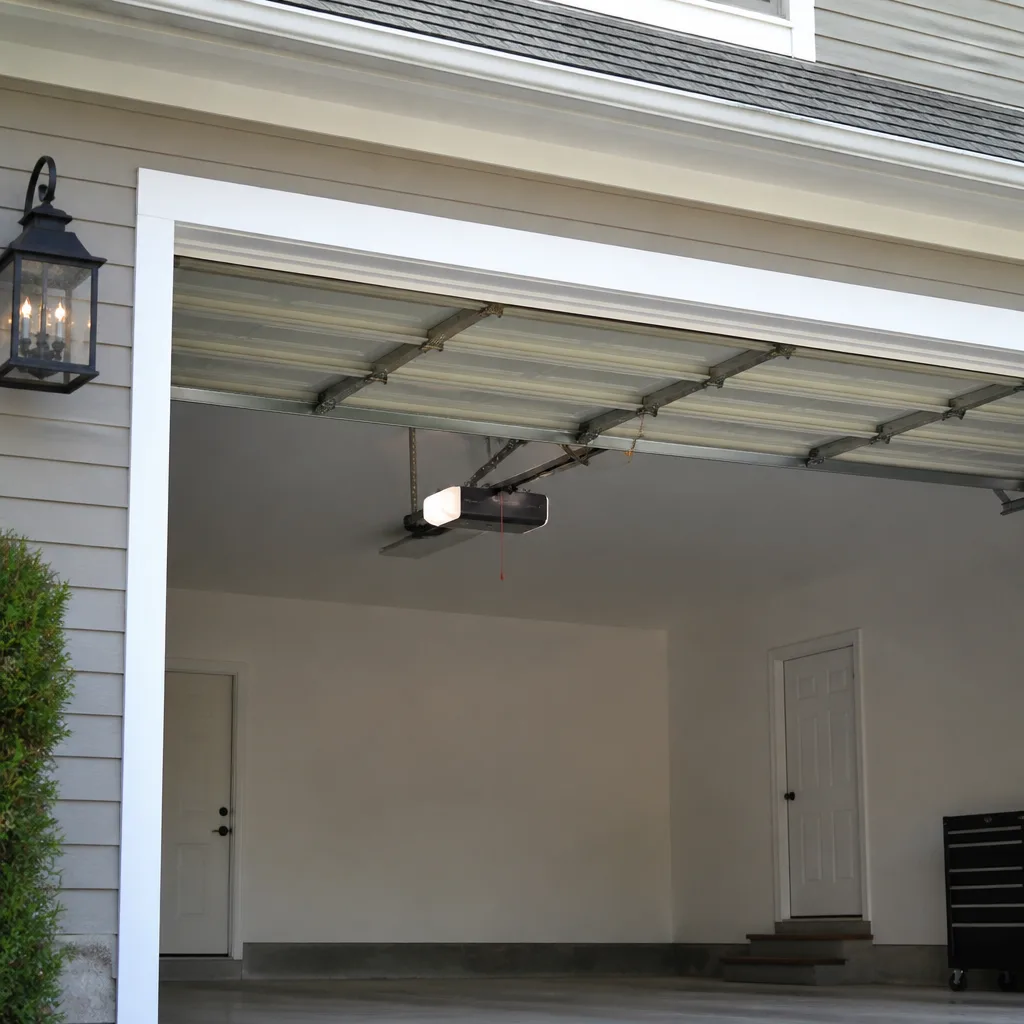 LiftMaster openers
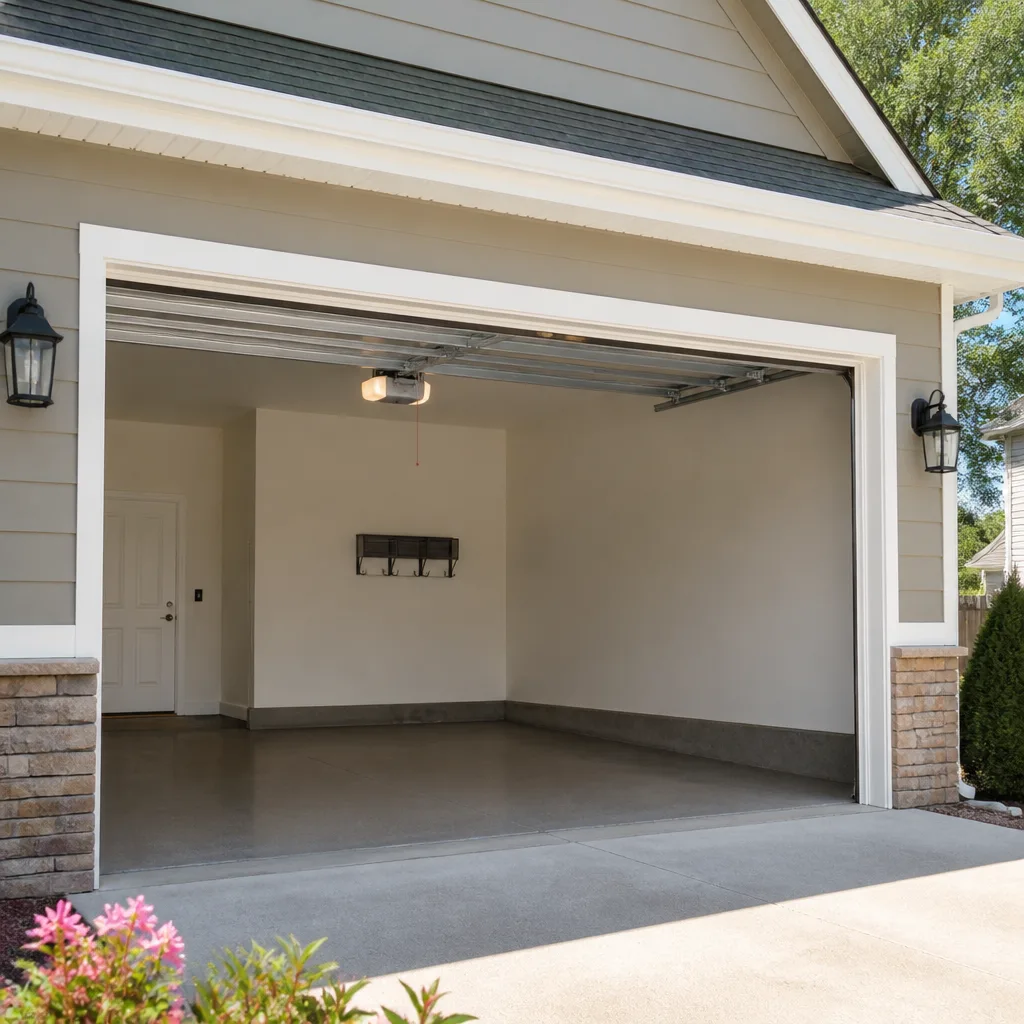 Chamberlain openers
Full 25-point door and opener safety check with every visit - springs, cables, rollers, tracks, and your LiftMaster or Chamberlain opener included
You get a price before we start. It does not change when the pro arrives.
Get your free estimateGarage Door Emergency Preparedness Guide for Blaine Homes
Most garage door failures don’t arrive as emergencies. They arrive as ordinary mornings that go wrong in seconds – a car trapped inside, a door hanging off its track, a house that won’t close up before the rain starts. The counterintuitive part is that the homeowners who handle these moments best aren’t the ones who know the most about garage doors. They’re the ones who decided, on a calm afternoon, what they’d do if the door quit. This guide covers that decision for Blaine homes: how to release a door by hand, how to secure one that won’t shut, when a problem is truly urgent, and how to vet an after-hours provider without getting taken. Ten minutes of reading now can turn a panic into a plan.
Quick Answer
A garage door emergency plan for a Blaine home comes down to four things: knowing where your manual release cord is and how to use it without damaging the door, keeping a way to secure an open door until help arrives, knowing which failures are true emergencies versus which can wait until morning, and having one vetted after-hours contact saved in your phone. The single most useful step is practicing the manual release once, before you need it. Most door emergencies turn dangerous or expensive because nobody has ever pulled that cord and doesn’t know what it does.
Styles & brands we work with
- Raised-panel steel
- Carriage house
- Modern flush
- Full-view glass
- LiftMaster openers
- Chamberlain openers
Table of Contents
- Why Blaine Doors Fail the Way They Do
- How to Use a Manual Release Without Damaging the Door
- How to Secure a Door That Won’t Close
- Power Outage Protocol for Minnesota Winters
- What Counts as a True Garage Door Emergency
- How to Vet an After-Hours Provider Fast
- Prevention: The Checks That Actually Matter
Why Blaine Doors Fail the Way They Do
Blaine sits right where the Twin Cities metro turns into hard winter country, and garage doors here take a beating that doors in milder places never see. The same freeze-thaw cycle that cracks driveways works on garage doors. Metal panels contract overnight and expand by afternoon. Lubricant thickens in the cold. And the springs that carry the door’s weight are cycling through temperature swings for months on end, which is exactly the wear pattern that snaps a spring on the coldest morning of the year.
Add the housing stock. Plenty of Blaine neighborhoods run on doors and openers that are old enough to be on their second or third opener but still riding the original springs. A door system is only as reliable as its weakest cycle point. A modern LiftMaster or Chamberlain opener doing its job perfectly will still fail to lift a door with a tired spring behind it.
What we see on garage door repair calls around Blaine follows a pattern tied to the seasons:
- Late fall and early winter: doors that stick or reverse partway up as lubricant stiffens and rollers drag.
- Deep cold snaps: snapped torsion springs, the classic mid-winter failure, often the morning after the first hard freeze.
- Spring thaw: doors that suddenly jump the track as the slab shifts and the door’s alignment changes with it.
- Storm season: wind-driven rain and debris, openers that trip their safety sensors, and power interruptions that leave a door stuck mid-travel.
None of that is a reason to worry. It’s a reason to plan, and the plan is the same whether your door is a Genie, a Raynor, or something older. The failure modes are predictable, so the responses can be too. If you’re already hearing a groan, a bang, or an uneven lift, that’s the moment to schedule a normal garage door repair visit rather than wait for it to become an emergency. If your opener is the part acting up, garage door opener repair covers the motor, the sensors, and the logic board together.
How to Use a Manual Release Without Damaging the Door
The manual release is the cord hanging from the opener rail, usually with a red handle. It disconnects the door from the opener motor so you can move the door by hand. Almost every opener made by LiftMaster, Chamberlain, Genie, or Raynor uses this same basic arrangement, so the steps below apply to nearly any residential system you’ll find in Blaine.
Here’s the order that matters, and the mistake that damages doors:
- Close the door fully first. This is the critical step. You pull the release when the door is down and at rest, not while it’s mid-travel and suspended under spring tension.
- Make sure nobody is under the door. A door released while open can come down fast. Ask everyone to clear the opening.
- Pull the cord straight down and slightly toward the door. You’ll feel it disengage.
- Lift the door slowly by hand. It should feel heavy but manageable. If it feels like it’s fighting you or won’t stay up, stop and don’t force it.
- Re-engage the release by pulling the cord again while the door is closed, or by running the opener one cycle with the door in the fully closed position. The carriage should re-latch to the trolley.
The mistake that causes damage: pulling the release while the door is open or partway up. When a door is open, the springs are near their lowest tension and the door has little to hold it. Release it in that state and the door can drop, or the carriage can jam and strip the opener’s drive. We’ve repaired plenty of openers that failed because the release was pulled at the wrong moment. The cord is a safety feature, but it has a right time and a wrong time.
Second mistake: yanking the cord hard and repeatedly if it doesn’t release on the first pull. That usually means the door is under load, so close it first and try again. If it still won’t disengage, stop. Forcing it can bend the carriage arm and turn a simple release into a service call.
What if the door has no manual release?
Some older units, especially jackshaft-style openers mounted on the side of the door, don’t have a hanging cord. Those use a different release lever or, in some cases, an external manual disconnect. If you can’t locate yours, don’t guess. A broken release mechanism is a real risk, and a technician can show you the correct procedure in a few minutes. Our technicians have up to 14 years of experience on every major brand, so a quick walkthrough is straightforward.
How to Secure a Door That Won’t Close
A door stuck open leaves your garage and everything in it exposed. You don’t need a toolbox to improve that situation. The goal isn’t to fix the door; it’s to make it hard to walk through until a professional can get it closed properly.
- Lower the door manually as far as it will go. Even a door that won’t close fully leaves less of a gap than one that’s up.
- Block the opening from the inside. A car parked up against the door, or a heavy piece of furniture, won’t stop someone determined, but it buys time.
- Brace the door panel. A broom handle or a piece of lumber wedged under the bottom edge, from the inside floor up to the panel, holds a sagging door in place.
- Add a temporary exterior barrier if the opening faces the street. A tarp hung across the opening and tied off looks secured from a distance, which is often enough.
- Move valuables out of the garage if the door can’t be brought down at all and you’re leaving the house.
One thing not to do: throw a deadbolt or an improvised bar across the outside of the door. If a technician arrives and can’t get in to work on it, you’ve created a second problem. And never try to force a door that’s off its track back into the track by hand. That’s the scenario where a panel or a spring can give way and hurt someone. A door off track is a job for a professional, and it’s a genuine emergency if there’s a car trapped inside.
Power Outage Protocol for Minnesota Winters
A power outage in a Blaine winter is an inconvenience until it hits your garage door, and then it’s a trap if you haven’t planned for it. The good news is that nearly every modern residential opener can be opened by hand. The catch is that in the cold, manual operation feels heavier than you expect, and that’s where doors get damaged.
Here’s the protocol we’d suggest practicing once a season:
- Know your release location before the power goes out. Walk out to the opener, find the release cord, and confirm it moves freely.
- Pull the release with the door fully closed, exactly as described above, never mid-travel.
- Lift slowly in cold weather. Metal and lubricant stiffen. Give the door time to move; don’t jerk it.
- Keep a battery-powered light near the door so you’re not hunting for the release in the dark.
Do battery backup openers actually help here?
Battery backup openers exist and they do exactly what the name says: they keep the motor running for a limited number of cycles during an outage. In a Minnesota winter, that limited number matters. Cold shortens battery performance, so a backup that runs a door a dozen times in a mild climate does fewer in a January cold snap. That’s still useful for getting a car out and back in during a short outage. Just don’t treat it as a substitute for knowing the manual release. A battery backup buys you time; the release cord is what actually gets you out the door when the battery itself is cold and tired.
A practical word on manual operation in cold
If a door feels unusually heavy by hand in deep cold, don’t fight it. That could be a spring that’s losing its tension, and using a door with a tired spring by hand adds strain to the opener and the rollers. A free estimate now is cheaper than a broken spring or a stripped drive gear later. That’s what garage door spring repair is for.
What Counts as a True Garage Door Emergency
Not every garage door problem is an emergency. Some are just annoying, and waiting until morning is the smarter, cheaper move. Here’s how to sort them quickly:
True emergency – call for help now
- A broken spring with a car trapped inside. The door can’t be lifted safely by hand, and the car isn’t coming out any other way.
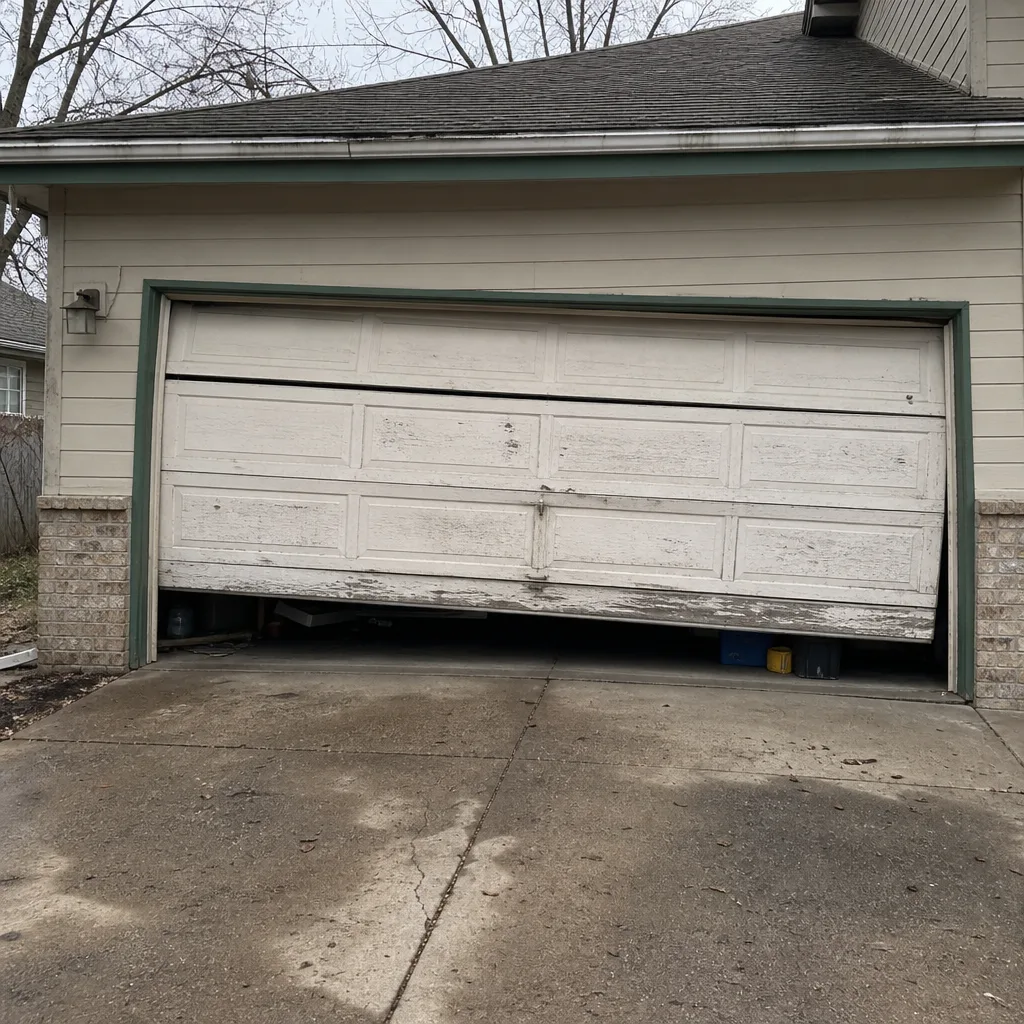
- The door is off its track, crooked, or hanging. That’s a safety hazard, not a repair task. Keep people clear of the opening.
- The door won’t close and the house is unsecured. Anyone can walk into the garage and from there into a connected house. If you can’t bring it down, you need it addressed.
- A door that won’t stay up, or drops on its own. That’s a spring or cable problem with real injury potential.
- Someone is trapped under or behind a jammed door. That’s an immediate safety call, not a door call.
Can wait until morning
- The door works but the opener makes a noise, runs slow, or reverses for no clear reason.
- The remote doesn’t work but the wall button does, or vice versa.
- The safety sensors trip and the door reverses when something crosses the beam.
- The door is stiff or slow to move but still fully closes and secures.
The distinction matters because an after-hours call costs more than a normal visit, and a technician can’t always get parts for every brand at night. A Genie sensor acting up at 9pm is a morning appointment. A snapped spring with your car behind it is a call right now.
How to Vet an After-Hours Provider Fast
You want a provider you can reach and whose work you can trust, without a five-minute phone research project while your car is trapped. The fast way is to have one vetted contact saved before you need it. If you don’t, here’s what to ask on the call, in order:
- “Can you get here tonight, and what’s the after-hours call range?” A legitimate provider will give you a range or a clear explanation of how the price is built, even on the phone.
- “Do you work on my brand?” Ask directly. A provider who covers LiftMaster, Chamberlain, Genie, Clopay, Amarr, Wayne Dalton, Craftsman, and Raynor will say so. One who hesitates on your brand is telling you something.
- “Is there a written quote before work starts?” The price should be agreed and written before anything is touched. This is the single best protection against an invoice that doesn’t match the quote.
- “Are you licensed and insured as your state requires?” The answer should be yes and unhedged.
- “What’s the typical emergency call range in Blaine?” If the number is wildly low, ask why. If it’s wildly high, walk away.
What a legitimate emergency call looks like in price
An after-hours garage door call in Blaine is built from a service call fee plus the actual repair, and both are higher outside normal hours because of the time and travel involved. A provider who quotes a suspiciously low number over the phone, then finds “something else” once they arrive, is the classic scam pattern. The opposite – an eye-watering flat fee before anyone has seen the door – is also a warning. The right answer is a clear range, confirmed in writing, with the final price set by a written estimate before work starts. Our own pricing works that way, and any provider worth calling will match it.
What true 24/7 looks like vs. what to expect
Be wary of anyone who promises instant arrival, no conditions. Availability varies by provider and by night. What you can reasonably expect is that someone answers, tells you honestly whether they can come, and if not, points you to the next available time. Don’t accept a blanket “we’re always available” without asking how the price changes after hours. An honest answer will include a number or a clear range.
If you want to skip the vetting next time, save our number now. We’re Blaine Garage Door Repair Co, and we’re reachable when a door fails.
Prevention: The Checks That Actually Matter
Preparedness is mostly prevention with a little practice mixed in. These are the checks worth doing on a Blaine door through the year. You don’t need tools, and you don’t need to fix anything yourself. You only need to notice and route it to a professional.
- Once a month: open and close the door and listen. An even hum is fine. A grinding, scraping, or banging noise means something is binding, and binding becomes breaking.
- Once a month: look at the springs. A torsion spring that’s lost tension looks stretched or has a visible gap. Don’t touch it. Just call. Springs are the one part a homeowner should never adjust.
- Twice a year: wipe and lubricate the rollers and hinges with a garage-door lubricant. In cold, this is the difference between a smooth lift and a strained opener.
- Each fall: test the safety reverse. Put a block of wood where the door meets the floor. The door should reverse when it hits it. If it doesn’t, the door needs service before winter.
- Each fall: check the release cord. Pull it, feel it move, re-engage it. Practice the manual operation once so it’s muscle memory when it’s 5 below.
- Before storm season: clear the tracks. Leaves, ice, and grit in the track are the top cause of off-track doors in Blaine.
A one-time tune-up goes a long way. A trained technician can catch a tired spring, a worn roller, or a failing opener long before it quits, which is the whole point of emergency preparedness. For a full system check, call us at (855) 547-9108 for a free estimate. And if the door itself has a damaged panel or you’re considering a replacement, garage door installation is handled the same way – measured, quoted, and scheduled, not same-day.
Common Mistakes to Avoid
- Pulling the manual release while the door is open. This is the mistake that causes the most damage. Release only when the door is fully closed and at rest.
- Trying to lift a door with a broken spring by hand. A door with a broken spring can be far heavier than expected, and forcing it can damage the panels and the track. Leave it.
- Using a door with a failing spring “just until payday.” Every cycle on a tired spring strains the opener and the rollers. The small repair becomes the big one.
- Ignoring a safety-sensor trip in winter. Sensors and the alignments around them take the most punishment from Blaine cold and road grit. A door that reverses unexpectedly is telling you something.
- Assuming a “24/7” provider is the same quality as a normal one. Ask the vetting questions, even at 10pm. A vague answer on price or brand is a red flag.
- Bracing an open door with tape or a chair and calling it secured. If the door won’t close, the opening needs a real barrier, not a symbol of one.
- Relying on a battery backup without ever practicing the manual release. The battery is a helpful ally, not a plan.
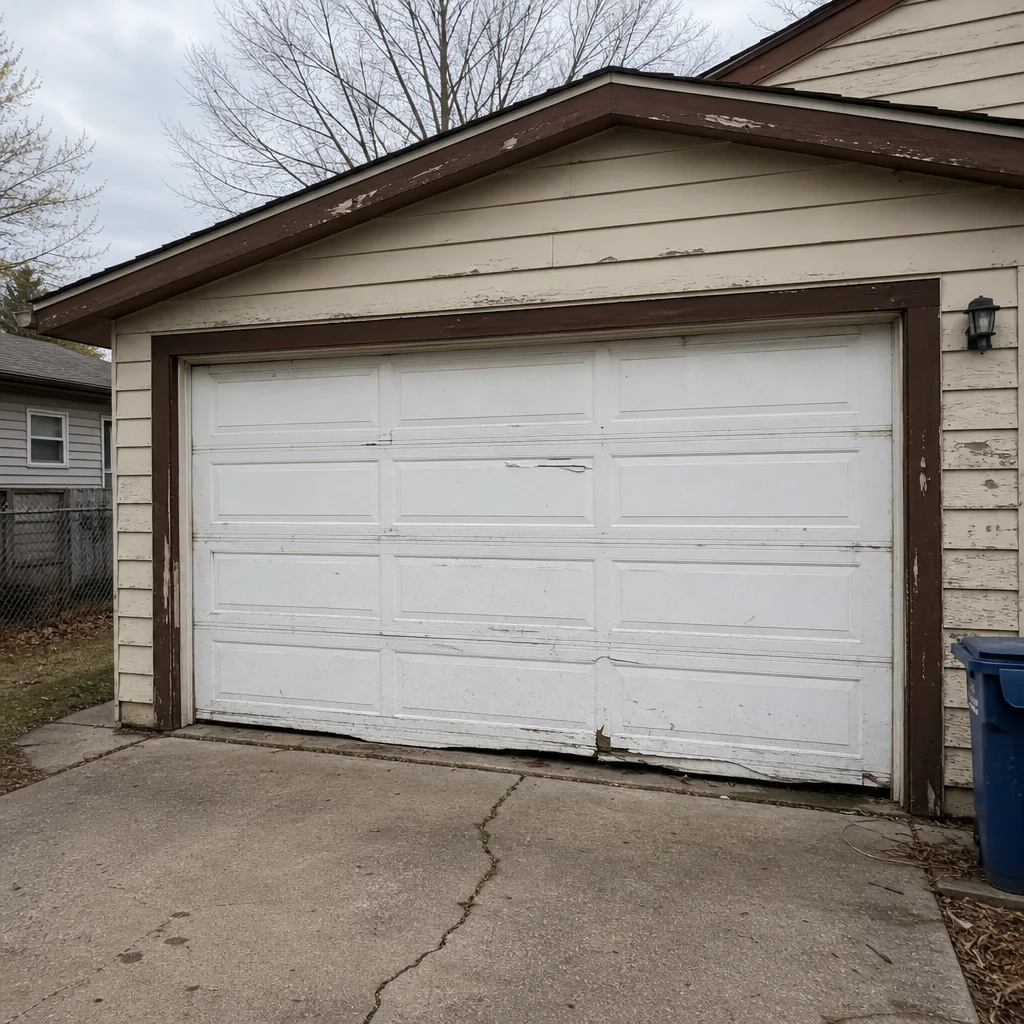
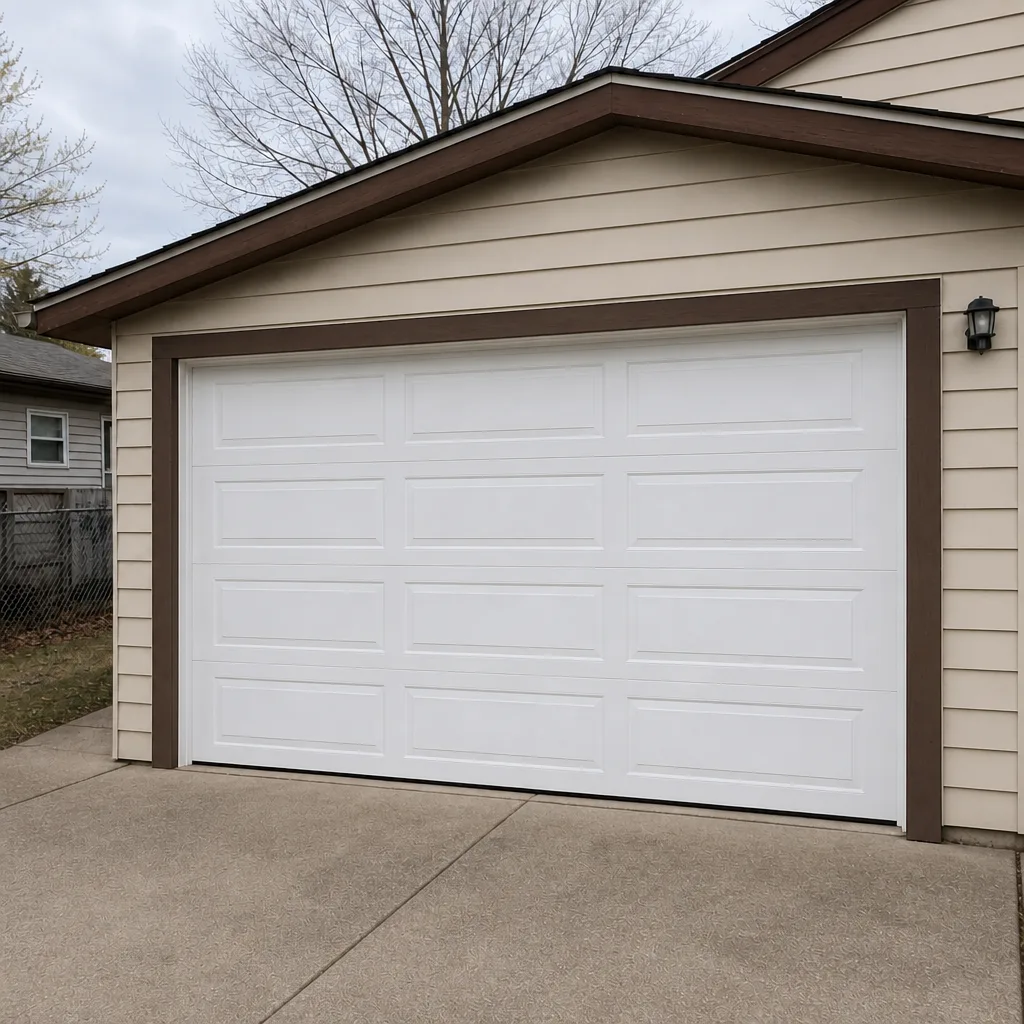
See the difference
 Before
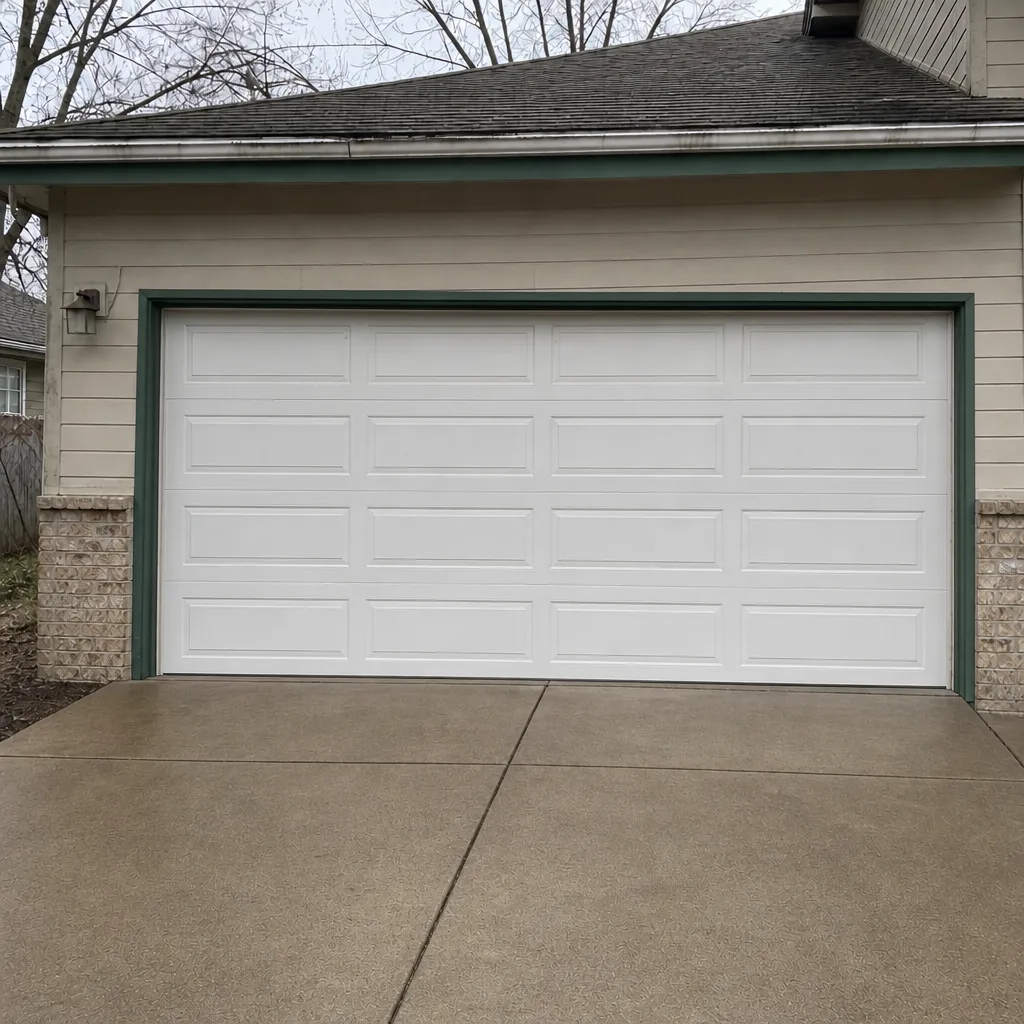 After
 Before
 After
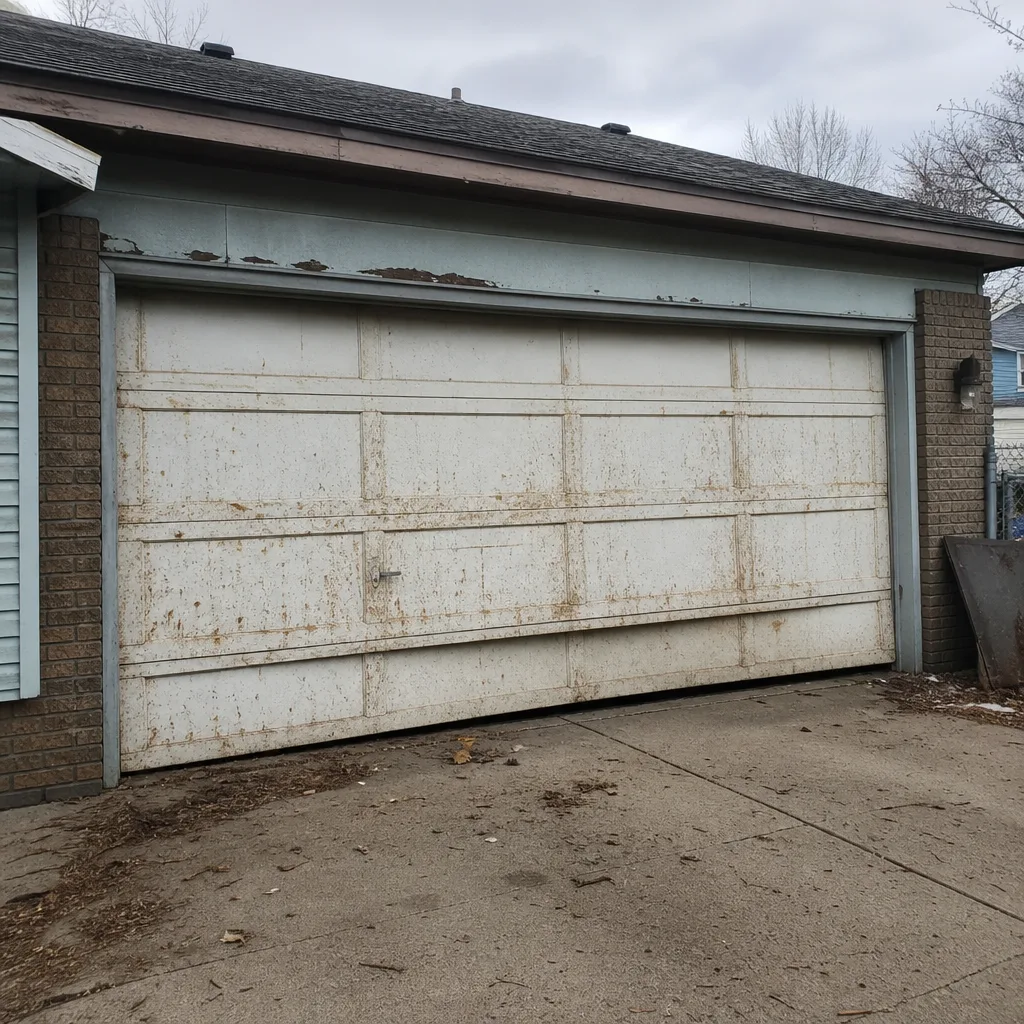 Before
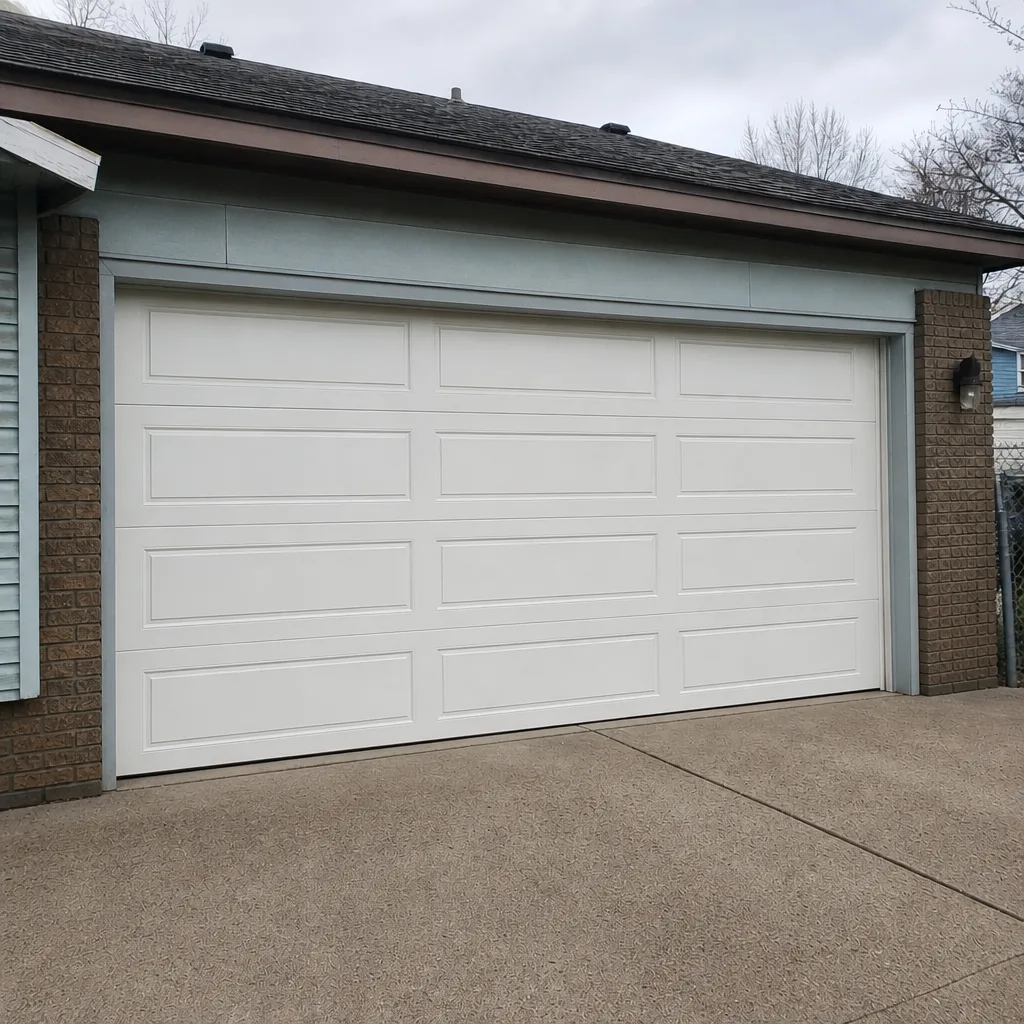 After
When to Call a Professional
Call a professional for anything involving the springs, the cables, a door that’s off its track, an opener that won’t run, or a door that won’t close. Those are the failures where a homeowner can get hurt and where a small problem quickly becomes a large one. Broken springs and cables are under tension you can’t safely manage, and a door off its track is a hazard from the moment it happens. If you’re not sure, call anyway; diagnosing is what we do. Blaine Garage Door Repair Co offers free estimates in Blaine – call (855) 547-9108. We work on every major brand and the whole system: springs, openers, panels, and full doors.
Frequently Asked Questions
Pull the manual release cord hanging from the opener, but first make sure the door is fully closed and at rest. Never pull the release while the door is open or partway up, because the door can drop or the carriage can jam. Once released, lift the door slowly by hand. In cold weather, it will feel heavier than you expect. If it won’t move easily, stop and call for help rather than force it. Call (855) 547-9108 if you’re unsure how your opener releases; estimates are free.
A broken spring with a car trapped inside, a door that’s off its track, and a door that won’t close and leaves the home unsecured are the three true emergencies. Those involve safety or security and shouldn’t wait. A noisy opener, a remote that won’t work, or a door that closes fine but runs slow can wait until morning. When in doubt, call. Estimates are free, and we can tell you honestly whether it’s urgent.
An emergency call costs more than a normal visit because of after-hours time and travel, and it’s built from a service call fee plus the repair itself. The exact range depends on the door and the failure. What you should insist on is a written price agreed before any work starts. A provider who won’t give a range on the phone or who quotes a suspiciously low number and then adds “found problems” is a warning sign. Call (855) 547-9108 for an exact quote; estimates are free.
It’ll work, but for fewer cycles than in mild weather, because cold reduces battery performance. A battery backup is worth having, and it helps during a short outage, but it isn’t a substitute for knowing your manual release. Practice the release once before winter so you’re not learning it in the dark.
We service equipment from all the major brands, including LiftMaster, Chamberlain, Genie, Clopay, Amarr, Wayne Dalton, Craftsman, and Raynor. That covers the openers and doors on nearly every home in Blaine, current and older. You don’t need to track down a brand-specific specialist. Our technicians have up to 14 years of experience on every major brand, and we handle springs, openers, panels, and full doors.
Keep everyone clear of the opening and don’t try to force the door back onto the track yourself. A door that’s off its track is unstable, and a panel or a spring can give way suddenly. Move your car out if it’s safe to do so, secure the house the best you can, and call for help. We handle emergency service for doors that are stuck, off track, or won’t secure. Call (855) 547-9108; estimates are free.
The Bottom Line
Garage door emergencies are predictable, which means they’re mostly preventable. Know where your manual release is and practice using it once with the door fully closed. Keep a simple way to secure an open door until help arrives. Learn to tell a true emergency – a broken spring with a car inside, a door off track, a door that won’t close – from a problem that can wait until morning. And save one vetted provider before you need one, with brand coverage, a clear price, and a written quote. Do those four things and a Blaine winter can’t catch you without a plan. The door can still break. It just won’t catch you off guard.
Ready to build the plan, or need it done for you? Call Blaine Garage Door Repair Co at (855) 547-9108 for a free estimate. We handle springs, openers, panels, and full doors, and we work on your brand. Emergency? We’re available.
Written by the team at Blaine Garage Door Repair Co.